

Far from Spain’s larger cities and busier coastal towns, Zahara de los Atunes moves at its own unhurried pace. Here, life follows the seasons, the sea, and the sun, shaped by a fishing heritage passed down through generations.
From May to September, Zahara comes alive, becoming a meeting point of people and flavors. For the rest of the year, the town returns to a quieter rhythm, with nearly private beaches and noticeably quieter restaurants and shops. It’s this contrast that gives Zahara its distinctive character.
What follows is a glimpse into the Zahara that locals know. Its traditions, its flavors, its coastline, and the everyday moments that give this village its soul:
1. Almadraba: Zahara’s Defining Tradition2. The Flavors3. The Town4. The Beaches5. Adventures and Nearby Destinations6. The Spirit of Zahara
Almadraba: Zahara’s Defining Tradition
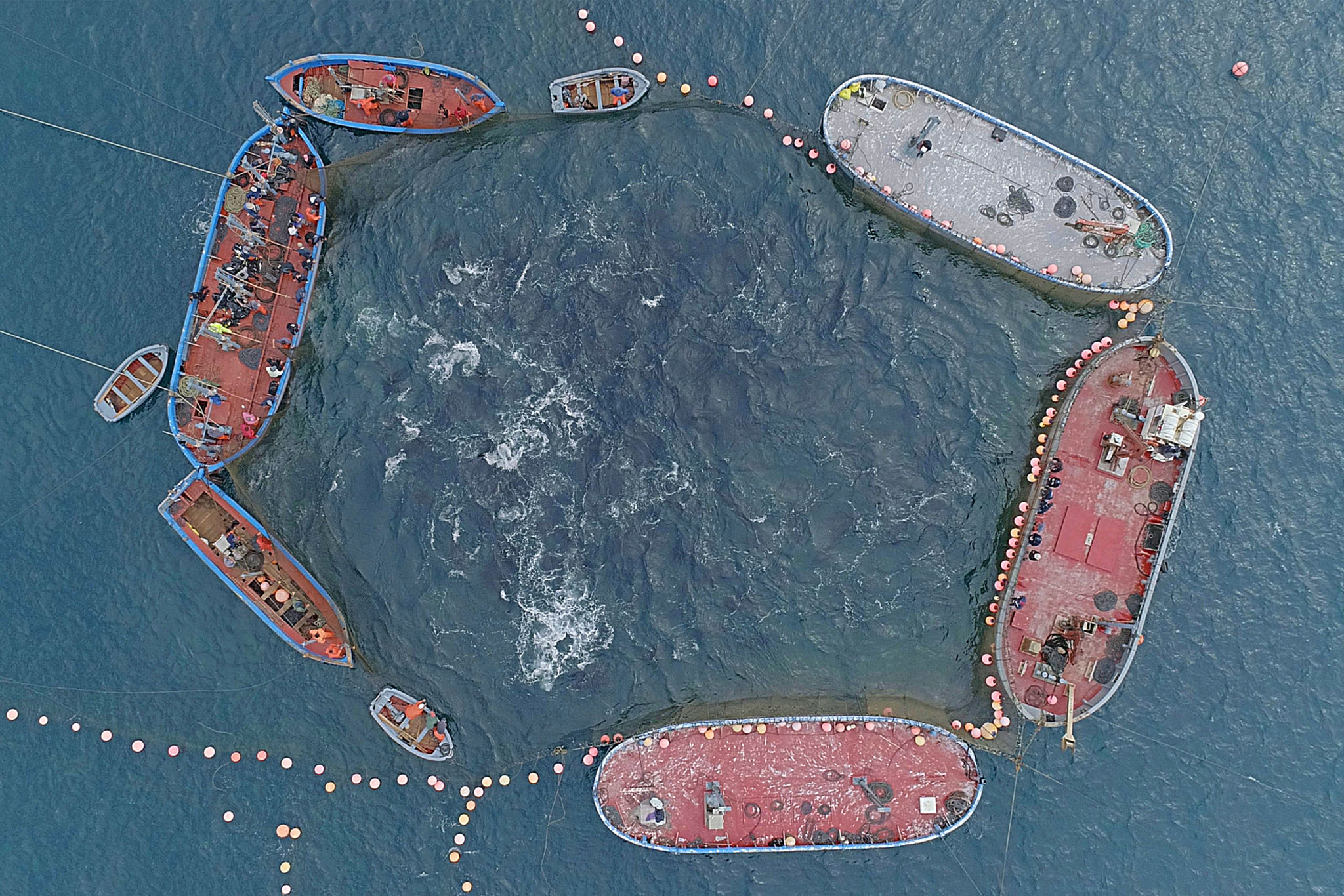
In Zahara, the almadraba is more than a fishing method. It’s a centuries-old practice that remains central to the town’s identity.
First used by Phoenician and Roman fishermen to capture wild bluefin tuna in these waters, this precise technique has been passed down through generations and is still practiced today. Using a carefully arranged system of nets, fishermen guide the tuna into a final chamber where the catch is taken carefully. Selective by design, the almadraba targets only mature tuna and captures almost nothing unintentionally, making it one of the most sustainable fishing methods still in use today.
Spring is the defining moment, when bluefin tuna pass by Zahara as they cross the Strait of Gibraltar on their way to Mediterranean spawning grounds. This moment marks the start of the fishing season and is celebrated locally with the Ruta del Atún, held each May. During this culinary festival, local restaurants create inventive tapas centered around tuna.
The Flavors
In Zahara, what you eat reflects both the sea and the surrounding countryside.
Tuna remains central to the village, prepared simply and always fresh, but it’s only part of the story. The approach is simple: focus on good ingredients and prepare them well. Lightly dressed garden tomatoes at their peak, clams with garlic and parsley, and Retinto steak from the surrounding countryside come together in meals that feel effortless. In Zahara, eating well is simply part of daily life.
A few places that reflect this approach to cooking:
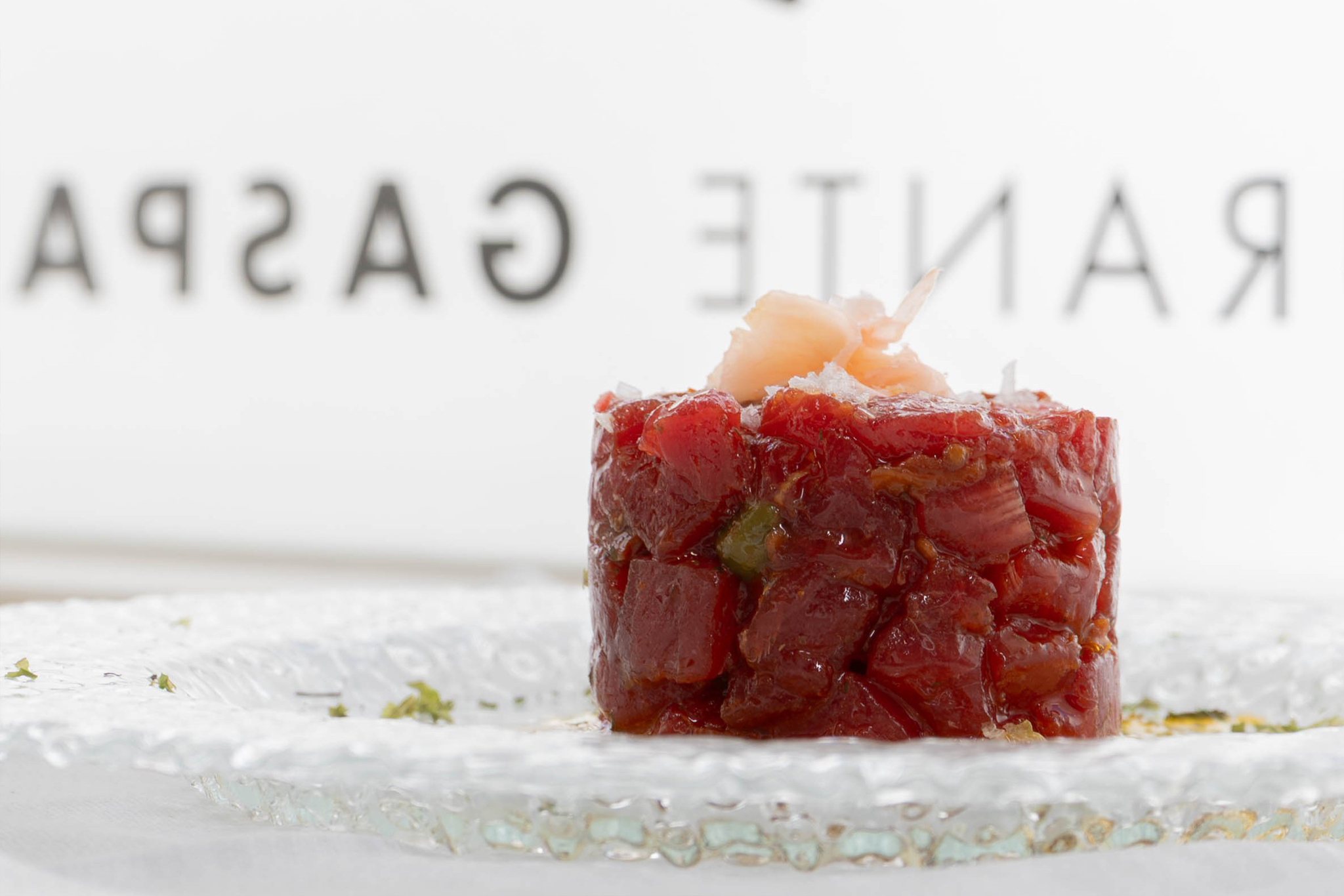
Antonio is one of the village’s most established restaurants, known for showcasing almadraba tuna in a range of preparations, from tartare to traditional encebollado.
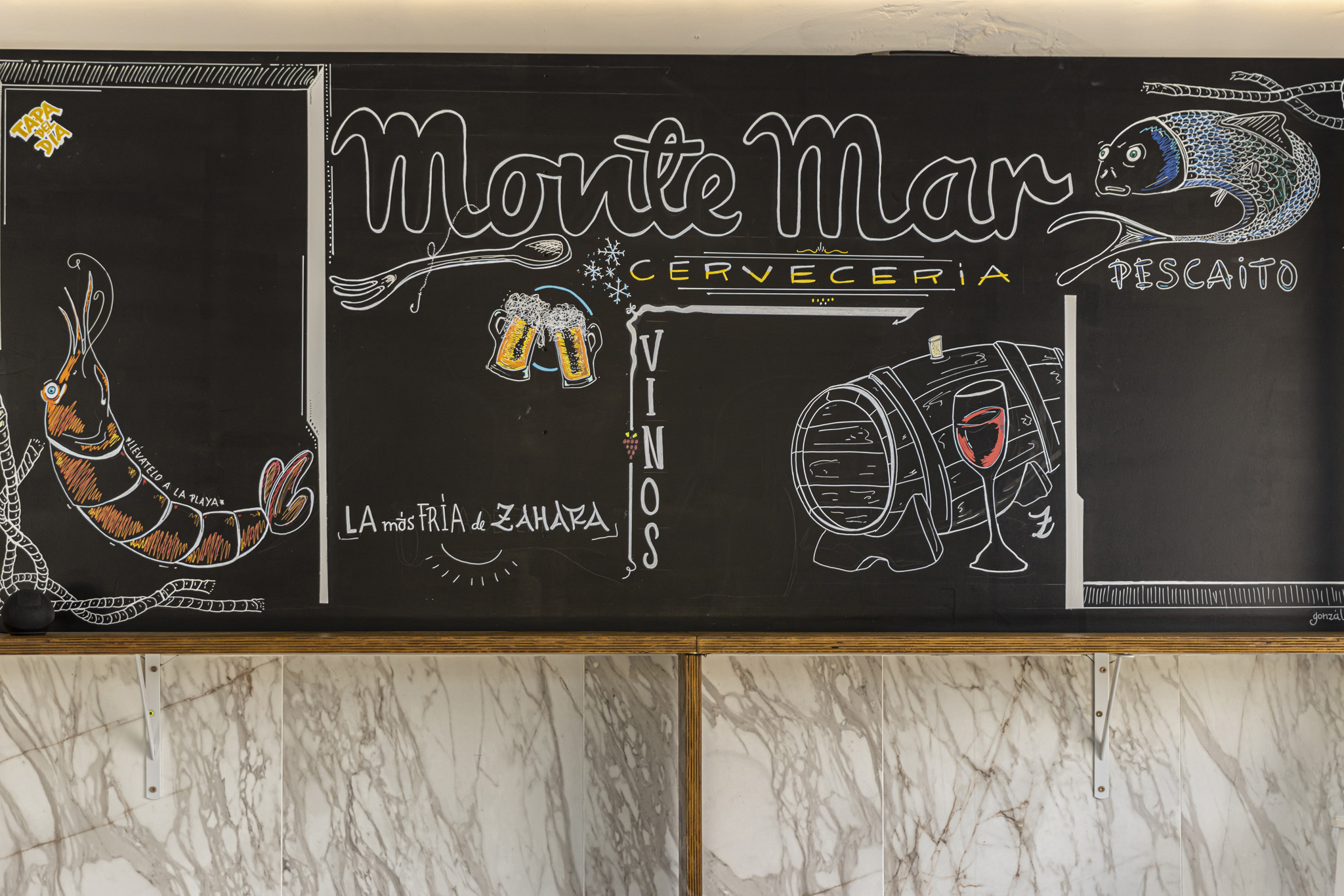
Gaspar is a beloved and essential spot, known for its fresh fish and authentic setting. The perfect place to feel the heartbeat of the village.
Taberna Trasteo is a Michelin-listed restaurant offering a creative, Asian-influenced take on Andalusian flavors.
The Town
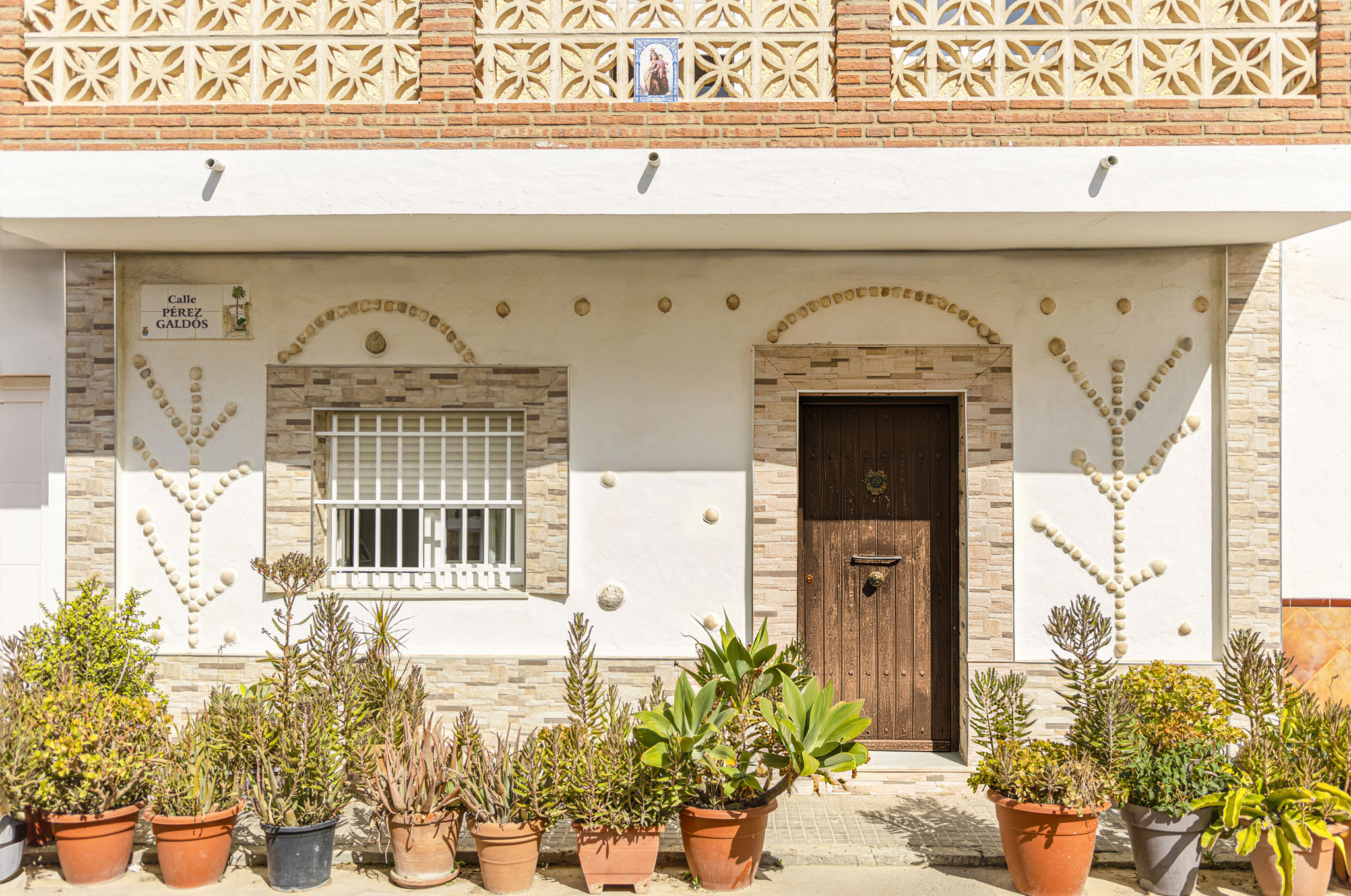
Sun-warmed walls and potted plants frame the town’s streets. Daily life is quiet and unhurried, shaped by the people who call it home.
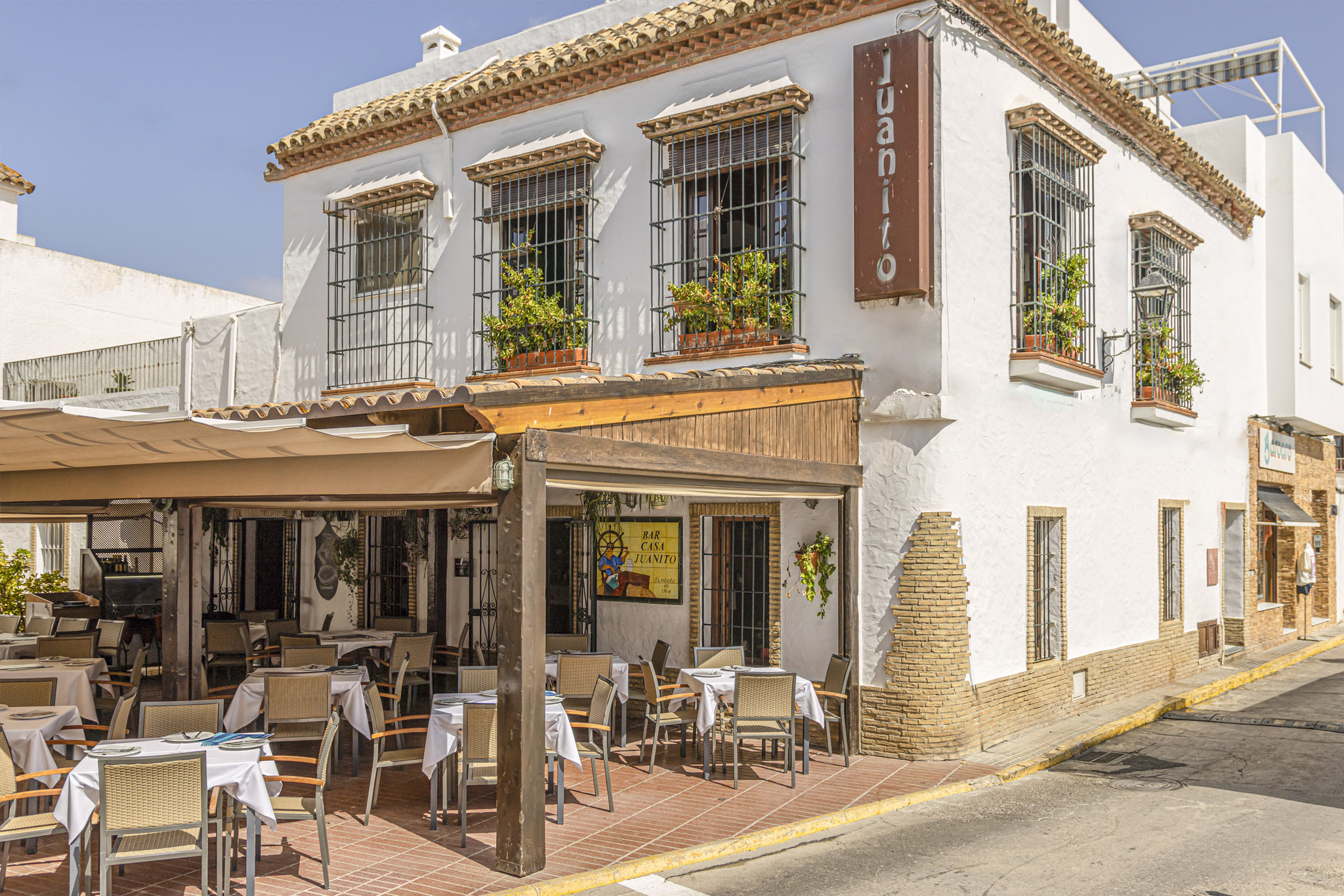
Restaurants spill onto the streets, serving simple, delicious meals made with fresh local ingredients.
There are plenty of ice-cream shops, children wander freely, and the sound of live music drifts through the town in the high season. In summer, the streets fill with visitors, but the town retains its character. At its edge, the remains of a 15th-century castle and palace stand as a quiet reminder of its historic roots.

Local boutiques offer beachwear, gourmet goods, and handmade pieces.

At the edge of the town, beach bars open onto the sand, serving cold cervezas and relaxed seaside tapas.
The Beaches

The beaches define life in Zahara, with long stretches of golden sand and clear water along the coast. From wide-open sections to quieter coves, the shoreline feels both expansive and secluded.
Playa de Zahara
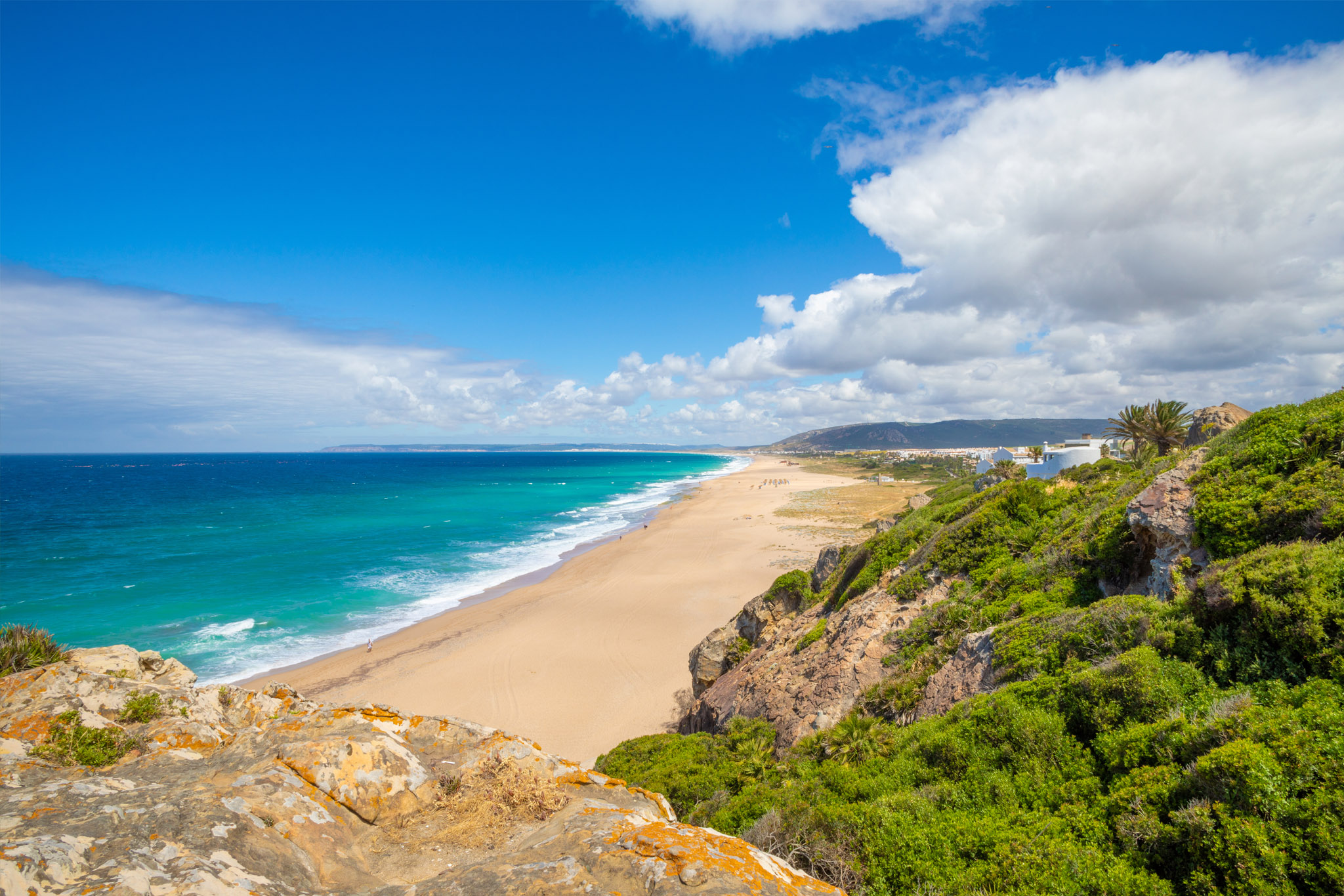
Broad and lively, it sits at the heart of the town and is where most of the summer energy gathers. Pictured above in the off-season, it becomes quiet and nearly empty.
Atlanterra Beach
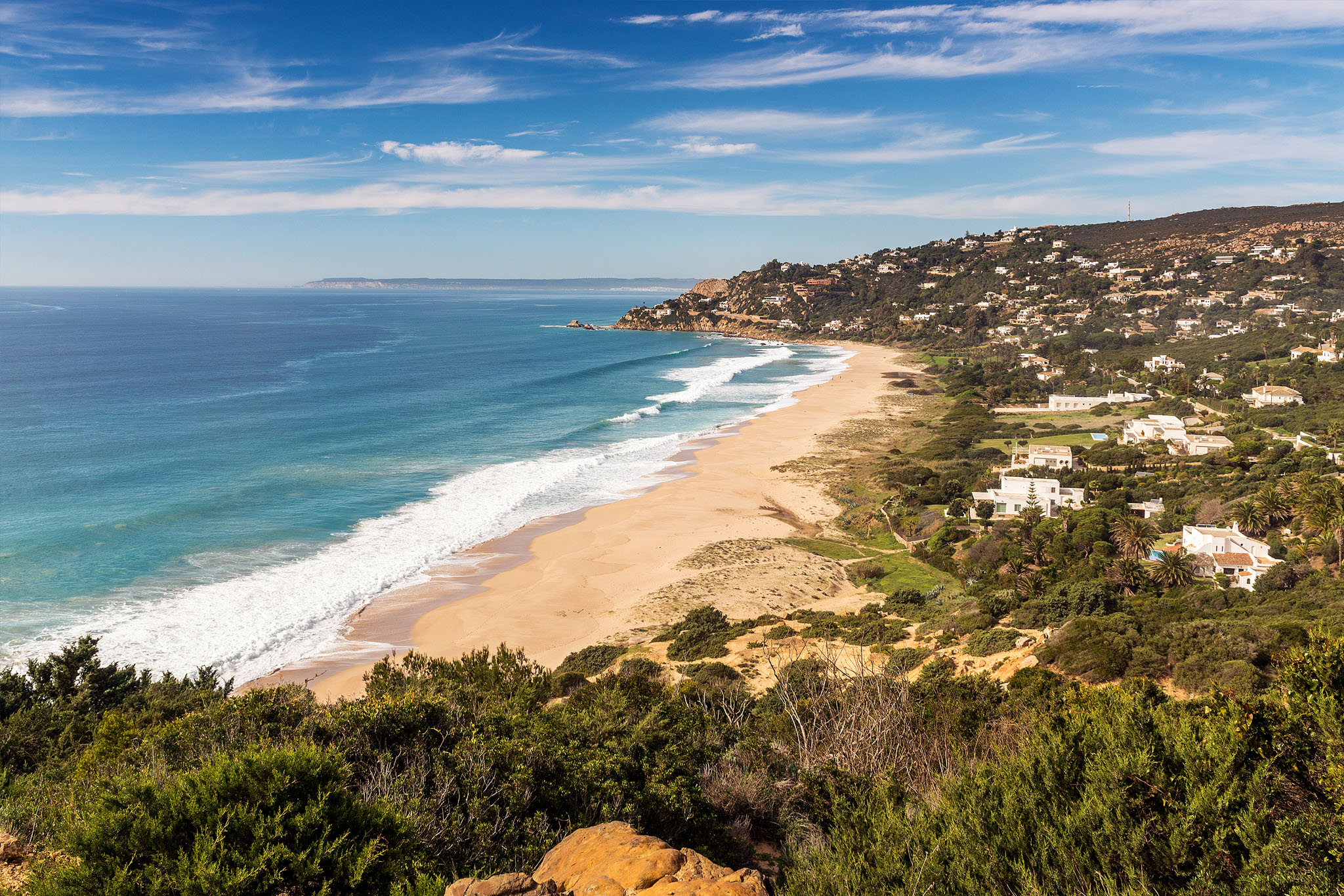
Quieter and lined with sheltered coves, it curves around Cape Gracia. Many of the area’s homes and smaller hotels sit just behind this stretch.
Sunbeds, Drinks, and Views
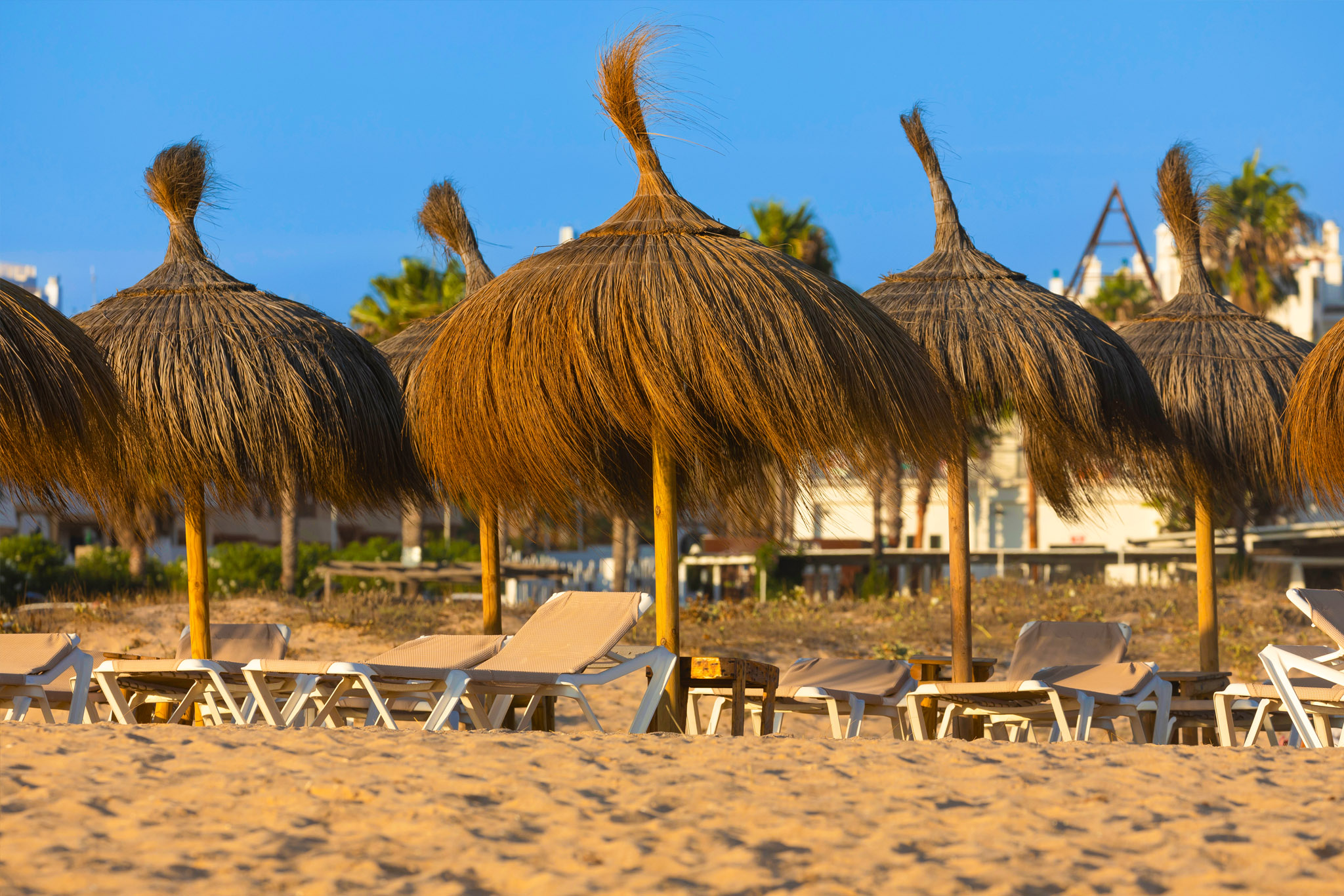
For those looking for sunbeds and service during the summer months, there are several options along the coast:
Chiringuito Antonio, linked to Restaurante Antonio in Atlanterra, offers sunbeds, drinks, and a more polished beach setting.
Along Playa de Zahara, several seasonal chiringuitos set up sunbed areas each year, offering loungers, drinks, and food directly on the sand.
Zahara’s Signature Sight: The Retinta Cows.
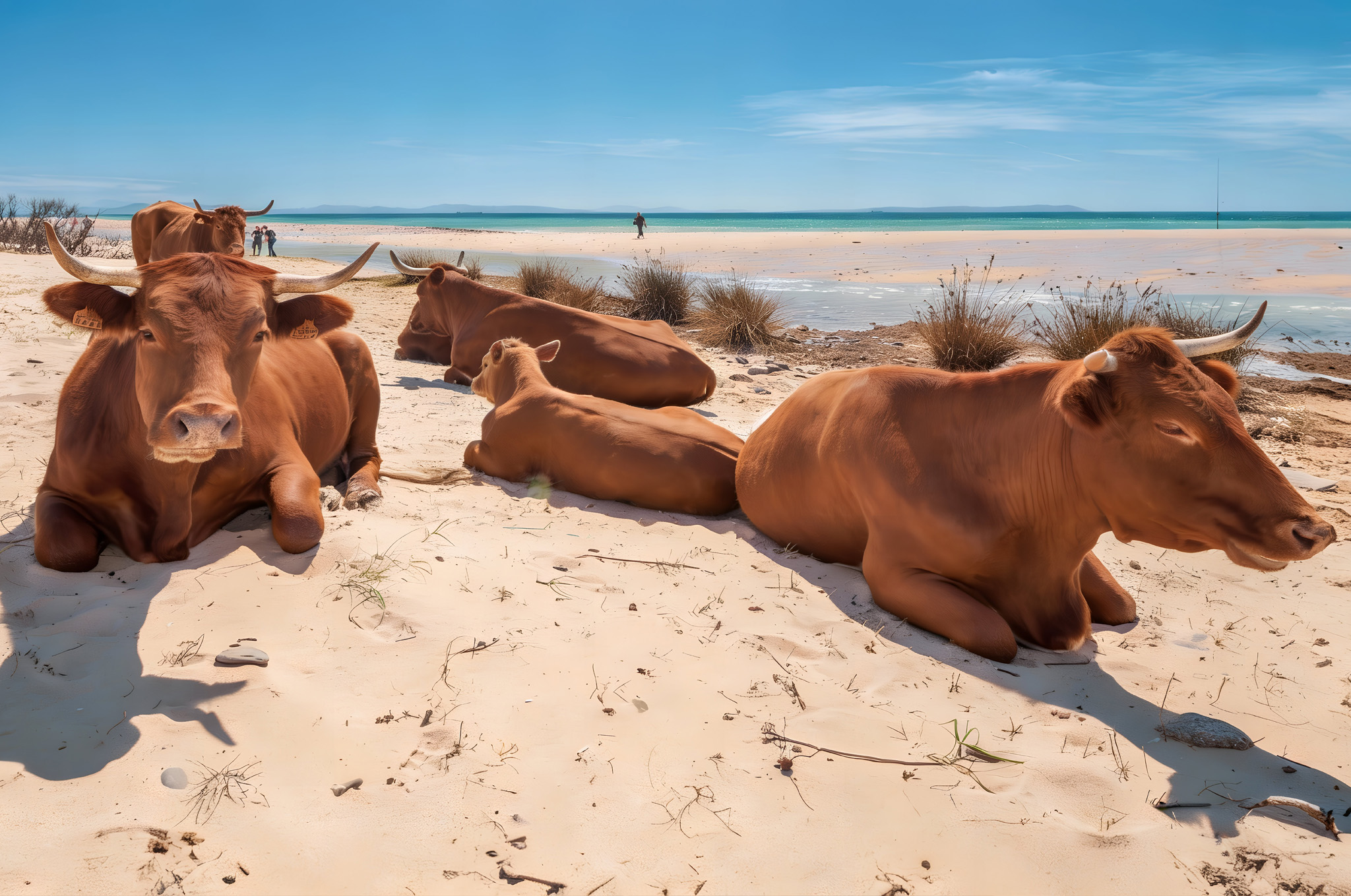
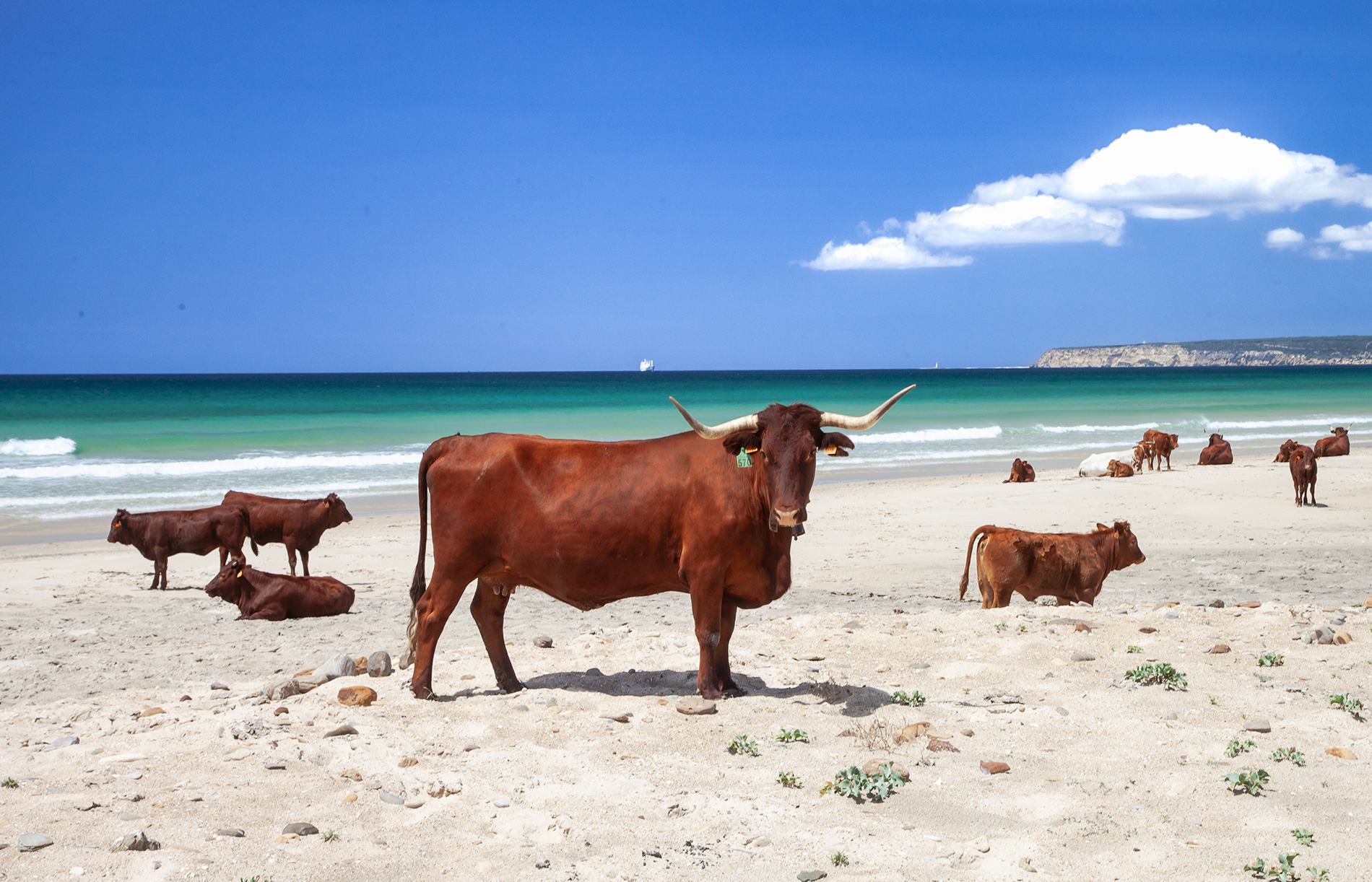
One of the more unexpected sights along Zahara’s coastline is the presence of retinta cows, a native Andalusian breed that grazes freely near a stretch of the beach.
One of the more unexpected sights along Zahara’s coastline is the presence of retinta cows, a native Andalusian breed that can be found grazing near a specific stretch of the beach.
They are not something you encounter everywhere, but for those who seek them out, their calm presence against the dunes is a distinctive part of the landscape.
Adventures and Nearby Destinations
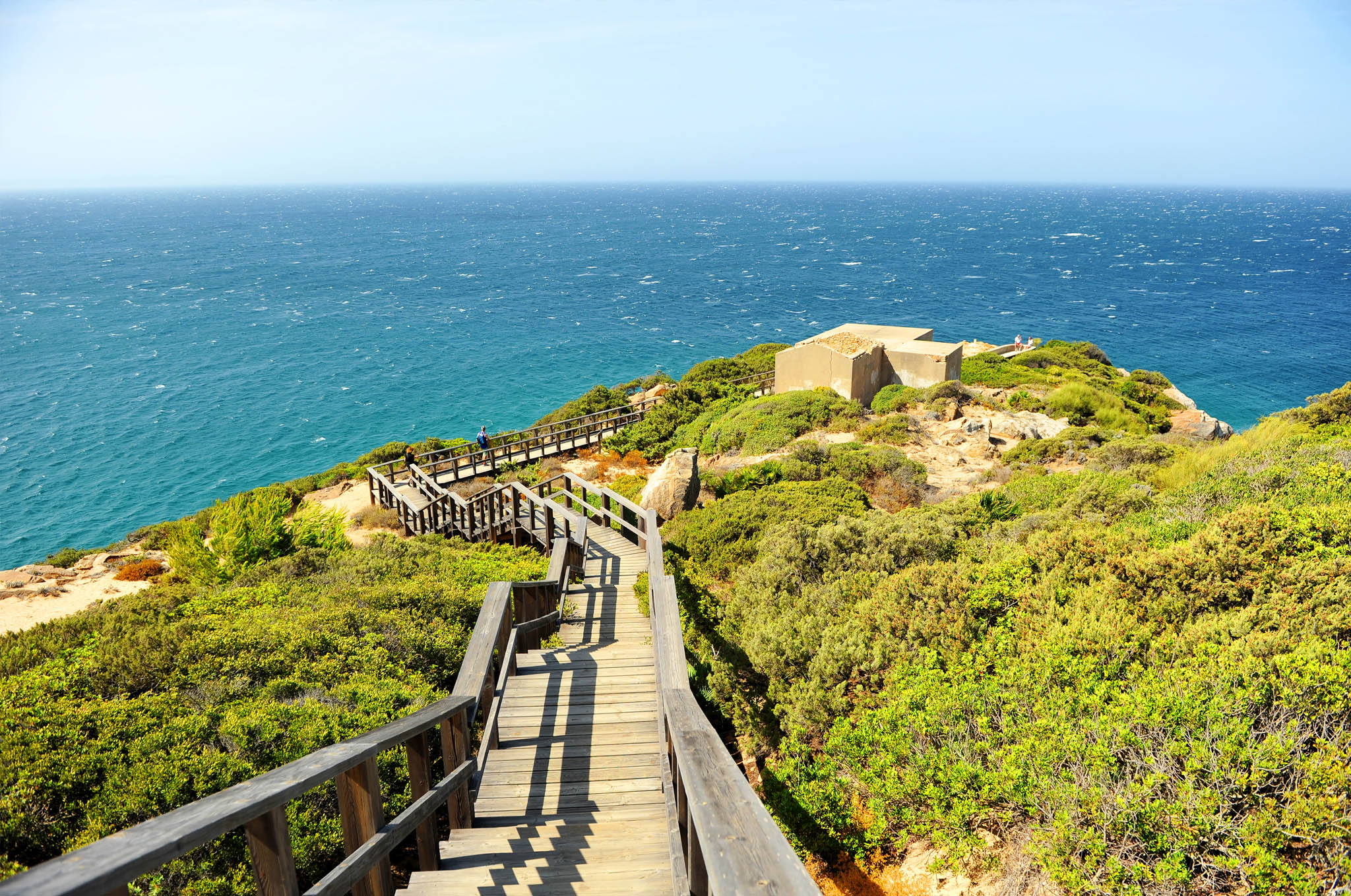
While relaxation and the beach are the main draws, Zahara and its surroundings offer plenty of activities. Here, days can unfold slowly or take on a more active pace, all at your own rhythm.
Activities within Zahara
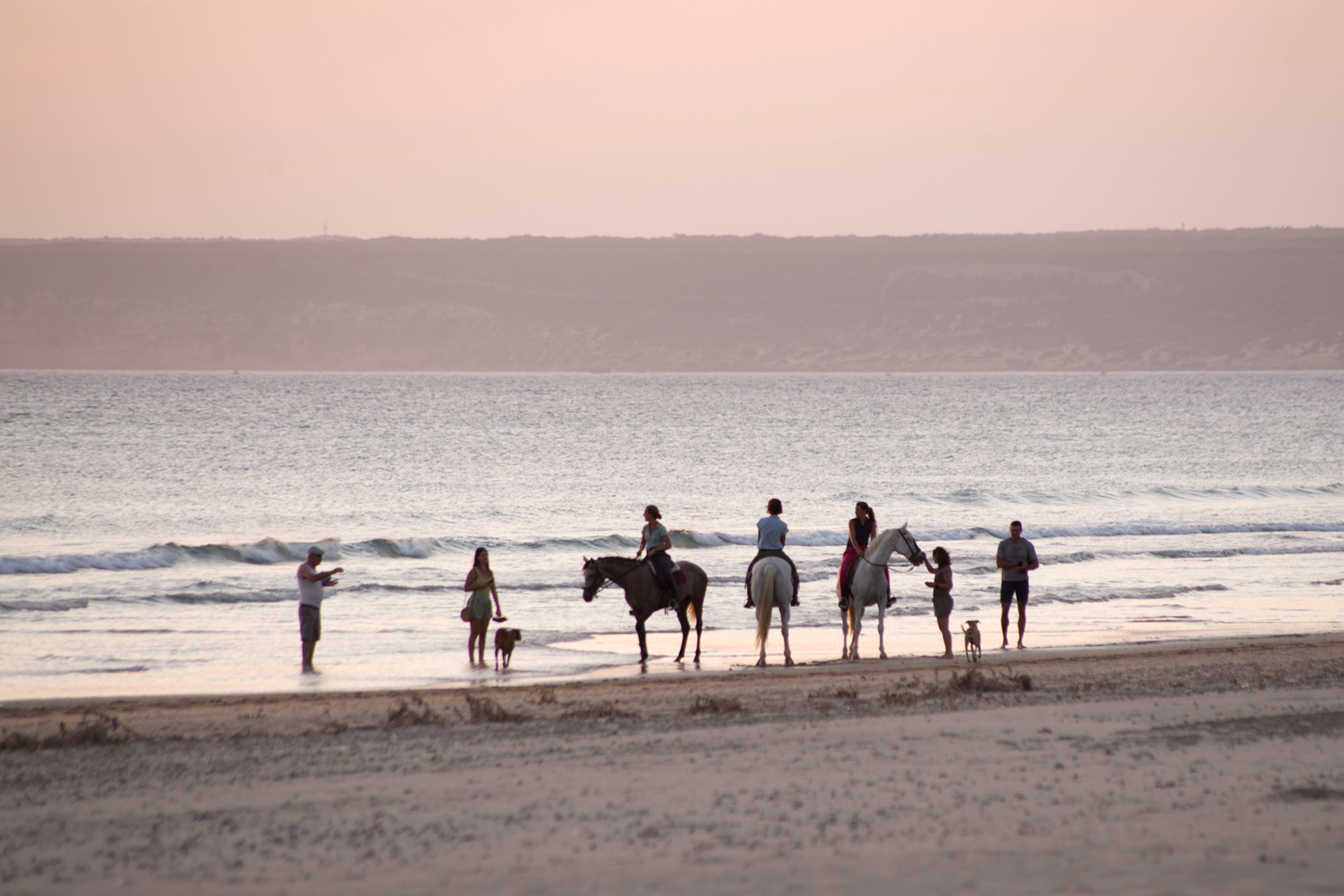
Highlights include:
Paddle Boarding & Kayaking
On calm, wind-free days, the bay is well suited to paddle boarding and kayaking. Local companies offer rentals and lessons directly from the main beach.
Horseback Riding on the Beach
Guided rides are available throughout the year, with sunset offering a particularly memorable setting along the coast.
Leisure Fishing and Boating
While the almadraba is reserved for professionals, visitors can take part in sport fishing or rent small boats to explore the nearby coastline.
Local Hiking
The Sierra de la Plata, just behind Atlanterra, offers accessible trails with panoramic views that can extend as far as Morocco on clear days.
Excursions from Zahara
Nearby excursions from Zahara include:
Bolonia (20 minutes)
A pristine beach backed by a large sand dune and the well-preserved Roman city of Baelo Claudia, where history and landscape meet directly at the coast.
Tarifa (30 minutes)
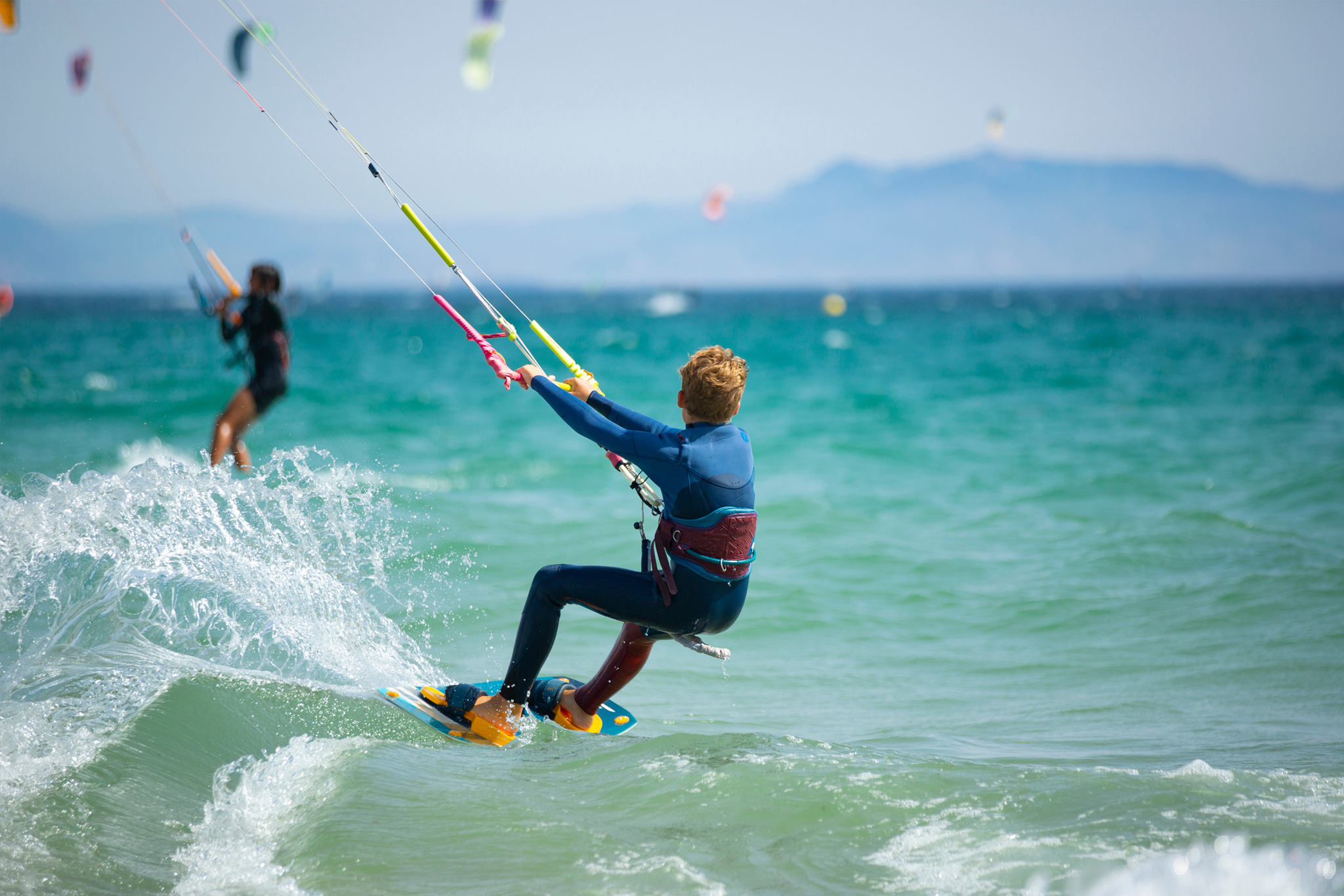
Known for its strong winds and kitesurfing culture, Tarifa has a more energetic feel. Beyond the center, there are quieter beaches and pine forests along the coast.
Vejer de la Frontera (25 minutes)
A well-known Pueblo Blanco set high above the surrounding landscape, with Moorish streets, whitewashed walls, and a strong food scene.
Golf at Dehesa Montenmedio (25 minutes)
A course set within open countryside, with views toward the Atlantic.
The Spirit of Zahara
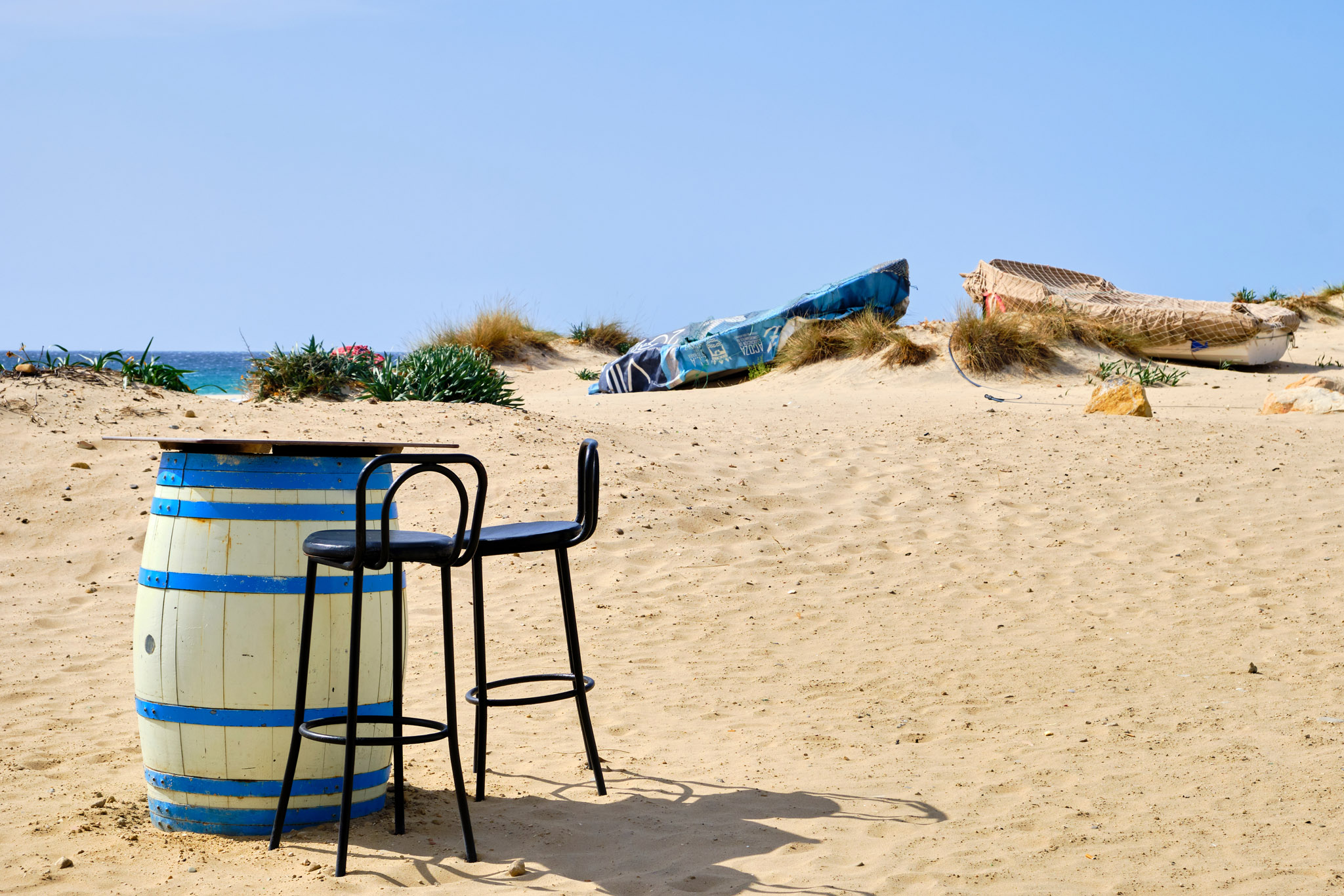
When you arrive in Zahara, time seems to slow.
It’s more than a beach destination, it’s a place with soul. It’s the story of the almadraba, the unmistakable flavour of local bluefin tuna, and the quiet passage of retinta cows across golden sands at sunset, moments that stay with you long after you’ve gone.
Zahara offers a rare kind of refuge, where simplicity, beauty, and heritage meet. A coastline that leaves its mark, and a place that quietly calls you back.