


Jerez de la Frontera
A historic city offering a distinctly Andalusian way of life
Living with Soul
Jerez de la Frontera, locally pronounced “heh-RETH,” is one of Andalusia’s larger cities, yet it retains the ease and familiarity of a close-knit town. The city’s lived-in elegance is grounded in its walkable historic center, where shops and cafés sit alongside centuries-old landmarks and exceptional dining is part of life.
Owning a home in Jerez means settling into a place that feels grounded, expressive, and warmly social, where life is not rushed, but richly lived. What follows is a closer look at the rhythms and traditions that define daily life here.
An Authentic Andalusian Lifestyle
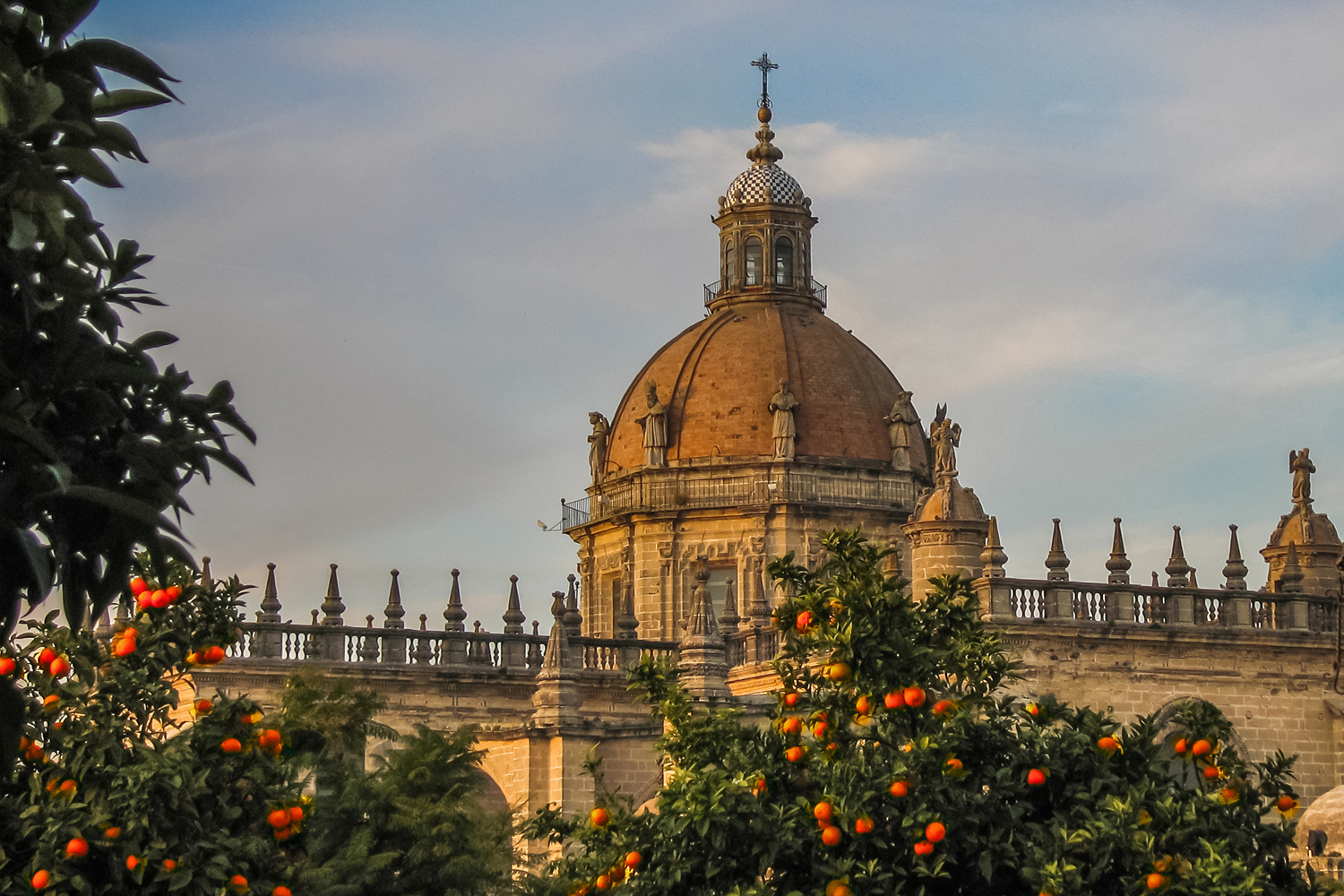
Andalusian life unfolds at an easy, unhurried pace, shaped by community, sunlight, and time spent outdoors. Across the region, streets are lined with orange trees first introduced more than a thousand years ago. Preserved for their beauty and long-held symbolism, nearly 10,000 flourish in Jerez today.
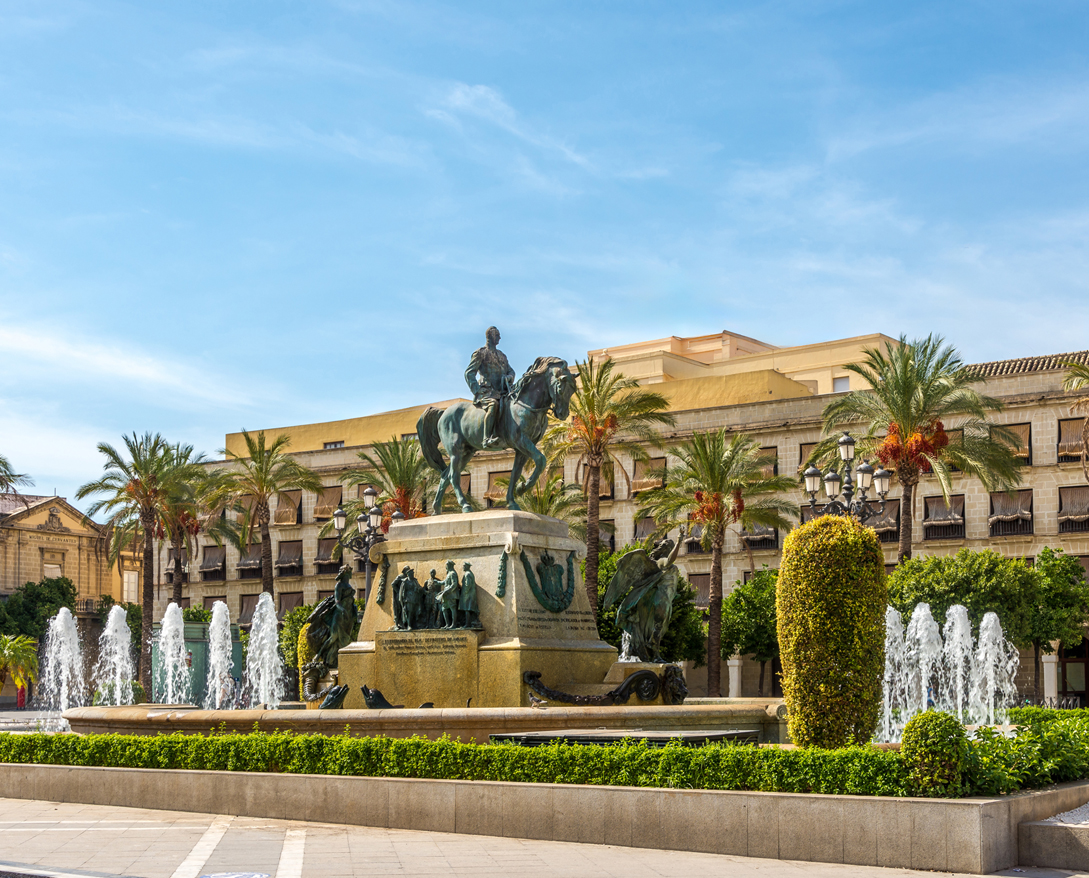
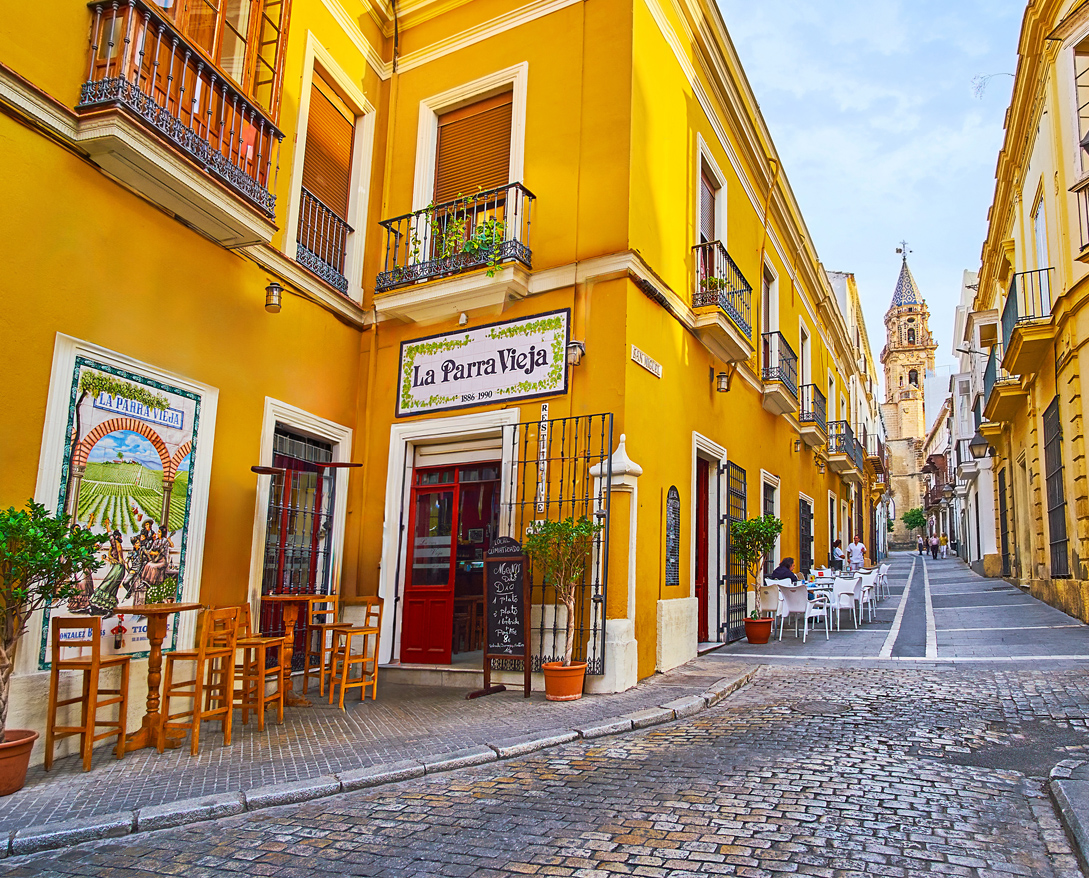
In the historic center, restaurants, small shops, and produce markets line cobblestone streets as horse-drawn carriages pass by. Locals linger over lunch beneath palm trees. As evening falls, plazas fill with conversation and music. These are the moments that define living in Andalusia.
Historic Architectural Beauty
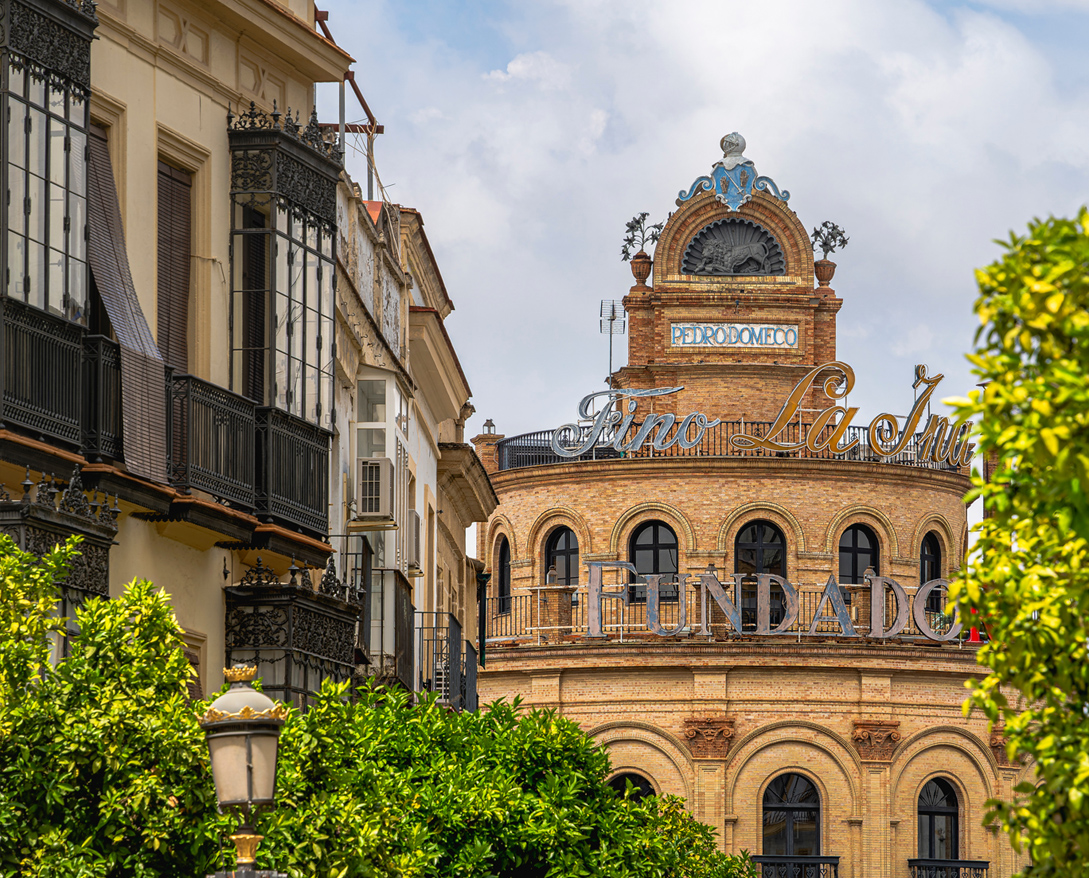
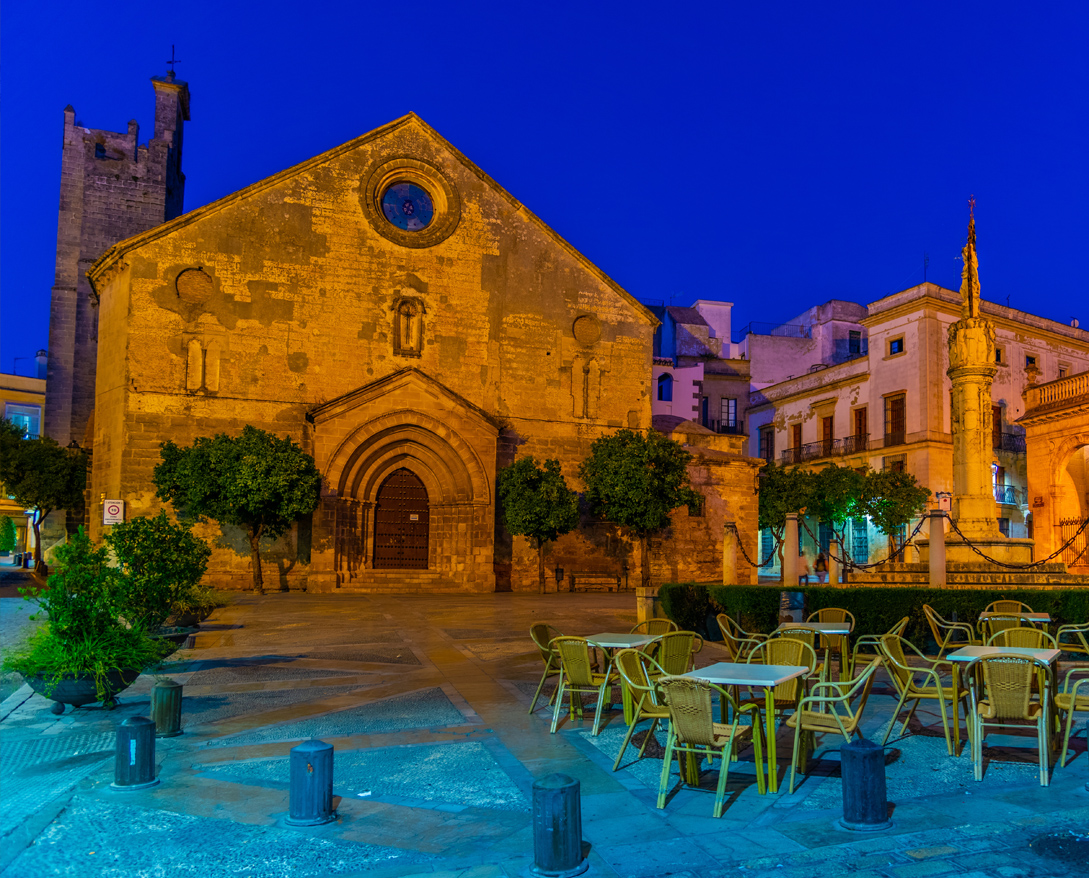
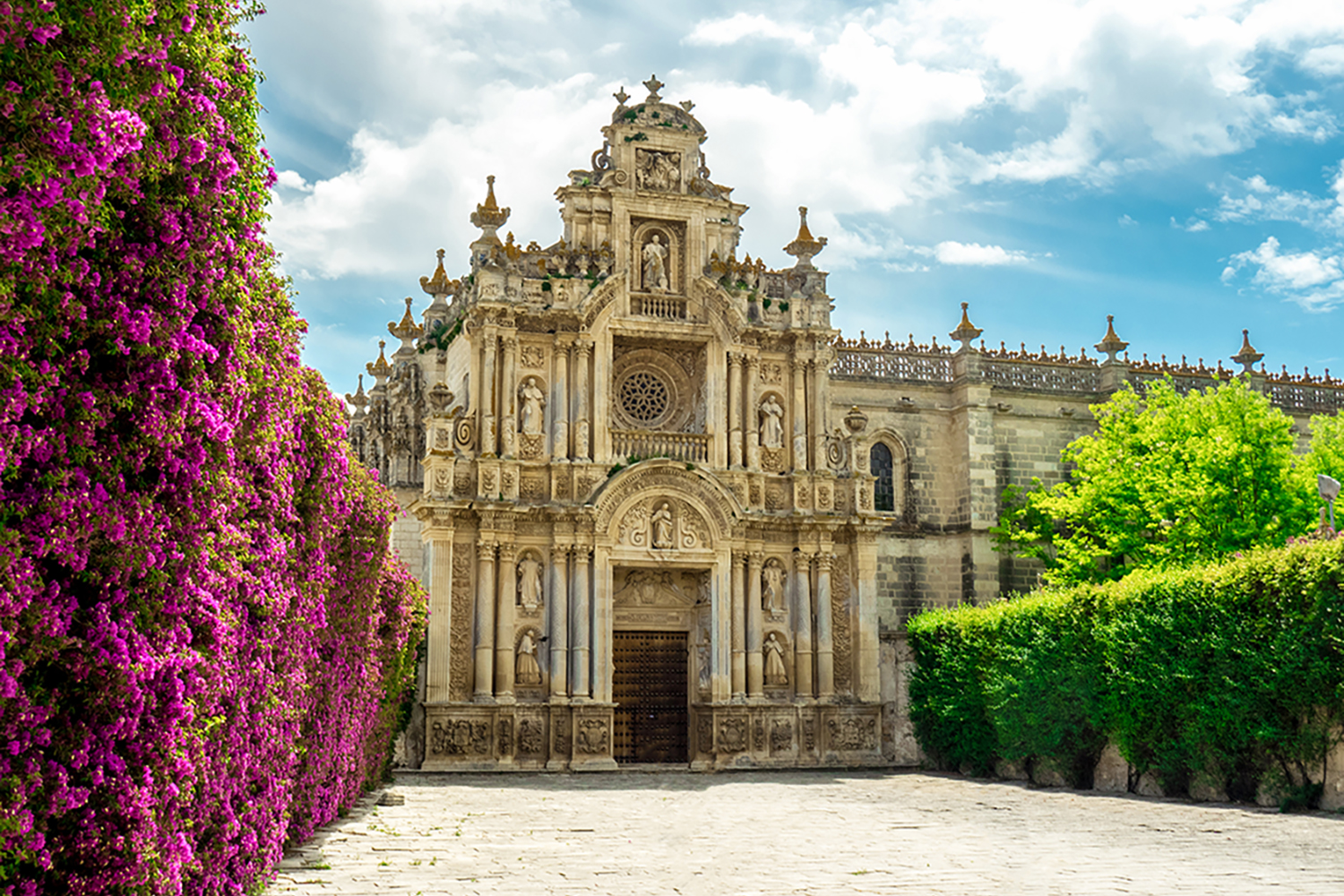
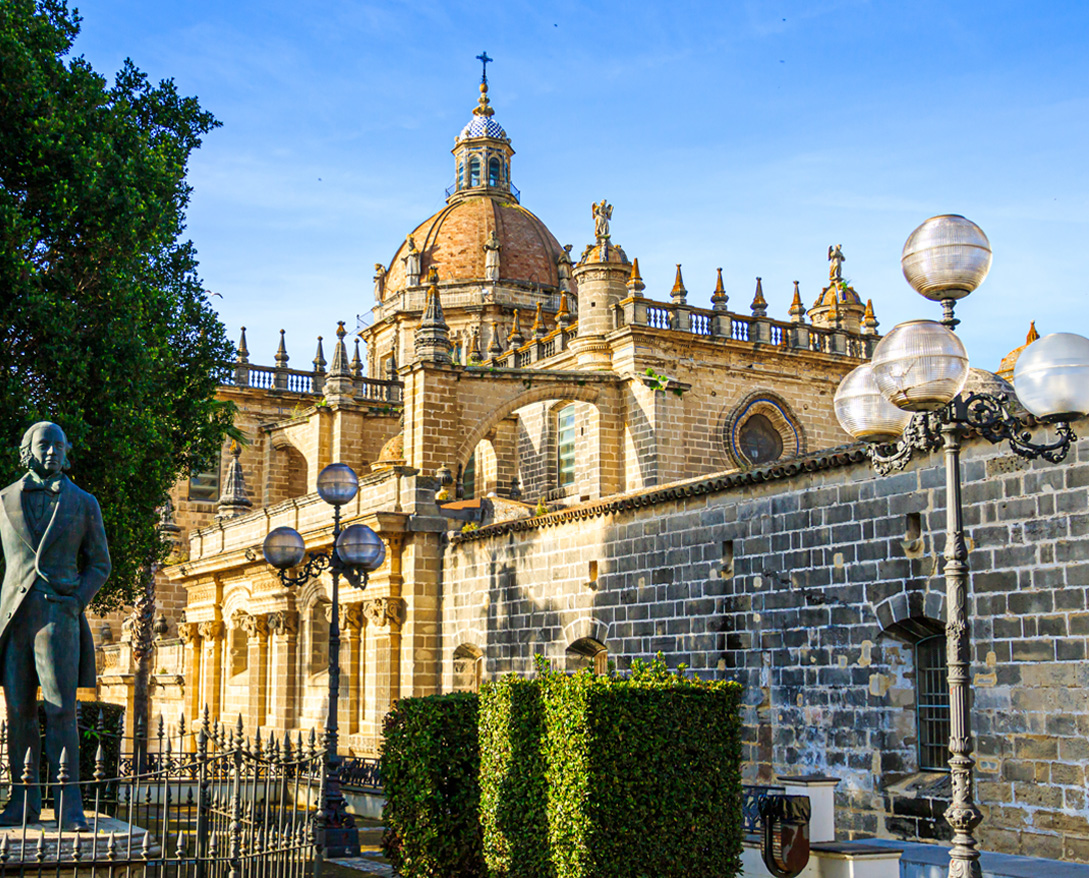
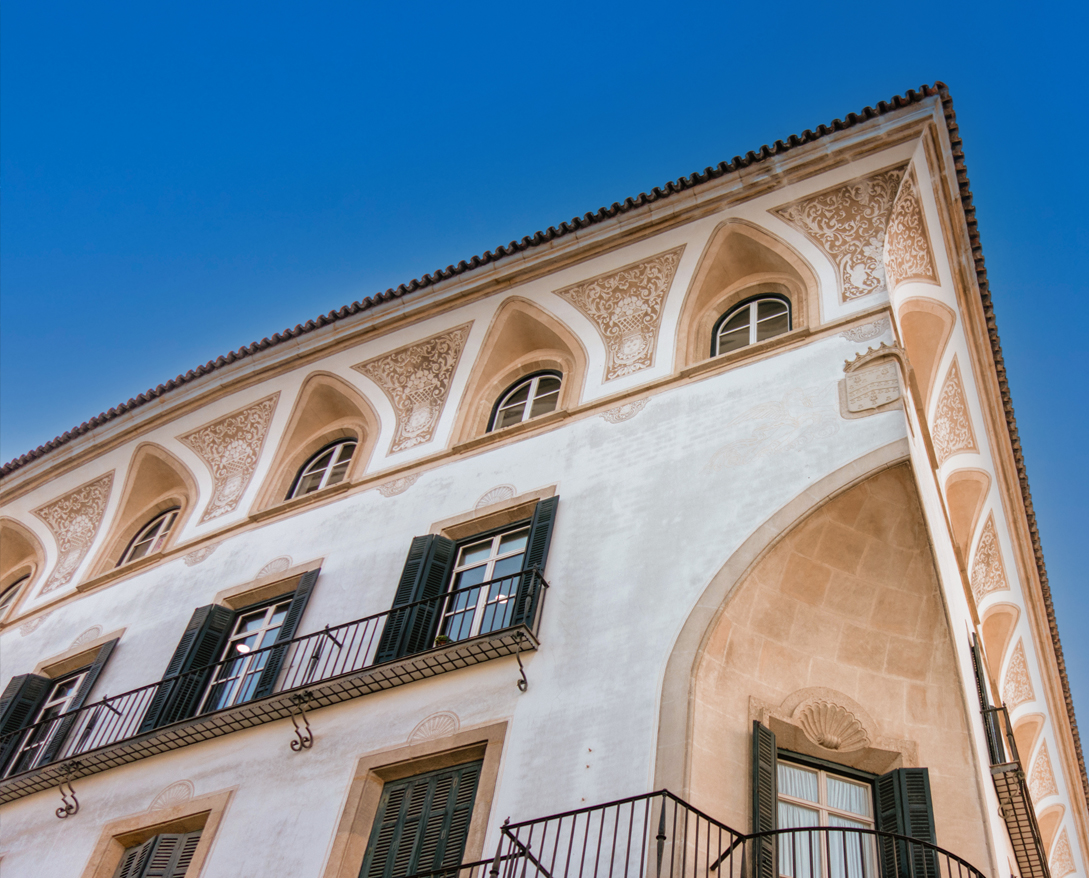
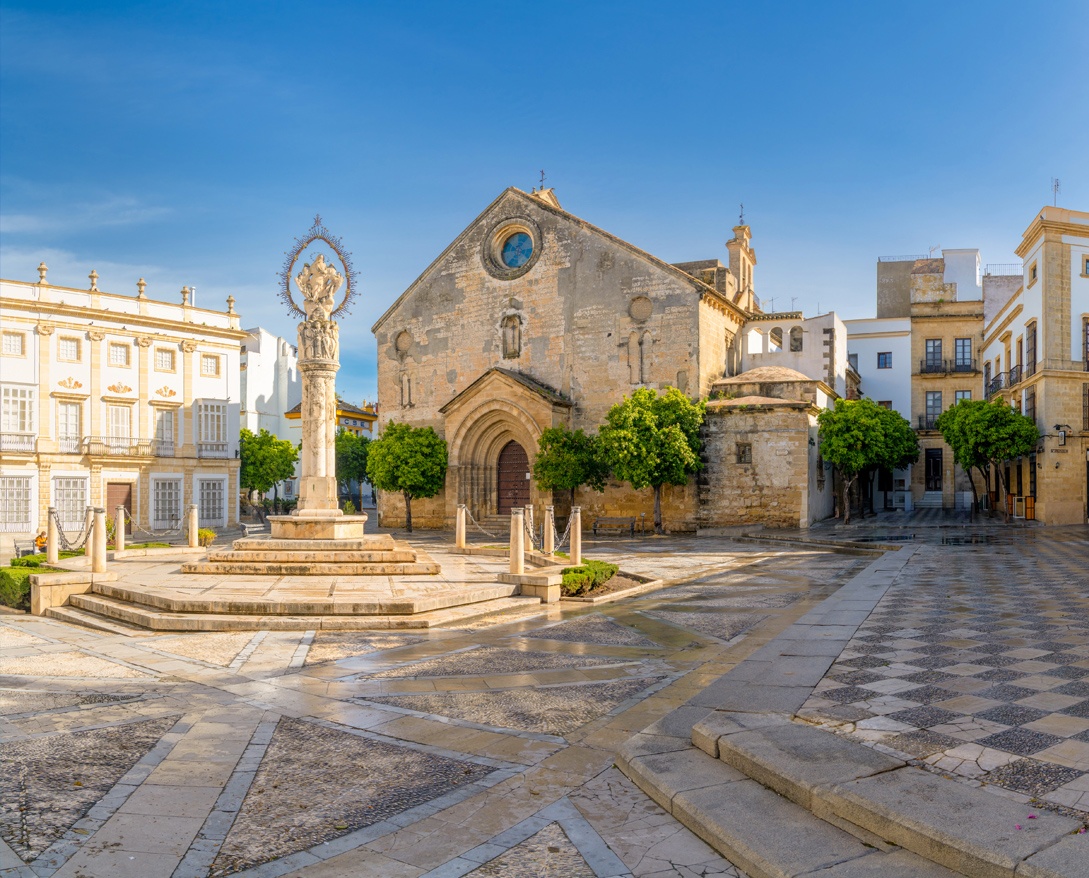
Jerez de la Frontera is defined by a rich architectural heritage shaped by centuries of cultural influence. Layers of Moorish, Gothic, Renaissance, and Baroque design can be seen throughout the city, from fortified walls and churches to noble homes and elegant courtyards.
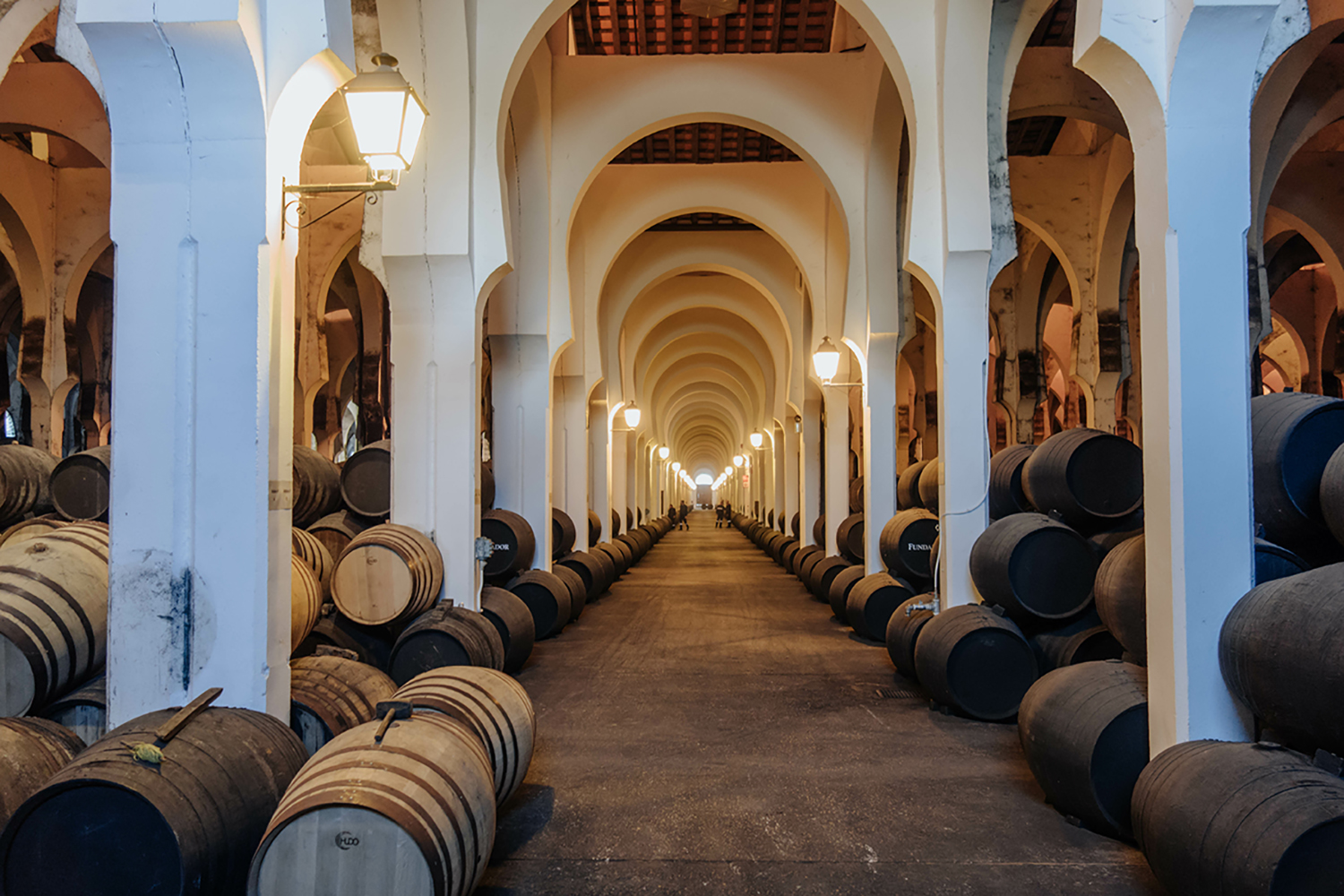
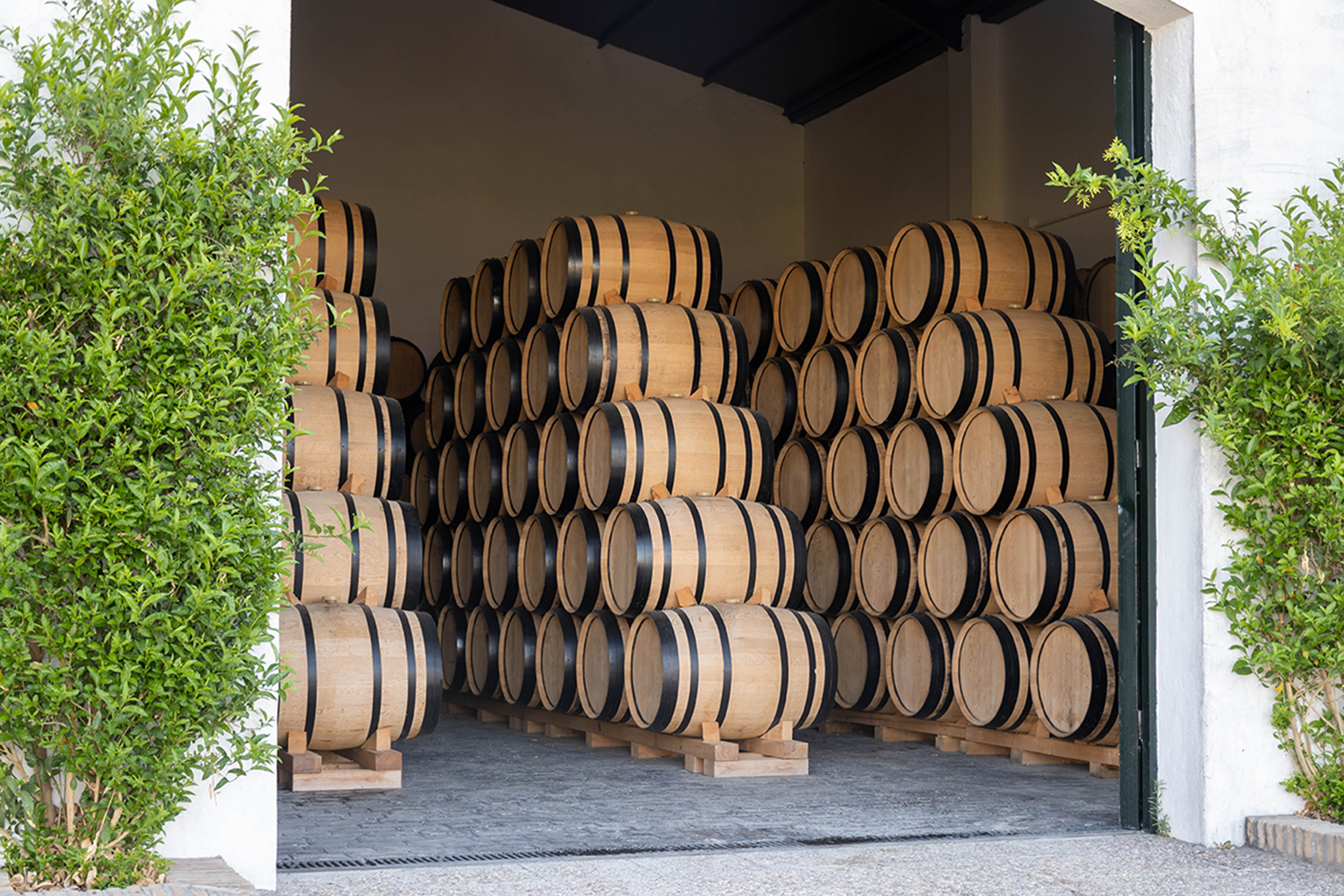
Throughout the city, traditional bodegas define the cityscape as much as church spires. These expansive, cathedral-like structures, designed for the aging of sherry wine, are an integral part of Jerez’s architectural identity, connecting its built environment to its cultural and economic history.


A Vibrant Cultural Calendar
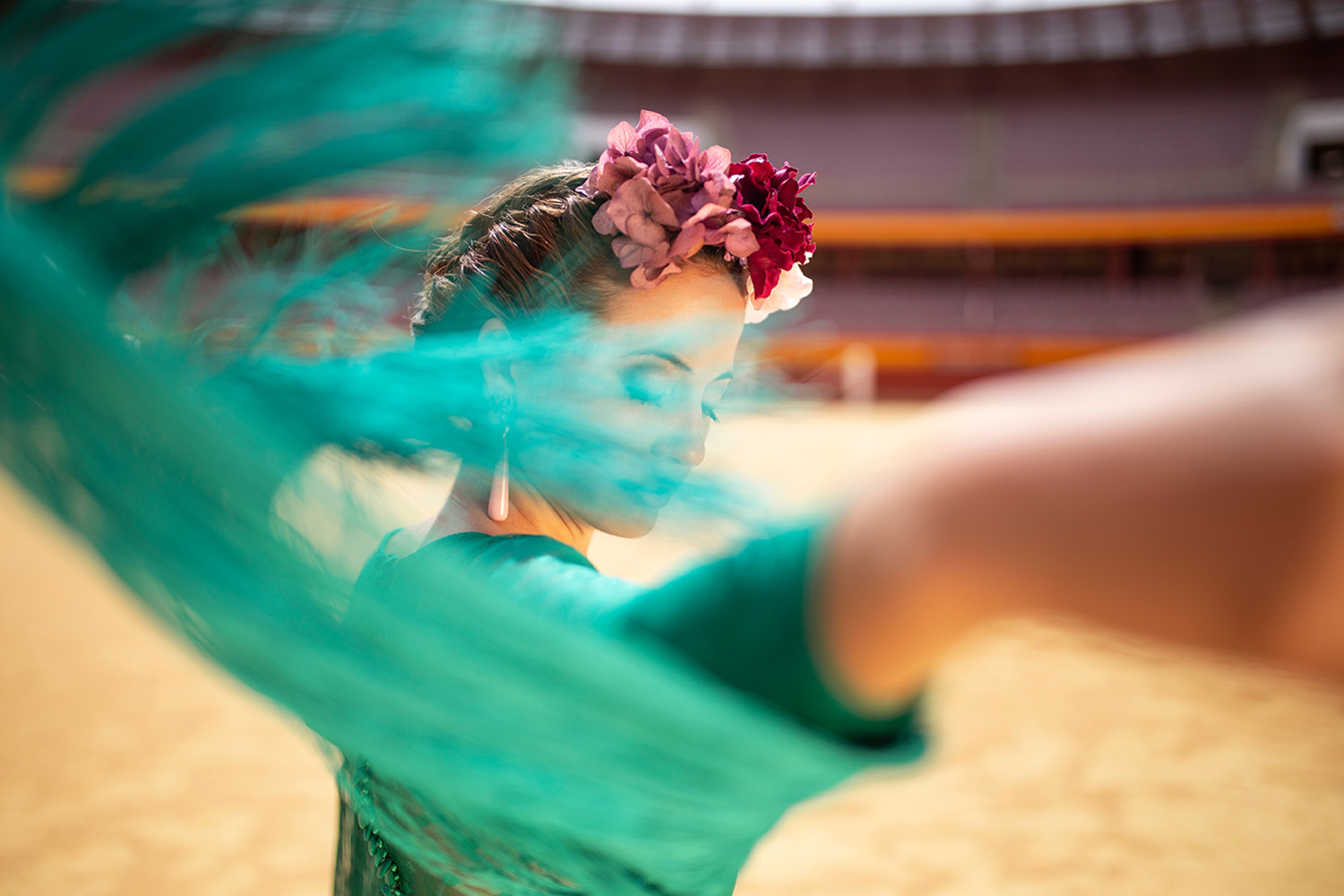
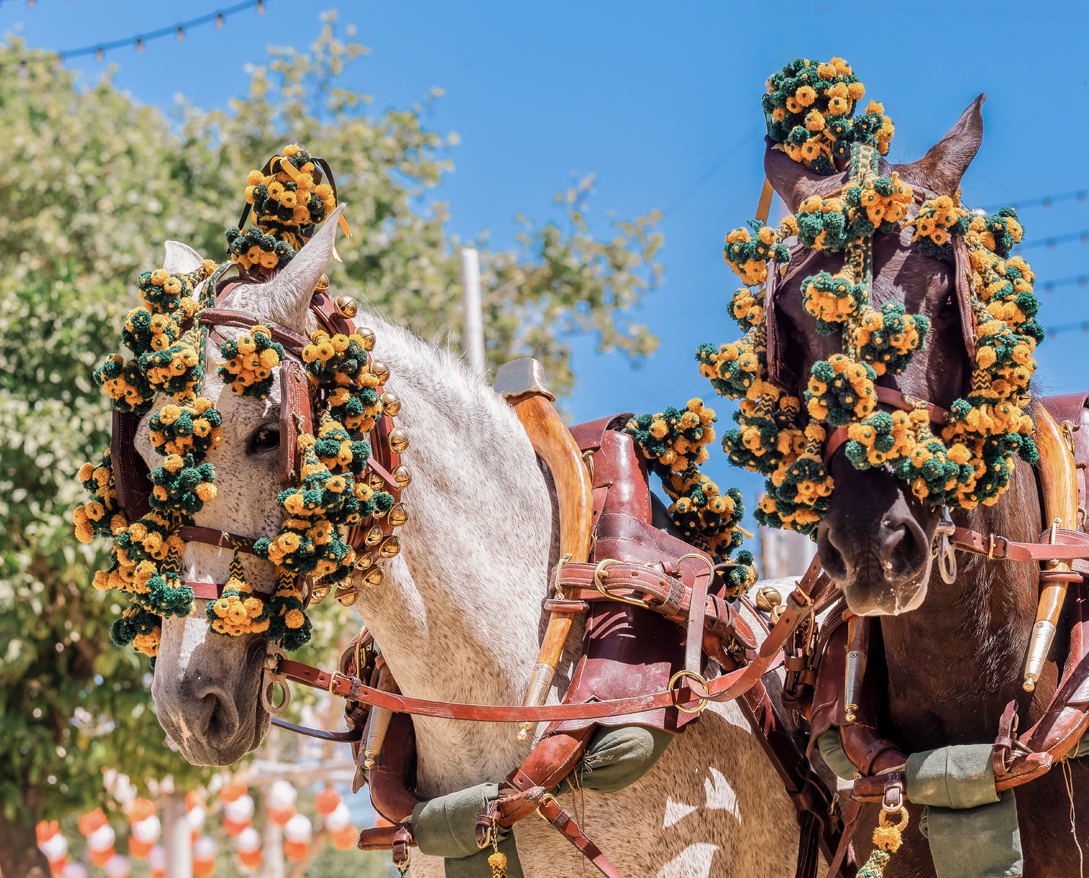
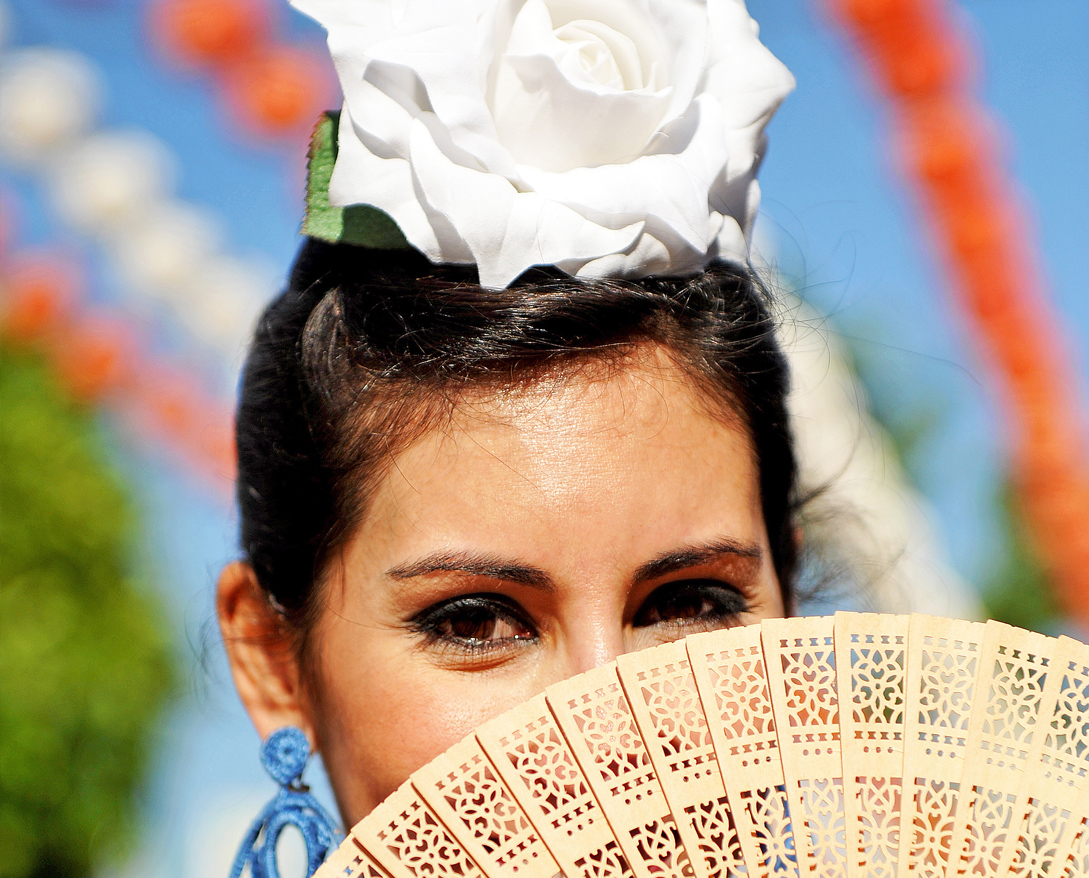
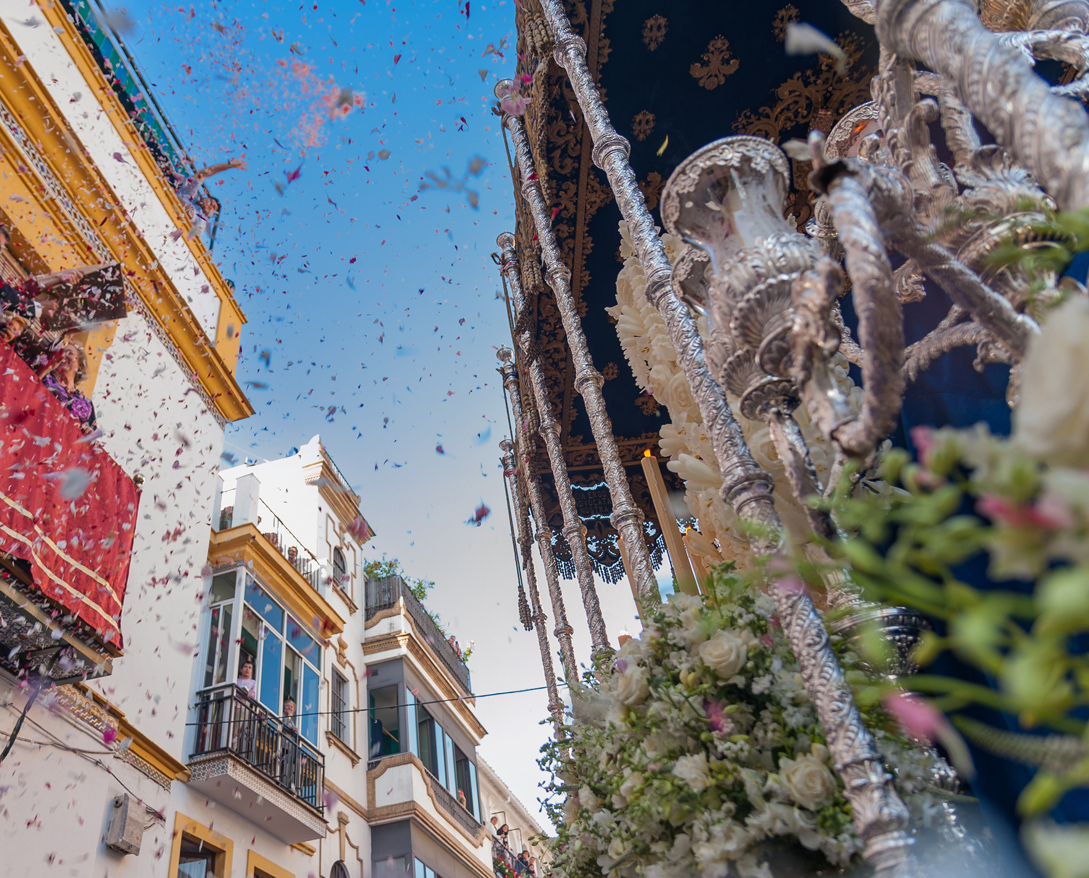
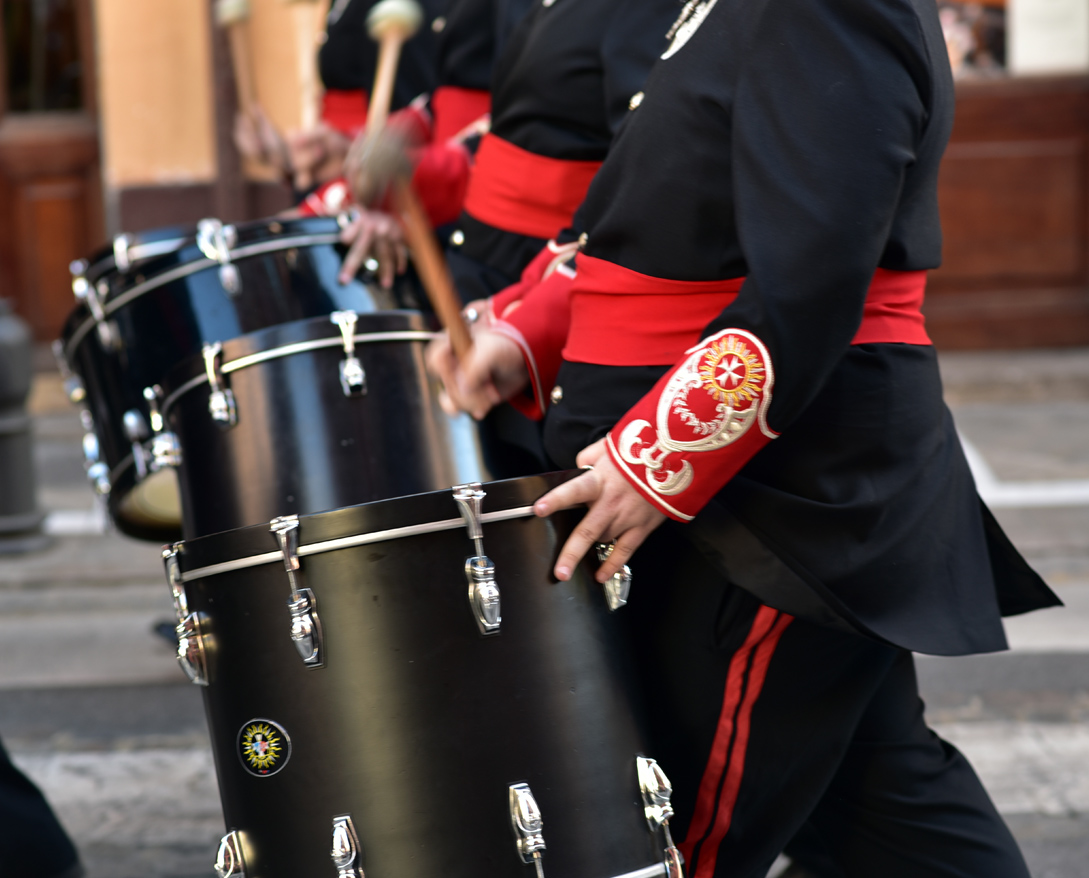
Jerez de la Frontera comes alive through a calendar of events that unfold throughout the year, many rooted in centuries-old traditions. In spring, Semana Santa processions move through the historic streets. Soon after, Feria del Caballo transforms the fairgrounds with horses, traditional flamenco attire, music, and dancing. Summer brings open-air concerts and festivals, while the harvest season celebrates the city’s deep wine heritage. The year concludes with an extended Christmas season that culminates with Three Kings Day in January. Together, these traditions reflect the city’s celebratory way of life.
Culinary Culture Rooted in Sherry
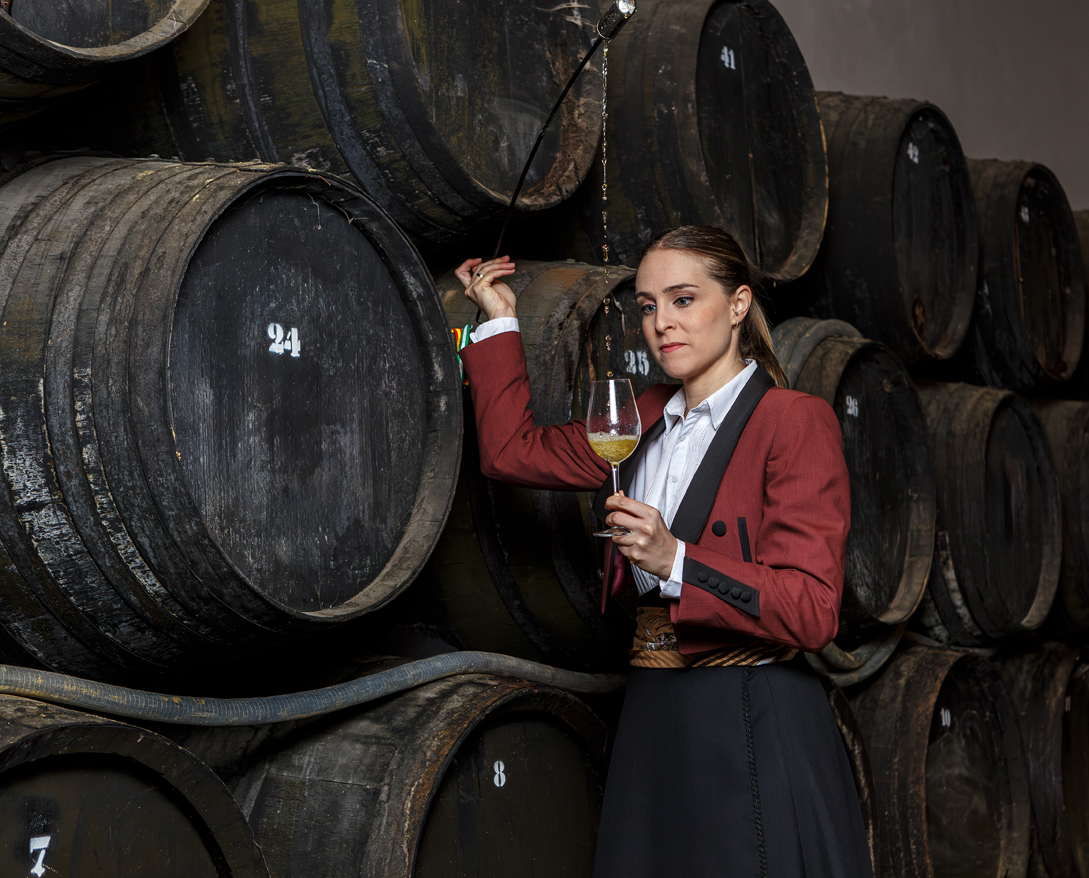
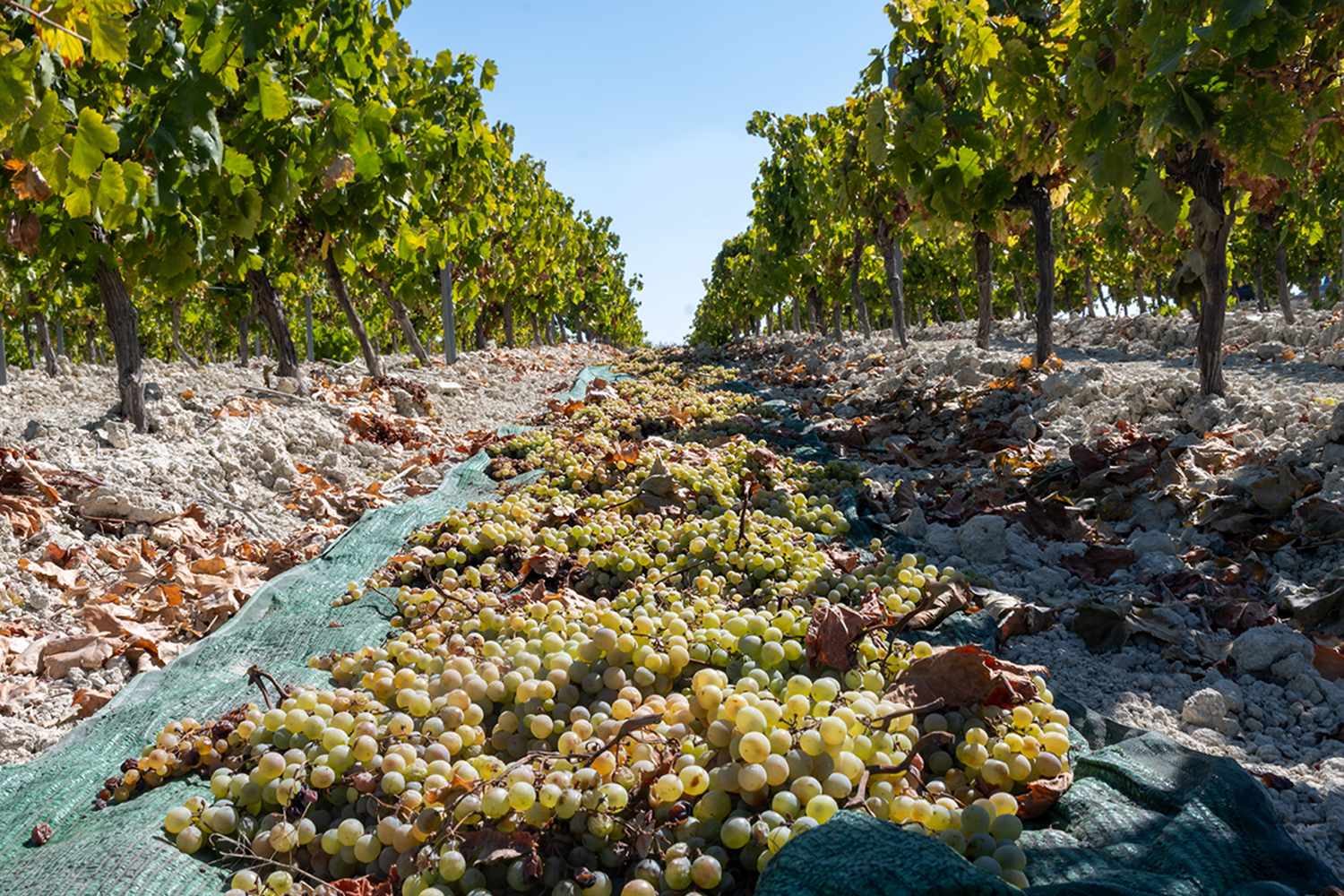
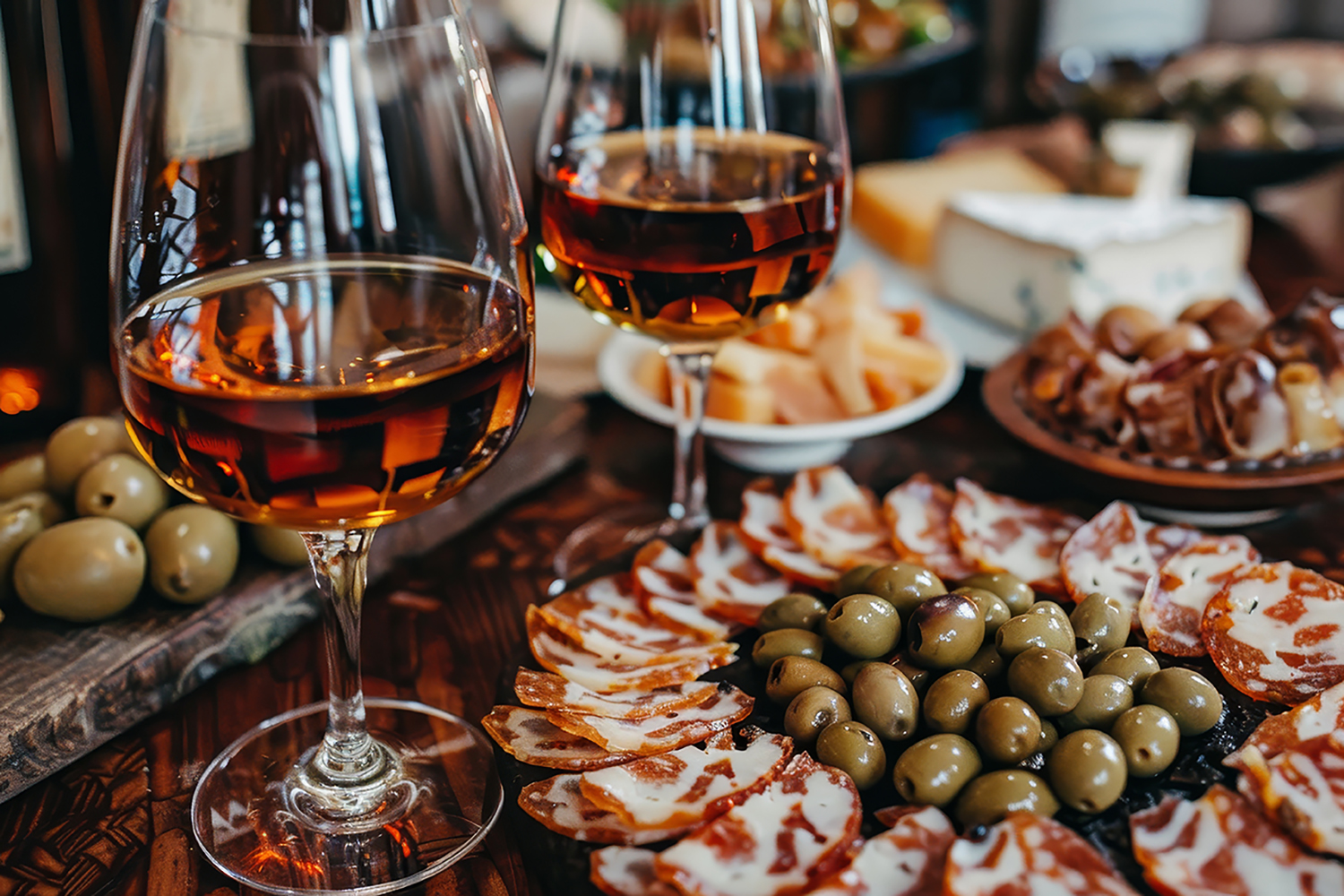
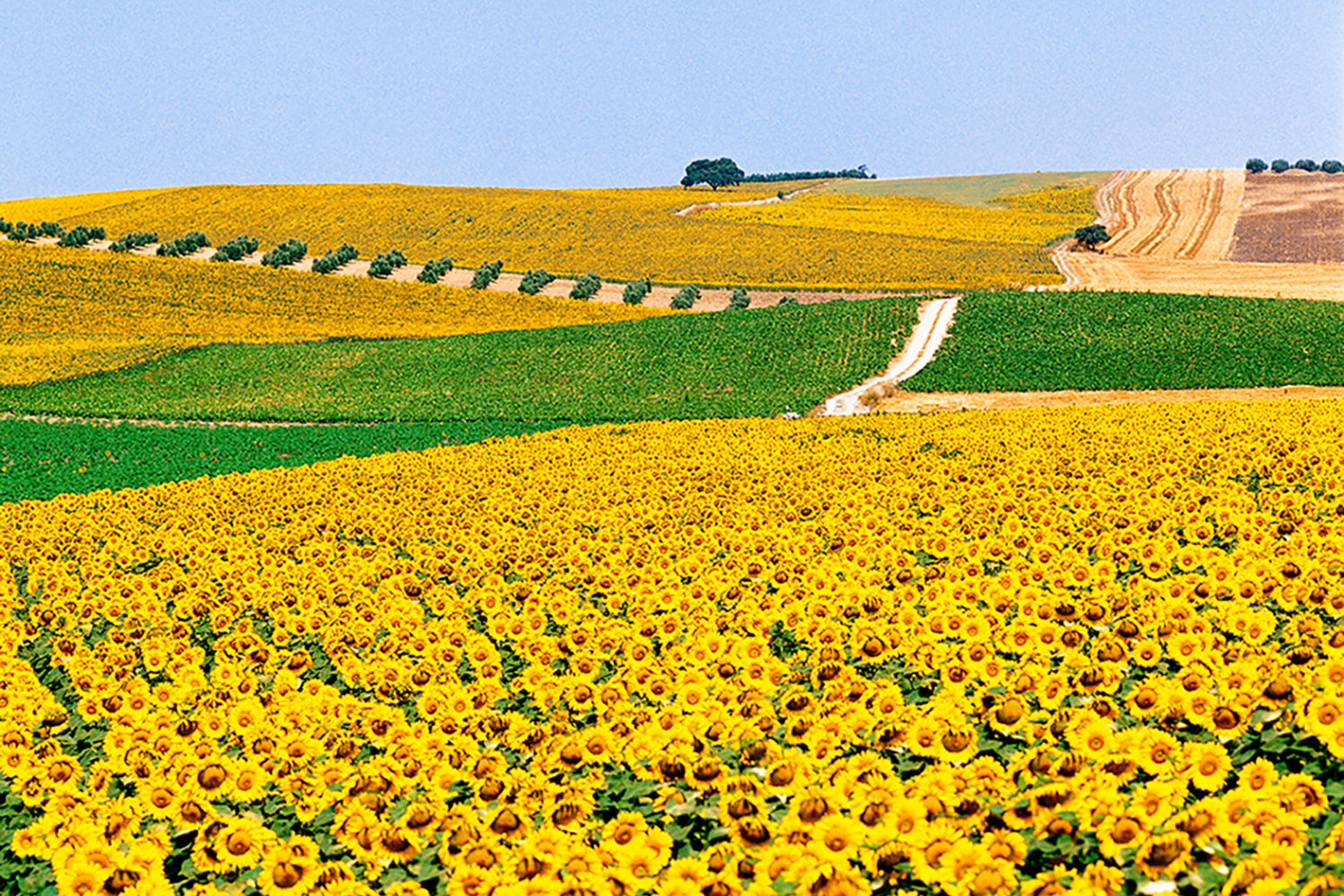
Sherry is produced within Spain’s famed Sherry Triangle, formed by Jerez and two nearby coastal towns. This fortified wine, known for its range of styles, has been crafted here for centuries and remains a defining part of the city’s heritage. In addition to wine, sherry vinegar is produced exclusively here and is found on every table alongside locally produced olive oil. The city’s culinary scene is equally rich and varied, shaped by traditions that span street life to fine dining. From freshly fried fish enjoyed outside the bustling market to early-morning churros in the city center, everyday rituals exist alongside lively tapas bars and several Michelin-recognized restaurants.

Access to Coast, Countryside, and Culture
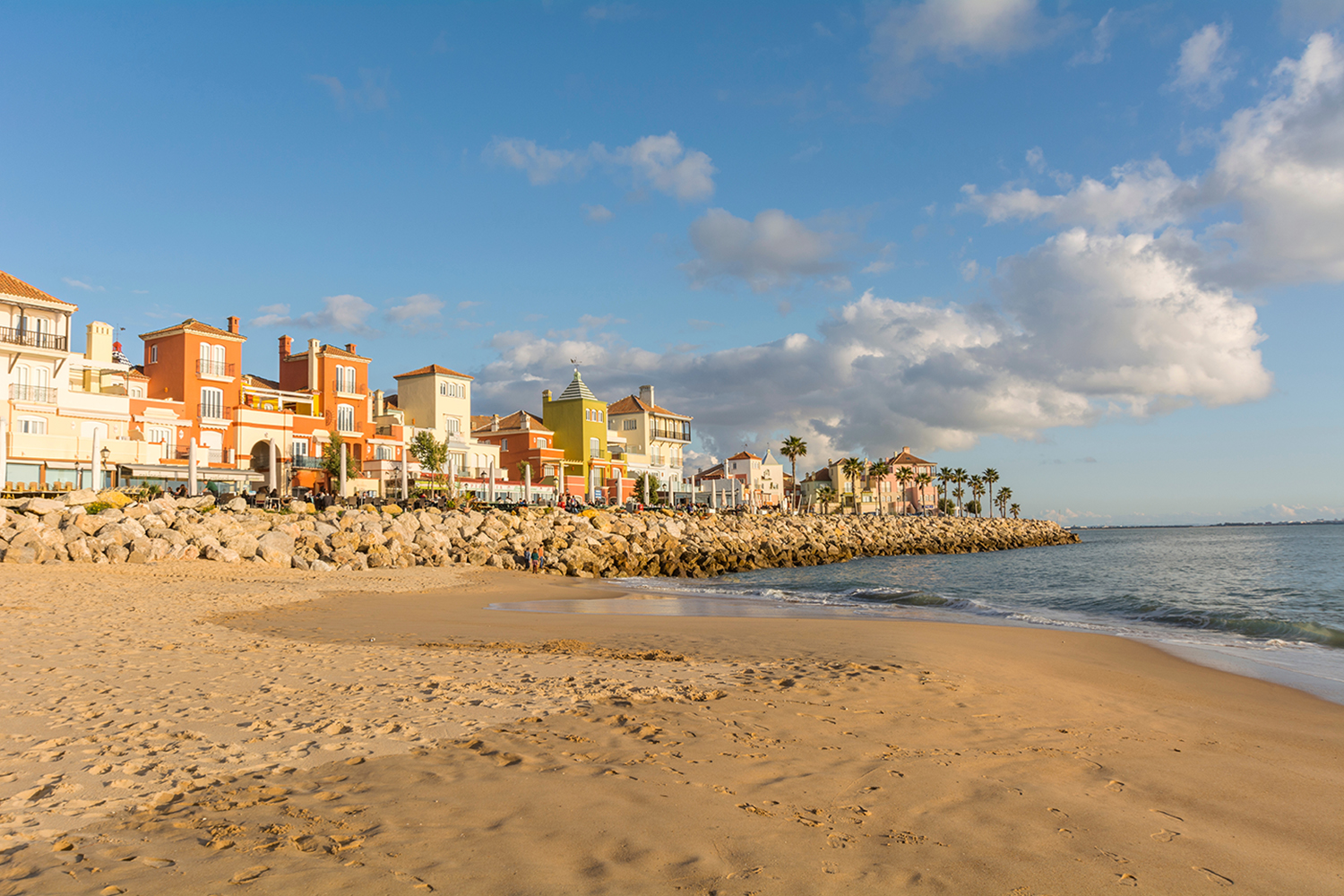
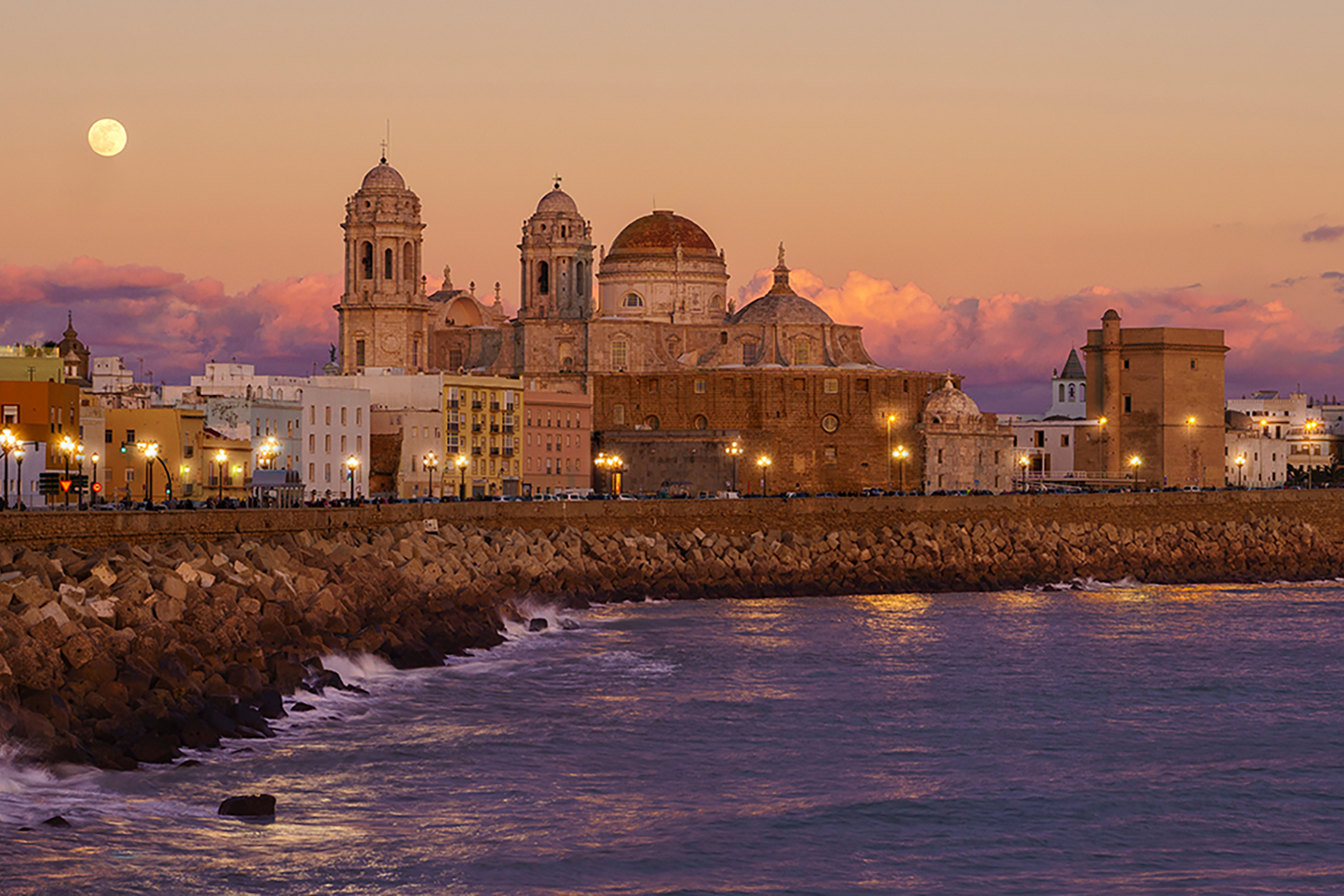
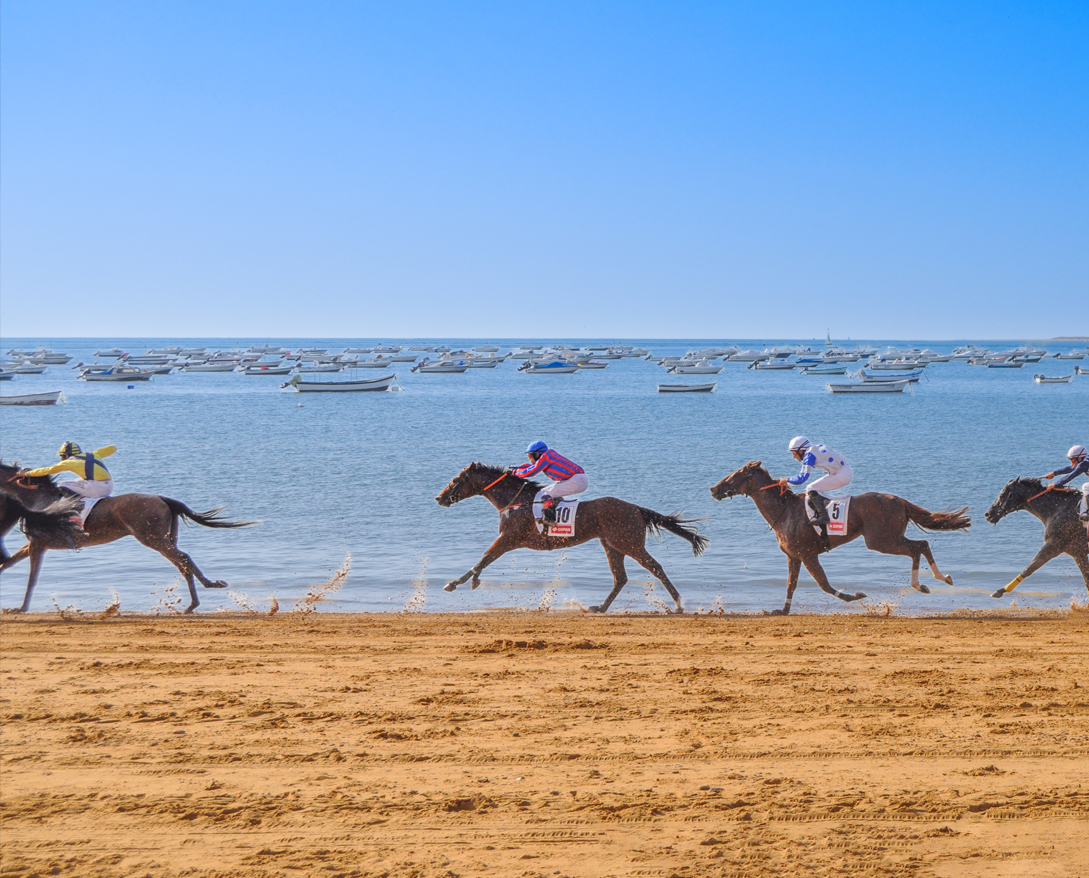
Jerez de la Frontera is ideally located, with the coast, countryside, and other Andalusian cities all close at hand. Nearby coastal towns such as Sanlúcar de Barrameda and El Puerto de Santa María are within a short drive, offering easy access to Atlantic beaches. The surrounding countryside is shaped by vineyards, many of which welcome visitors and feature estate restaurants. Nearby Cádiz adds a different dimension as Europe’s oldest continuously inhabited city, known for its historic center, plazas, and strong local character. Seville offers the scale of a larger Andalusian capital and is easily accessible for a day trip, just about an hour’s drive from Jerez.
World-Class Equestrian Heritage
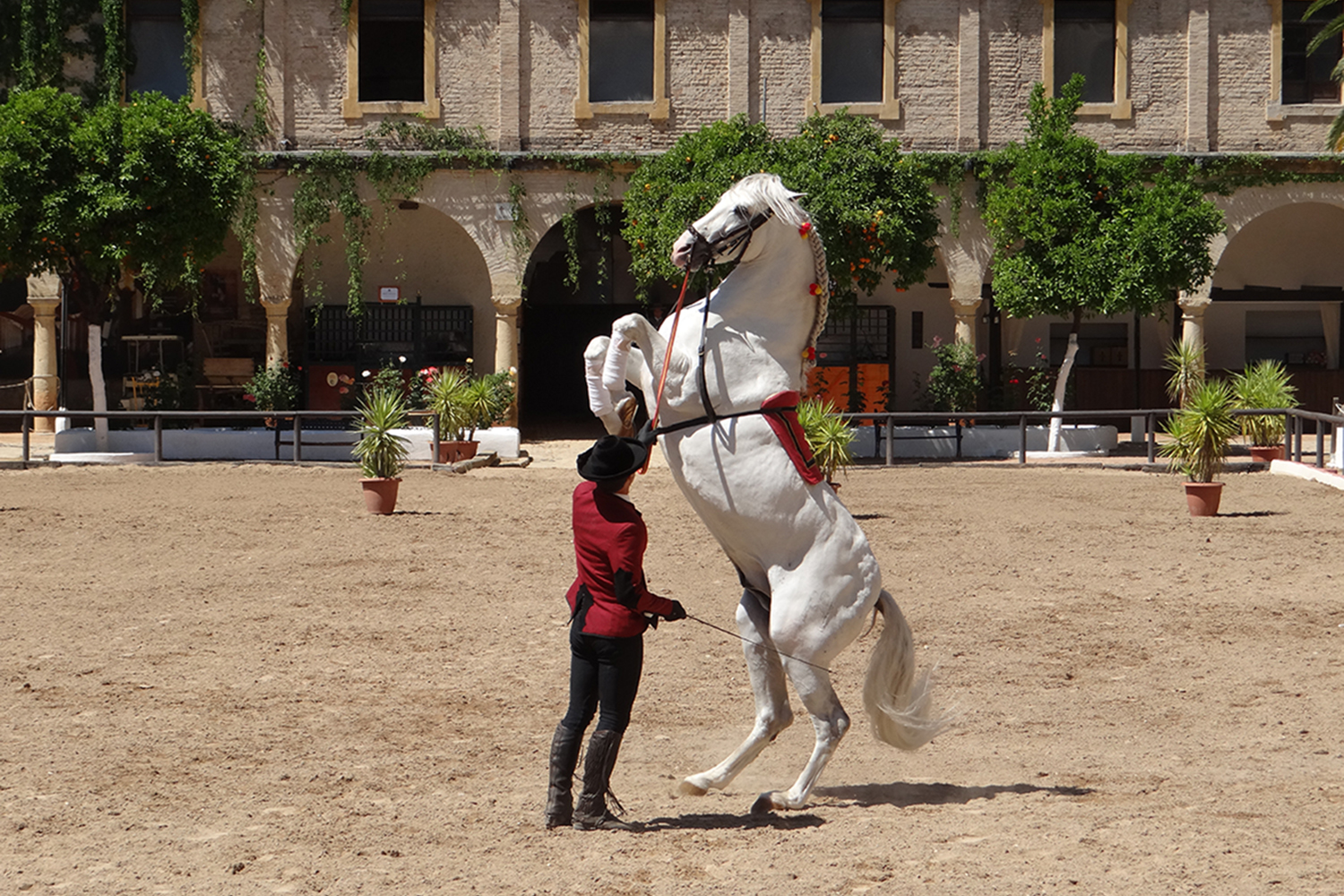
Few animals are as closely tied to a nation’s identity as the Andalusian horse is to Spain, and nowhere is that legacy more present than in Jerez de la Frontera. Bred here for centuries, with origins that predate Roman times, and later favored by European royalty, these elegant, powerful animals remain a lasting symbol of regional pride. In Jerez, this heritage is part of daily life. Horse-drawn carriages pass through the historic city center, and during Feria and other festivals, the streets fill with riders in traditional dress. Jerez is home to the Royal Andalusian School of Equestrian Art, where horses and riders are trained in precise, choreographed movements rooted in centuries-old practice.