

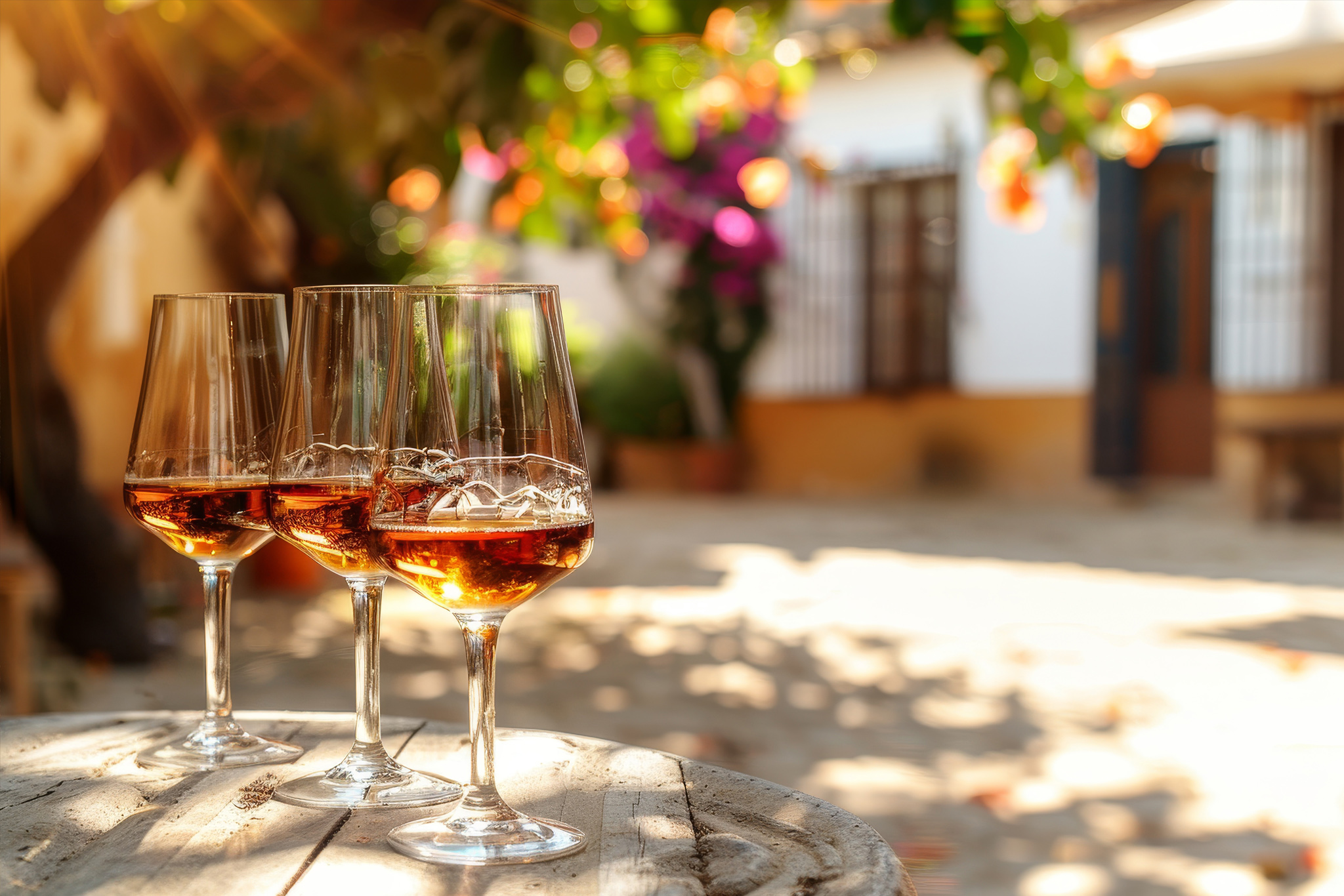
Across Europe, many of the great wines take their names not from a grape variety, but from the place they come from, where the land shapes both their identity and character. Well-known examples include Rioja in northern Spain, Sancerre in France’s Loire Valley, Barolo in Italy’s Piedmont, and Port from the city of Porto in northern Portugal.
In the far south of Spain is Jerez (pronounced “heh-RETH”), whose name, once written as Xeres, gave rise to the English word “sherry.” Its origins stretch back thousands of years, and in Spain, the name Jerez remains inseparable from the wine itself.
Ask most people about sherry, and they think of a forgotten bottle from decades past, far removed from the fresh, complex, and distinctive wines still being made in a small part of southern Spain today.
Our story of sherry unfolds in five parts:
1. Reimagine Sherry2. The Landscape3. Step Inside the Bodegas4. Learn the Styles5. Meet the New Generation
Reimagine Sherry
Spain’s most misunderstood wine
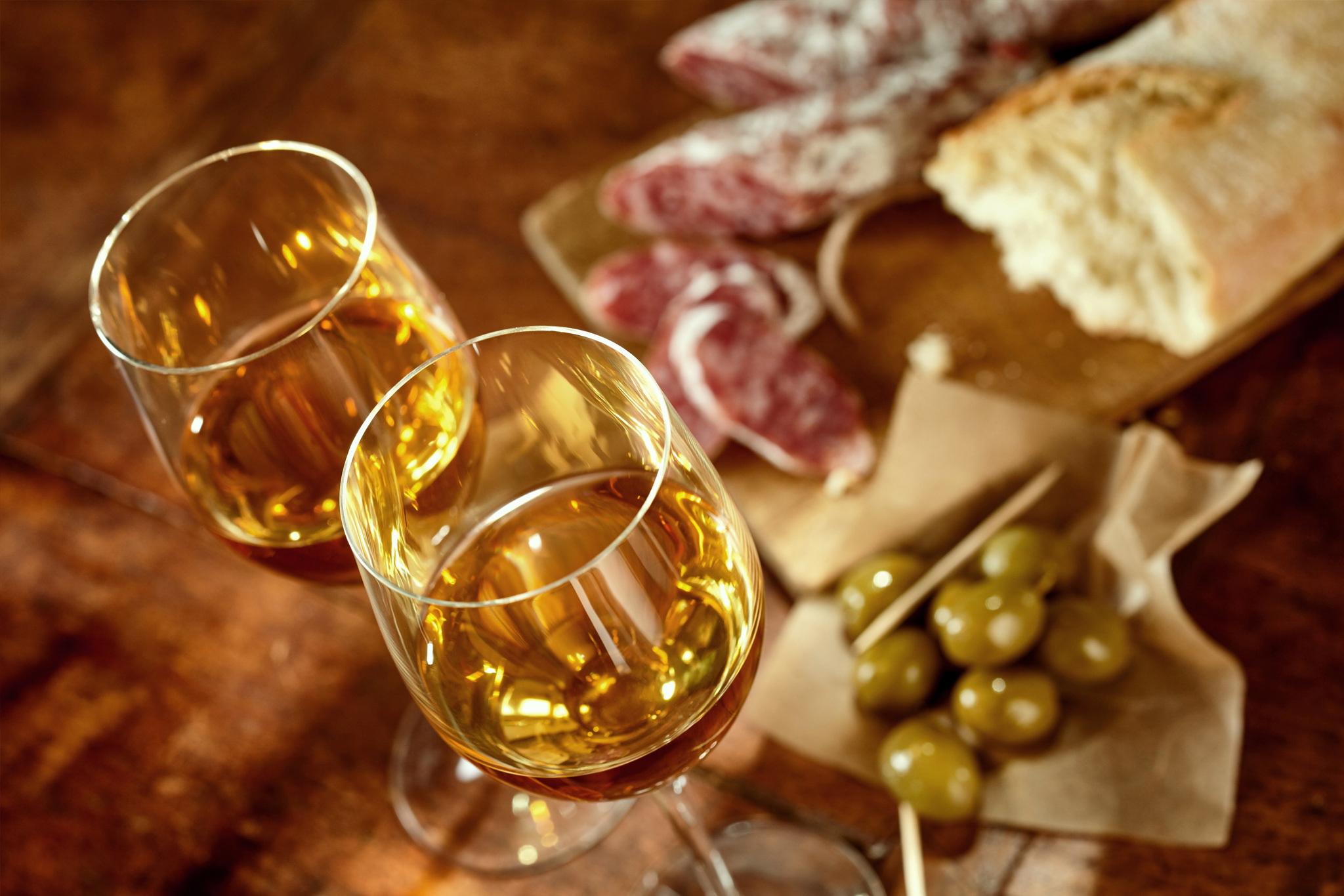
For much of the last century, Sherry’s international image was defined by its exports. By the 1970s, sweet “cream” Sherries had become household staples in Britain, while the crisp, dry styles enjoyed in Spain remained largely unknown. The legacy of that era still lingers, a misunderstanding that hides one of the world’s most distinctive wines.
Sherry is a fortified wine made from white grapes grown around Jerez. After fermentation, a small amount of brandy is added to strengthen and stabilize the wine before it enters the barrel for aging, a process that can last years, even decades.
At the center of this aging process is the solera system, a method unique to sherry, where younger wines are gradually blended with older ones across a series of barrels. The result is a wine defined by balance and consistency, with styles ranging from bone-dry and delicate to rich and sweet, and throughout Spain, it is commonly paired with dishes ranging from seafood and tapas to desserts and cheeses.
Sherry’s character, however, begins in the land itself, where soil, sunlight, and sea air come together to shape its identity.
The Landscape
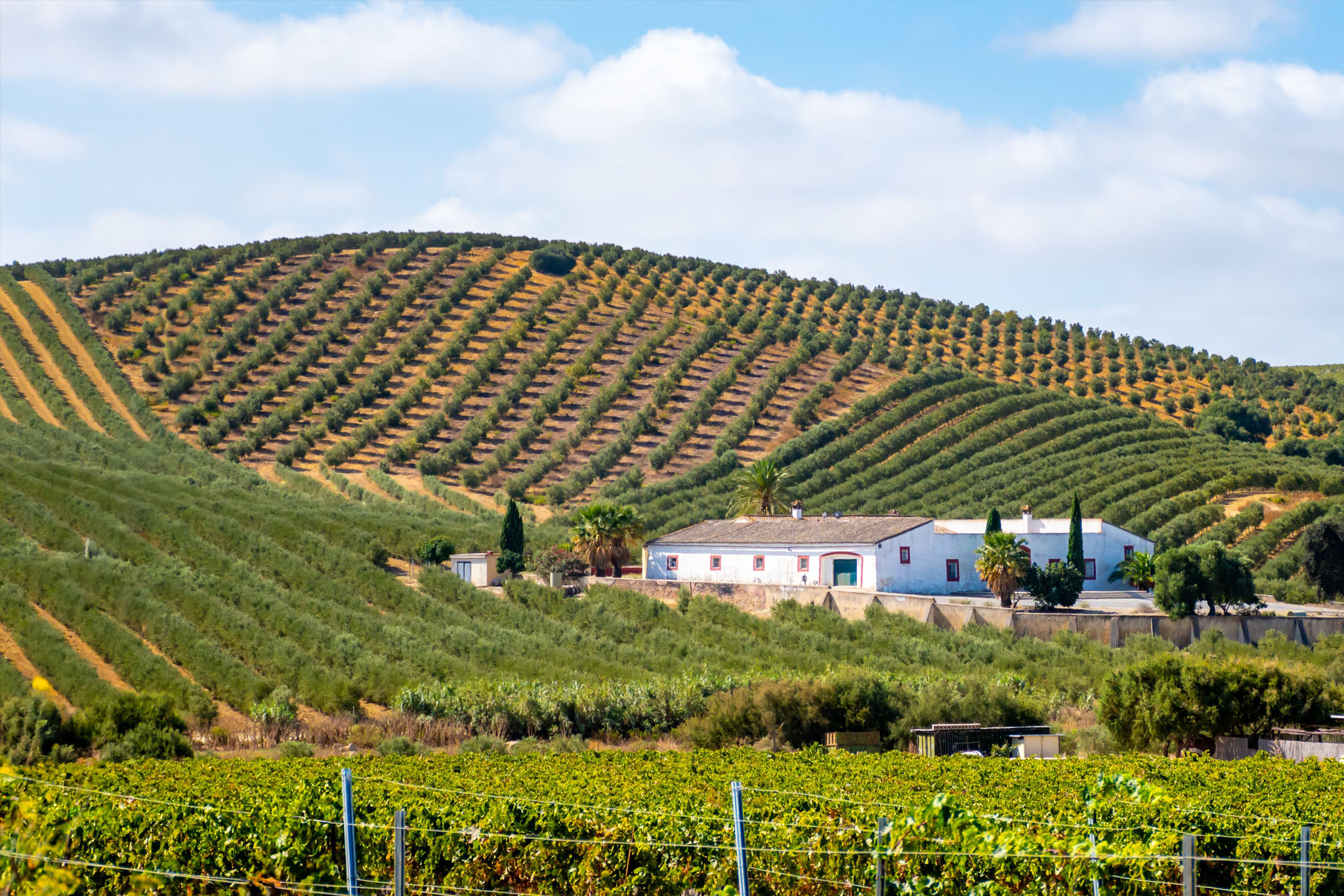
In the southernmost province of Andalusia is the region known as the Sherry Triangle. Defined by the cities of Jerez de la Frontera, Sanlúcar de Barrameda, and El Puerto de Santa María, this small area has shaped the production of sherry for centuries.
Today, it remains the only place where sherry can be produced.
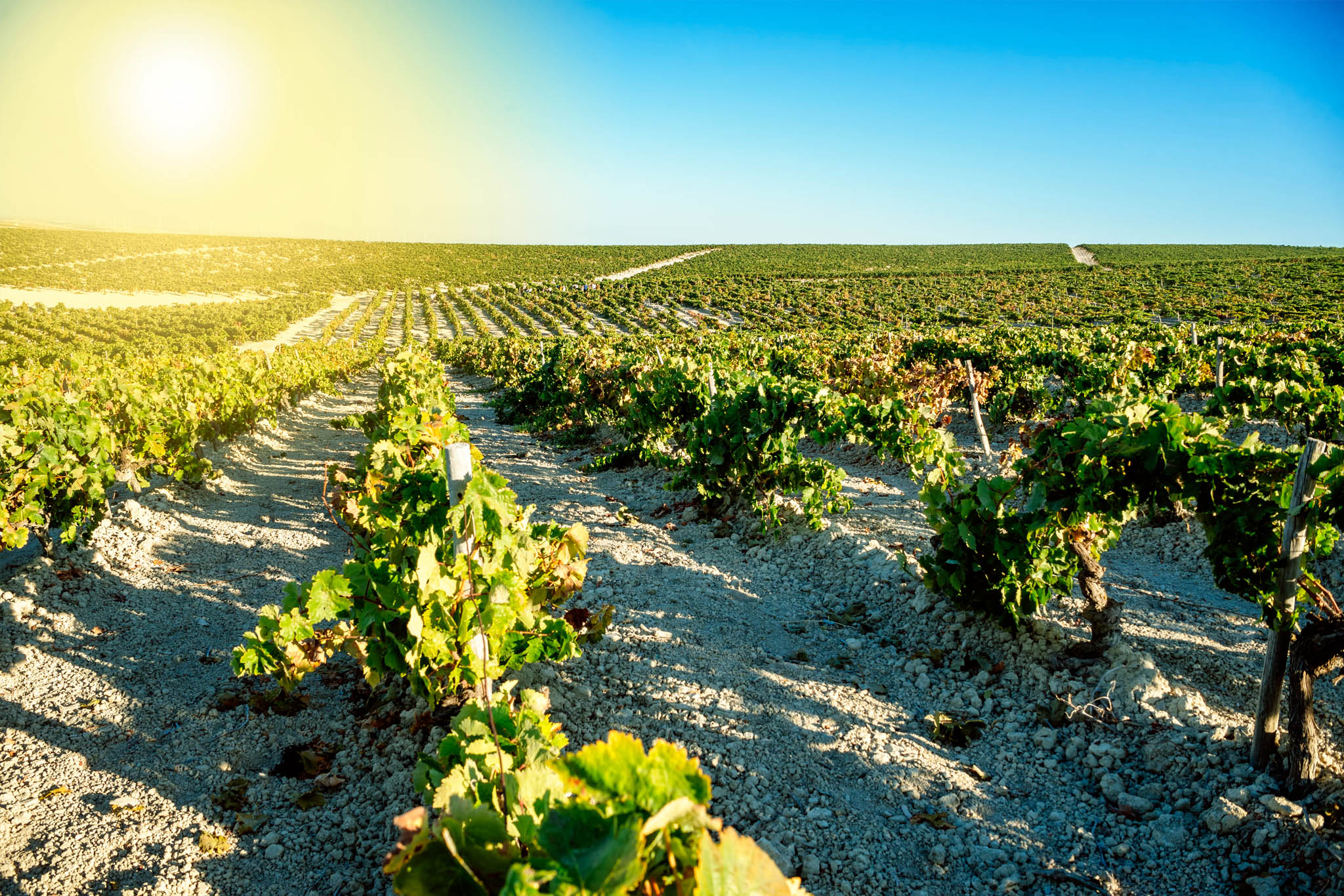
Its location just inland from the Atlantic coast creates a balance of warm sunlight and cooling ocean air, well suited to growing the white grapes used in sherry.
The area’s defining feature is its chalky white albariza soil, formed from ancient marine sediment. Light and porous, it acts as a natural reservoir, absorbing winter rains and gradually releasing moisture through the long, dry summers. This combination of soil and climate shapes the character of the wine long before it reaches the cellar.
From the vineyards, the process moves to the bodegas, the large wine cellars where sherry is aged and developed over time.
Step Inside the Bodegas
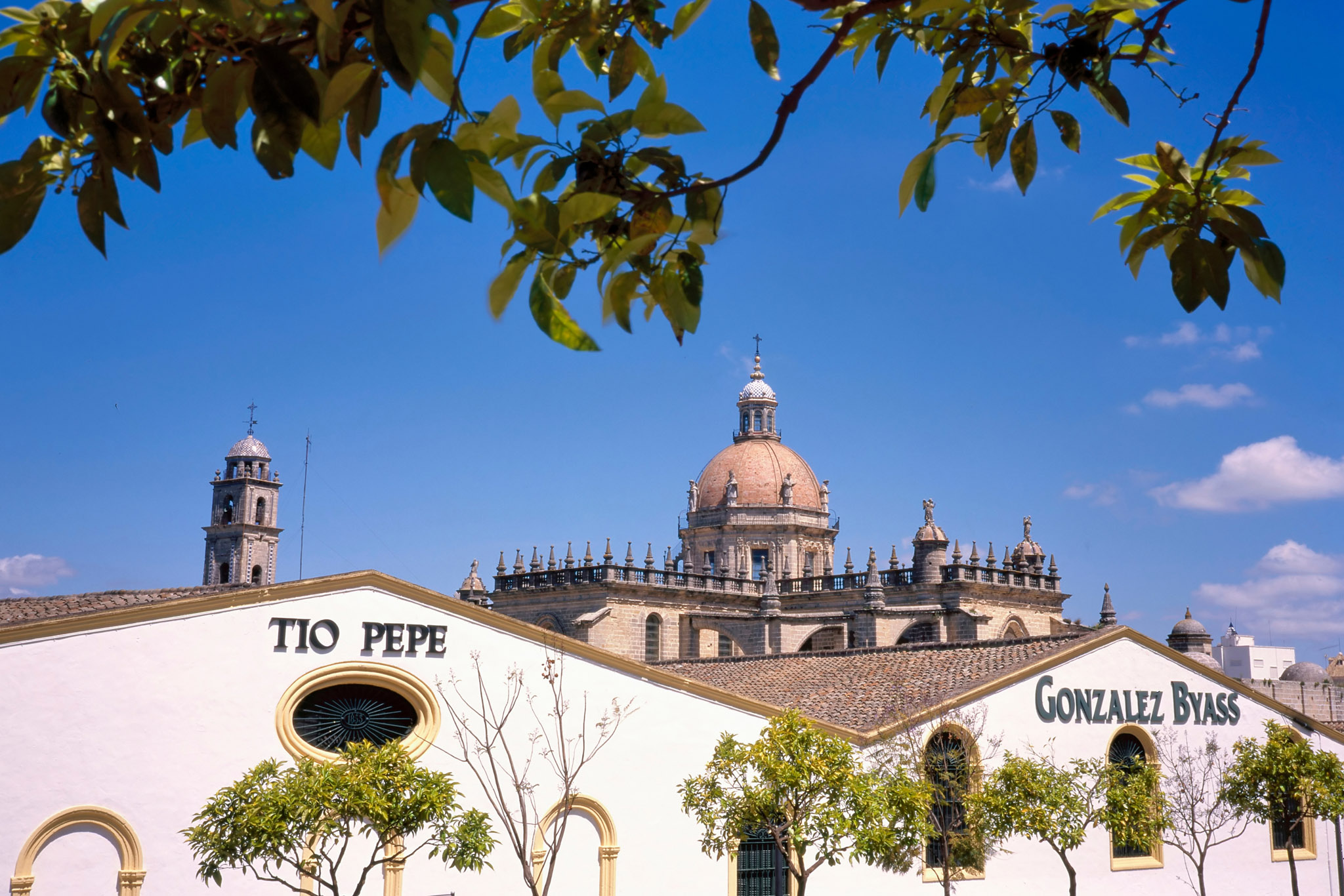
Bodegas: the soaring cellars that define the cityscape of Jerez
Across Jerez and the neighboring towns of the Sherry Triangle, the bodegas, vast, whitewashed wine cellars, are a defining part of the landscape, alongside church spires and plazas. Many date back to the 18th and 19th centuries and were designed with high vaulted ceilings, sand-covered floors, and latticed windows to regulate temperature, light, and airflow.
Inside, rows of barrels sit in low light, where sherry is aged gradually over time.
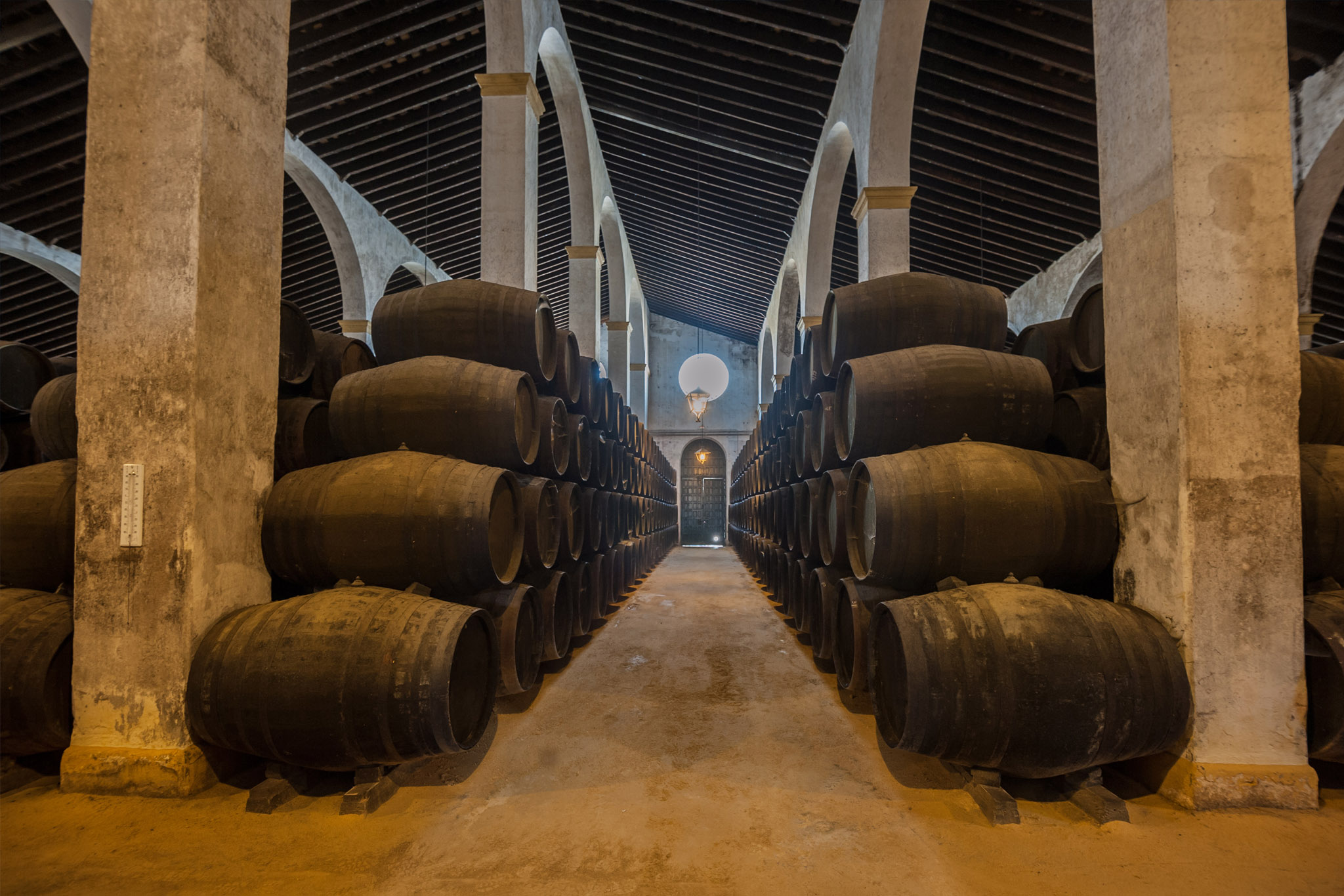
Today, many bodegas are open for tastings, tours, and cellar visits, offering a closer look at how sherry evolves from barrel to glass.
The region includes both family-run houses, such as Valdespino and Bodegas Hidalgo La Gitana, and larger historic producers like González Byass, Lustau, and Osborne. Some, such as Tío Pepe in Jerez and Osborne in El Puerto de Santa María, have expanded into hotels and restaurants, where their wines are served alongside Andalusian cuisine.
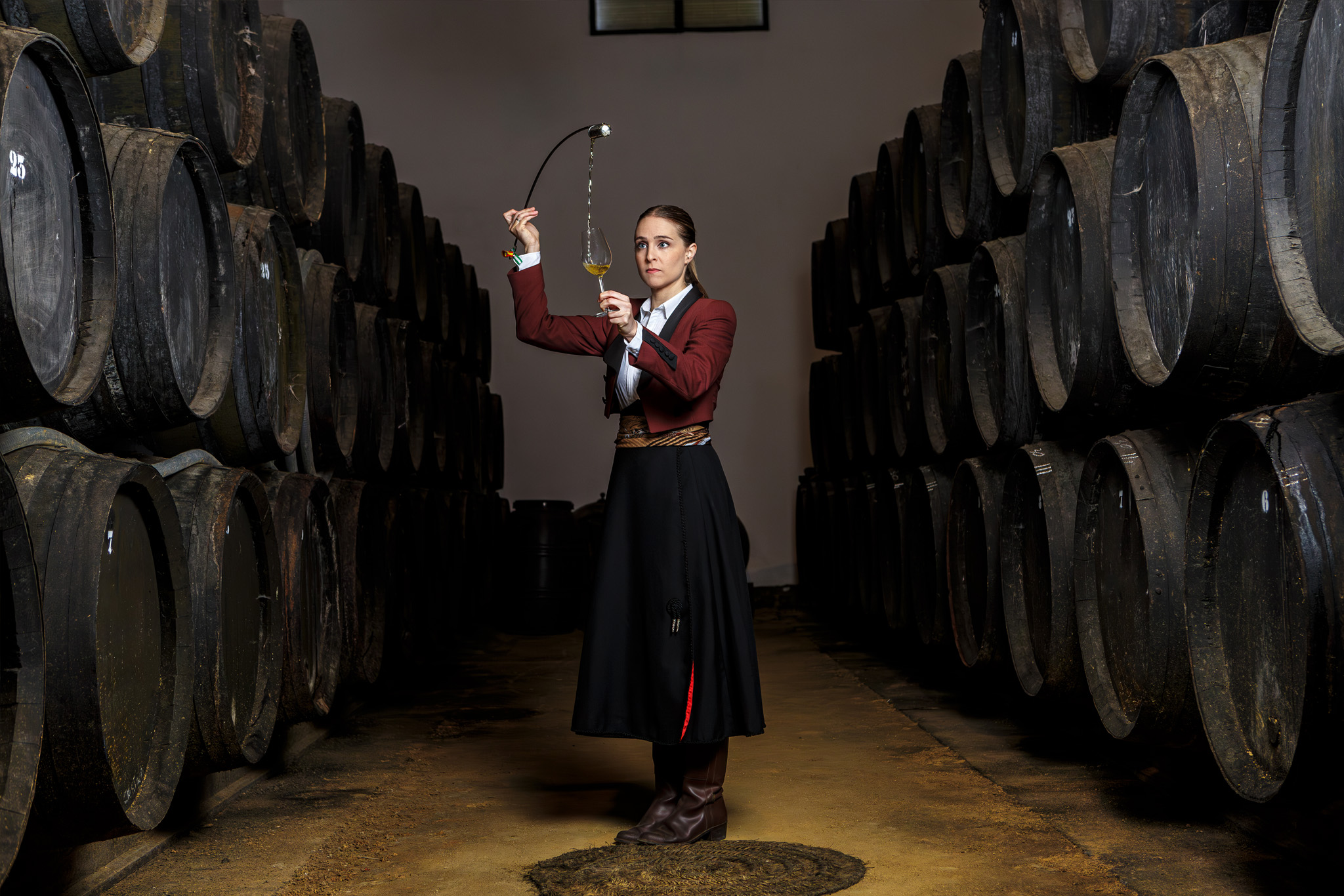
From small cellars to global producers, each bodega plays a role in maintaining this tradition.
That tradition is visible in the architecture, from vaulted ceilings rising over rows of oak casks to the practice of drawing wine directly from the barrel using a venencia, a narrow metal cup attached to a flexible rod.
The work within these cellars gives rise to a wide range of wines, each expressing a different side of sherry’s character.
Learn the Styles
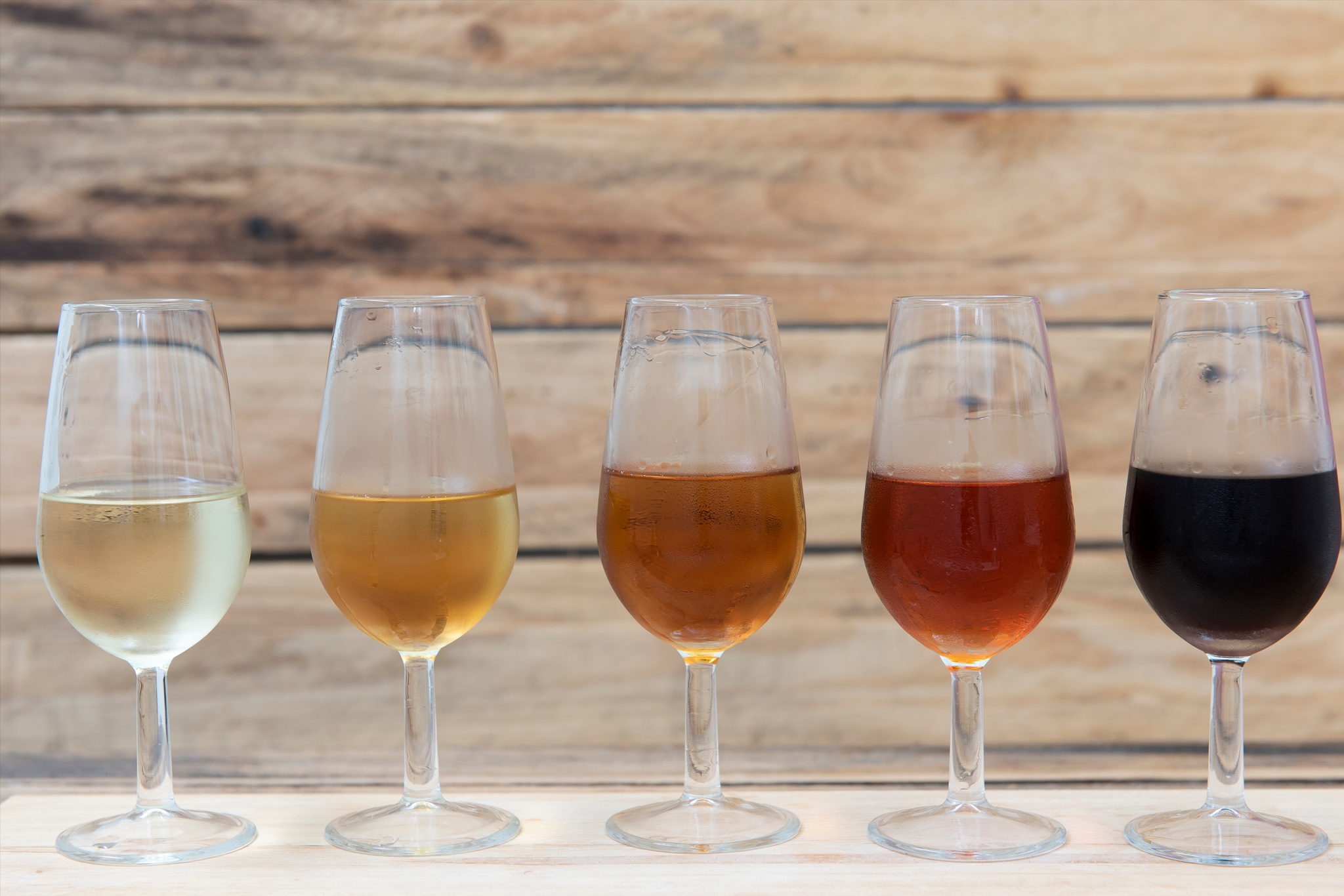
From crisp Fino to velvety Pedro Ximénez, Sherry has remarkable range and versatility
For much of the last century, however, it was the sweeter end of this spectrum, shaped by export markets like the UK, that traveled widely, leaving the dry styles of southern Spain largely overlooked.
Sherry’s diversity is one of its defining strengths. While all styles begin with the same white grapes, the way they are aged determines their character, flavor, and color. The spectrum runs from pale and bone-dry to dark and rich, each with its own place at the table.
Fino is the driest and most delicate, aged under a layer of yeast called flor that protects it from oxygen. It’s light, crisp, and best served chilled, a natural match for seafood and tapas.
Manzanilla is produced only in the coastal town of Sanlúcar de Barrameda. It shares Fino’s freshness but carries a faint saline edge from its seaside environment.
Amontillado begins life as a Fino but continues aging once the flor fades, developing a nutty, amber character.
Oloroso is aged entirely without the protective flor, allowing slow oxidation that deepens color and flavor, producing a fuller, richer wine.
Pedro Ximénez (PX) and Moscatel are the sweetest styles, made from sun-dried grapes that yield wines as dark as molasses, with notes of figs, dates, and caramel.
Traditionally served in small, tulip-shaped copitas, sherry is poured in modest measures to stay cool and aromatic, and to suit its naturally higher strength.
Few wines cover such a wide spectrum of flavor and texture, a diversity now driving renewed interest as a new generation reinterprets a centuries-old craft.
Meet the New Generation
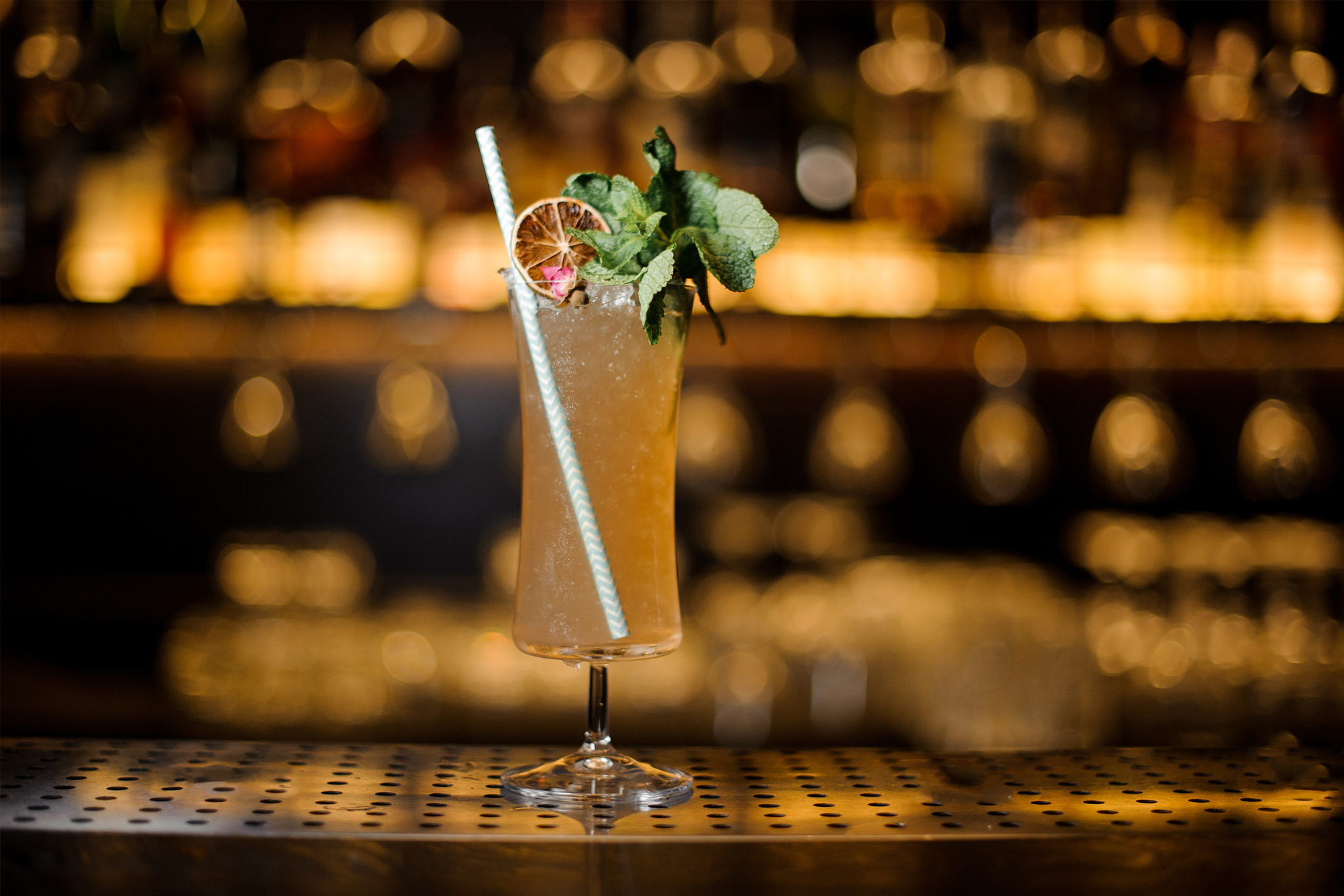
How winemakers, chefs, and producers are rethinking sherry while building on long-standing traditions
A shift is taking place across the Sherry Triangle. In recent years, a new generation of winemakers, restaurateurs, and entrepreneurs has begun to present sherry in a different light, not as something of the past, but as a wine with range and place in contemporary culture. Their approach balances respect for tradition with new ideas around sustainability, presentation, and how sherry is experienced today.
Producers such as Ramiro Ibáñez of Cota 45 and Willy Pérez of Bodegas Luis Pérez are focusing on single-vineyard bottlings that highlight the character of the region’s albariza soils. Others are revisiting older methods and local grape varieties once set aside during periods of large-scale production. At the same time, the culinary scene has evolved alongside them, with bars and restaurants across Spain incorporating sherry into modern menus, from dry Finos with seafood to sweet PX with chocolate and citrus.
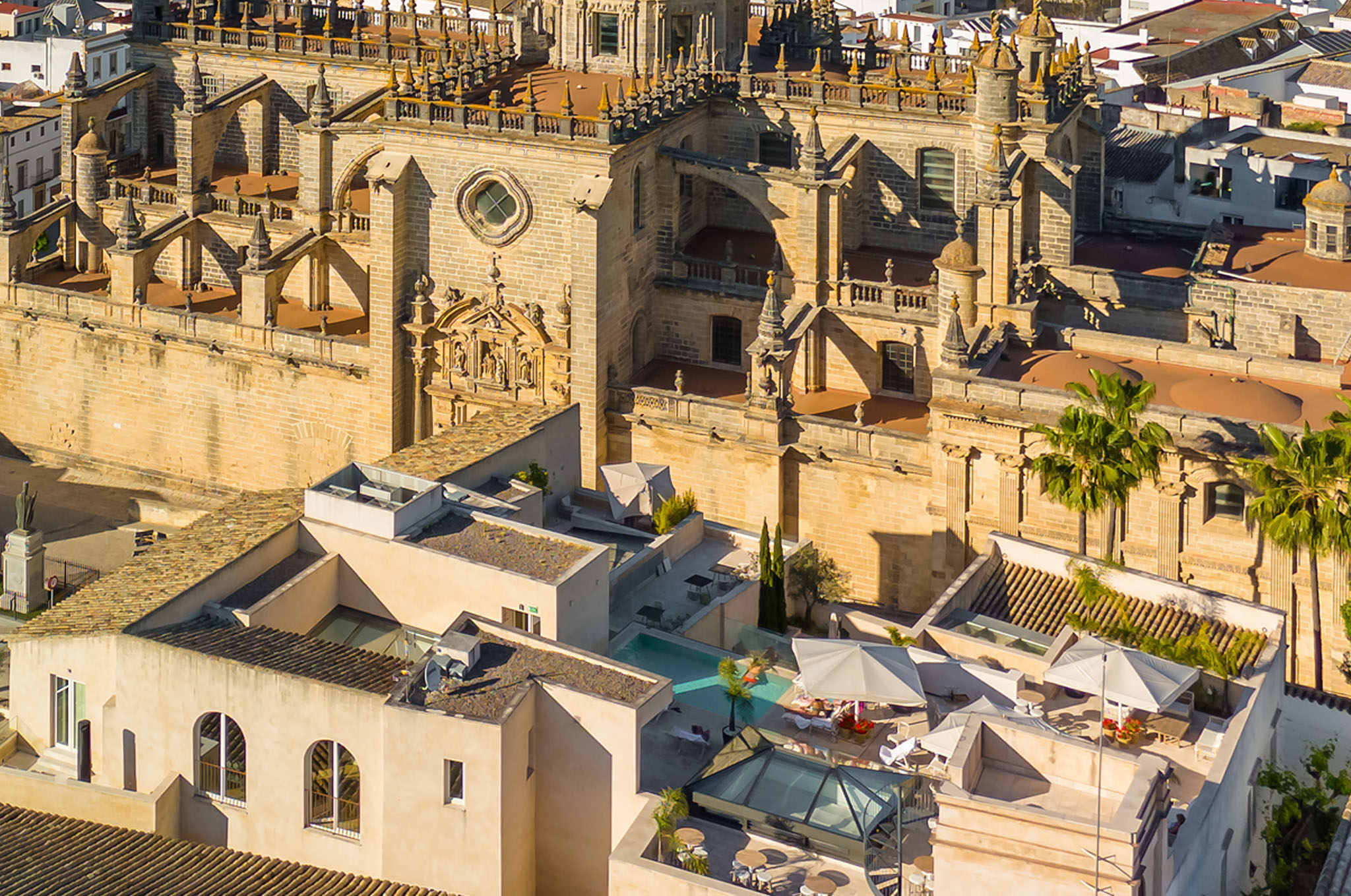
Beyond the glass, Sherry’s story is reaching a wider audience through design, hospitality, and experience. From the Tío Pepe Festival in Jerez, which brings together music and gastronomy, to curated tastings that attract travelers from around the world, Sherry is being encountered in new ways. Contemporary hospitality spaces, such as the rooftop terrace at the Hotel Bodega Tío Pepe (pictured), offer elevated settings from which to experience the city, framing historic cellars and the surrounding skyline.
Today, the influence of Jerez reaches beyond Spain’s borders. Local cooperages such as Páez Morilla prepare and season sherry casks that are shipped to whiskey makers from Scotland to Ireland. Even Jameson Irish Whiskey matures portions of its spirit in Jerez barrels.
Few wines connect past and present as seamlessly as Sherry. Rooted in centuries of craft yet open to reinvention, it remains one of Spain’s most enduring and evolving expressions of place.