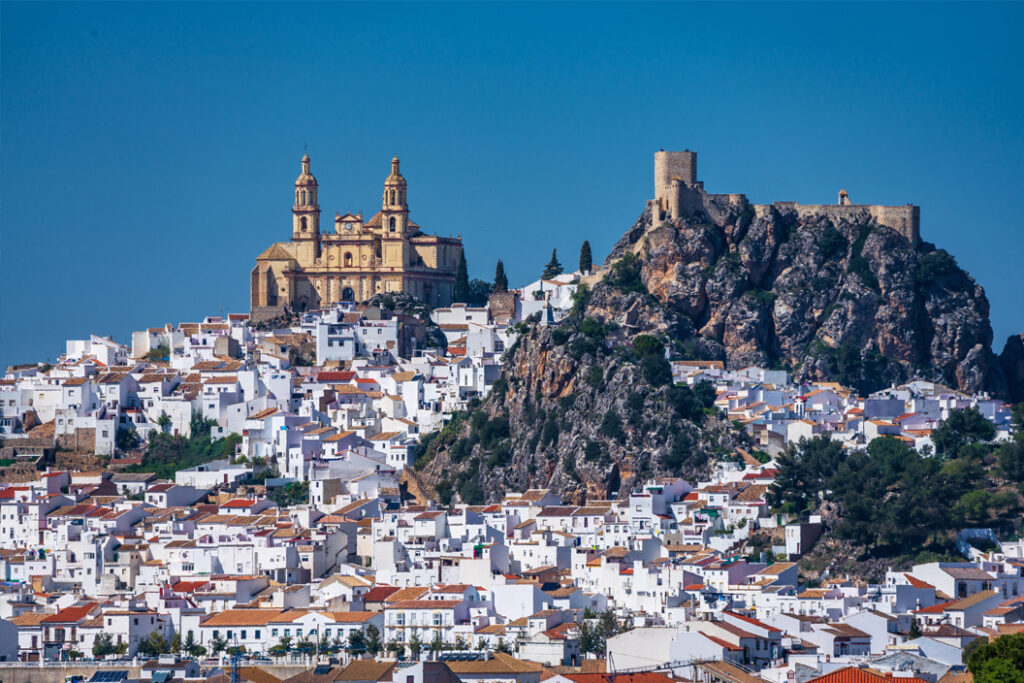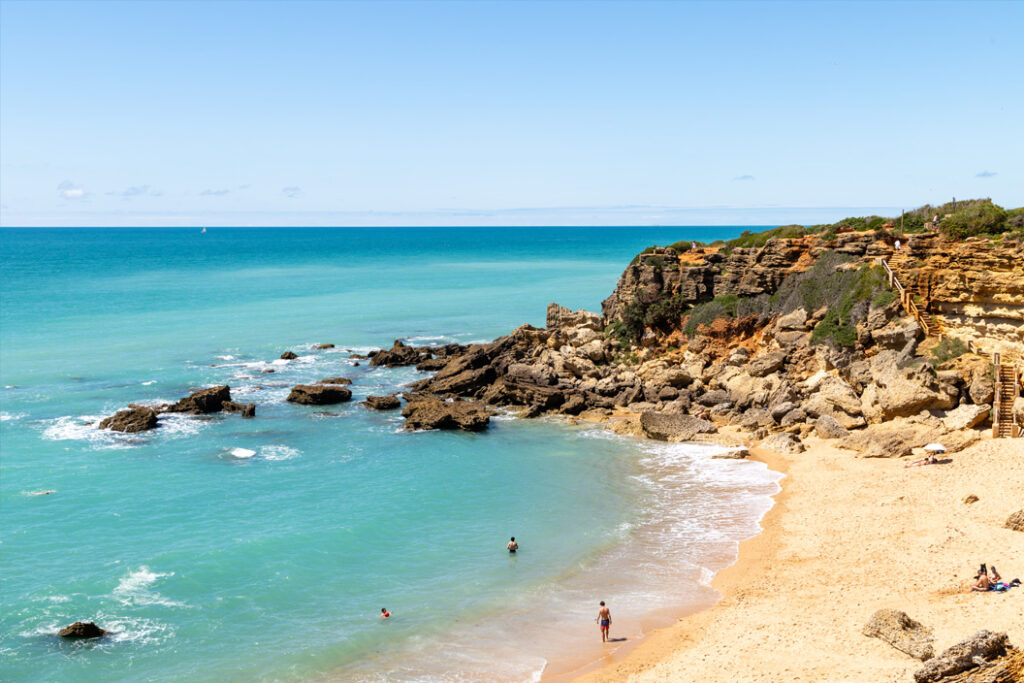


Spain is often understood through a familiar lens: Madrid, Barcelona, and the islands. Yet the country’s richness extends far beyond these well-known places. The country is organized into 17 autonomous communities, or regions, each divided into provinces with distinct histories, customs, and ways of life.
In the south, Andalusia stands as one of Spain’s most expansive and layered regions, defined by geography, history, and deeply rooted traditions. Its climate, agricultural heritage, and cultural influence have played a central role in shaping the nation’s identity. Several of the traditions most closely associated with Spain trace their origins here, including olive oil production, tapas, jamón ibérico, flamenco, and the Andalusian horse.
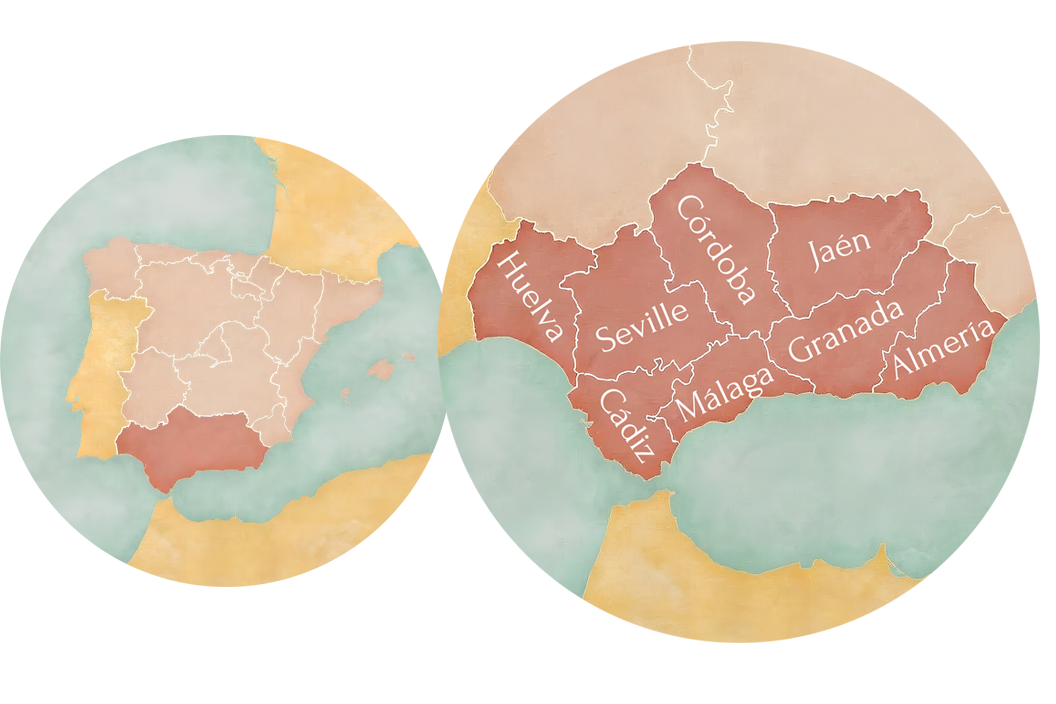
Divided into eight provinces, the region is not experienced as a single place but as a collection of distinct territories, each with its own character and landscape.
In this guide, each province is highlighted through its namesake capital city and the wider territory beyond, offering a view of how each shapes the region.
Seville
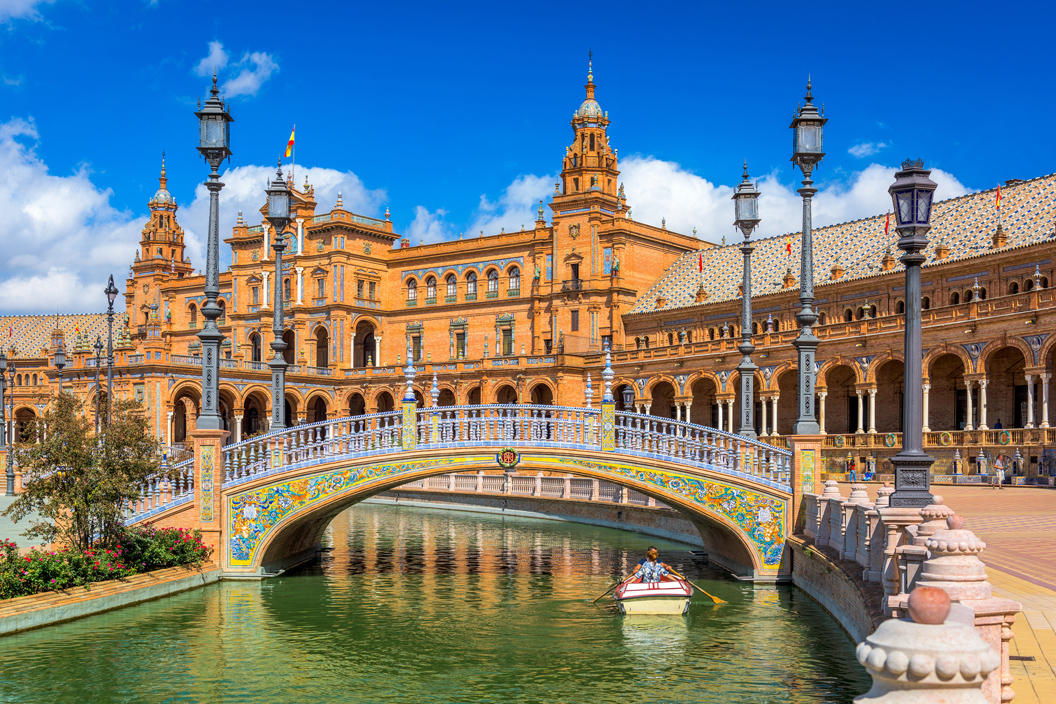
Seville: Home to Spain’s largest historic old town and the capital of Andalusia, shaped by centuries of political and cultural prominence
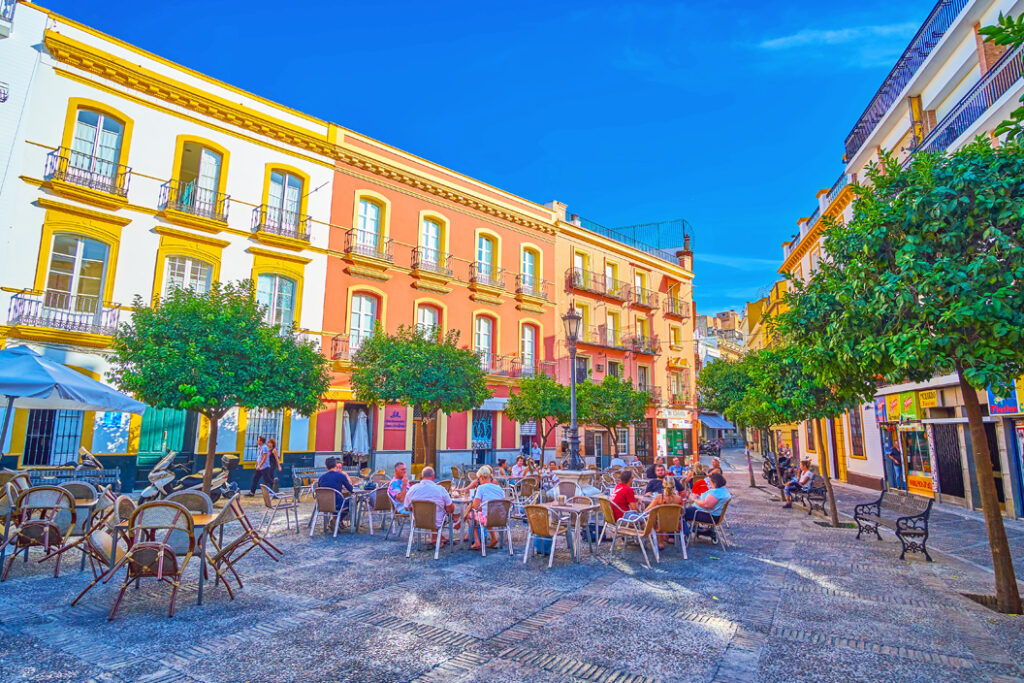
The province is best known for its capital of the same name, which continues a long history as the seat of Andalusia’s regional government. Home to Spain’s largest continuous historic old town, Seville’s palaces, religious complexes, civic buildings, and formal gardens extend across adjoining districts, reflecting centuries of urban development from the 12th through the 17th centuries.
Beyond the capital city, the province opens into wide agricultural plains shaped by the Guadalquivir River and its tributaries. Olive groves and citrus orchards dominate the landscape, forming one of Andalusia’s most productive farming areas.
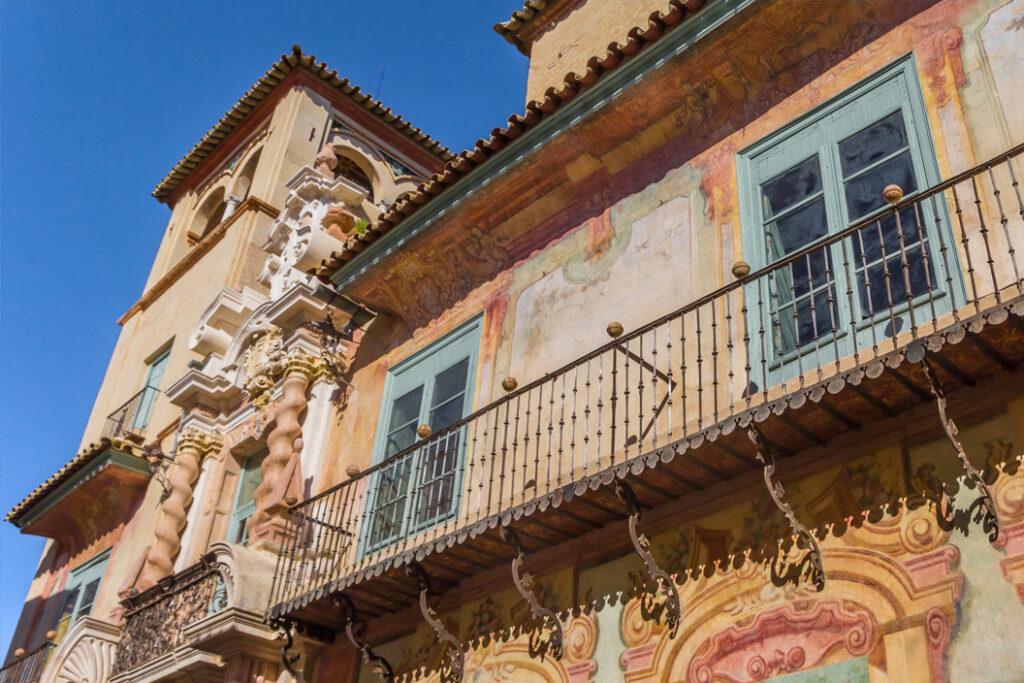
A network of historic towns anchors this territory, including Carmona, set above the plains, and Écija, with its striking Palacio de Penaflor (pictured). Long connected to agriculture and regional trade, these towns continue to serve as local centers for the surrounding countryside.
Huelva
Huelva: An Atlantic province defined by protected landscapes, culinary traditions, and its role as a departure point for early voyages to the Americas
Located in the westernmost part of Andalusia, Huelva Province borders Portugal to the west and the Atlantic Ocean to the south, where water and protected land have shaped the province more than urban expansion.
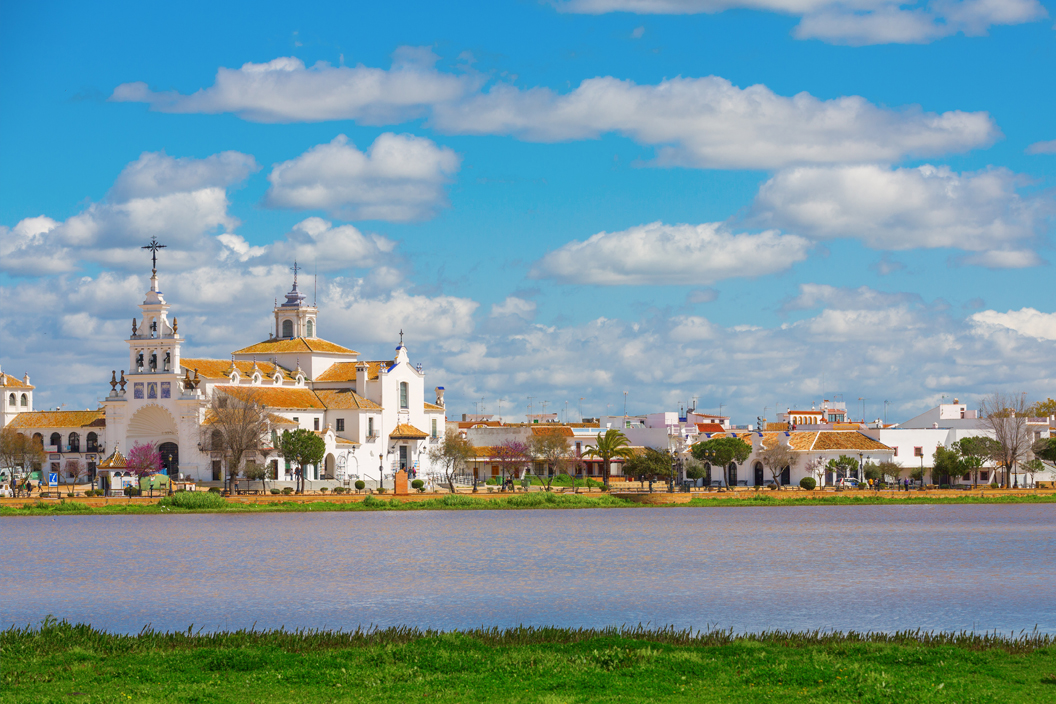
The capital city of Huelva is a compact, port-oriented city. Beyond the capital, Huelva Province is home to Doñana National Park, one of Europe’s most significant protected wetland ecosystems. Towns such as El Rocío (pictured), located at the edge of the park, illustrate how settlement has evolved in a relatively dispersed pattern, leaving long stretches of interior land in a natural state and much of the coastline largely undeveloped, accessible only by boat or on foot.
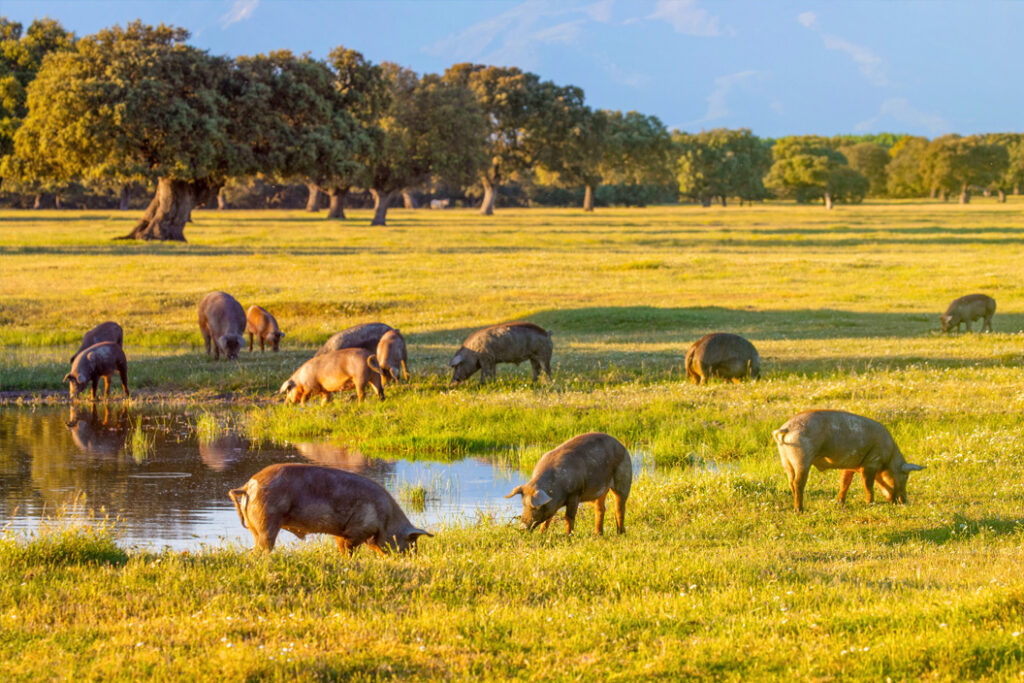
In the inland highlands, the Huelva province is internationally recognized for Jabugo ham, a protected designation of origin (PDO) Jamón Ibérico produced from free-range Iberian pigs raised in open oak woodlands and cured using long-established local methods.
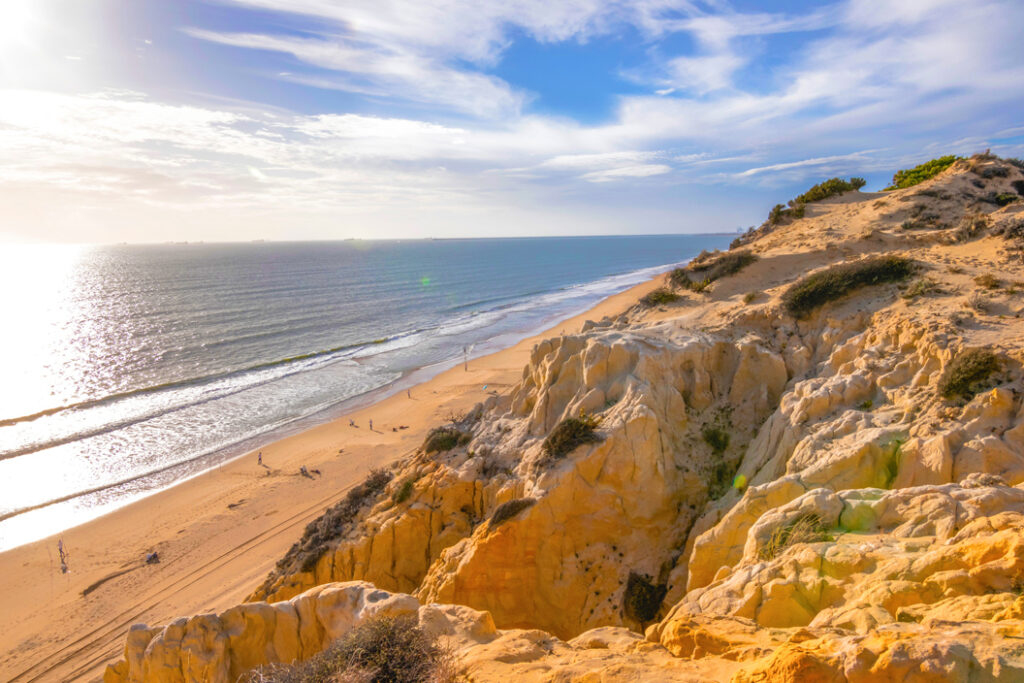
Córdoba
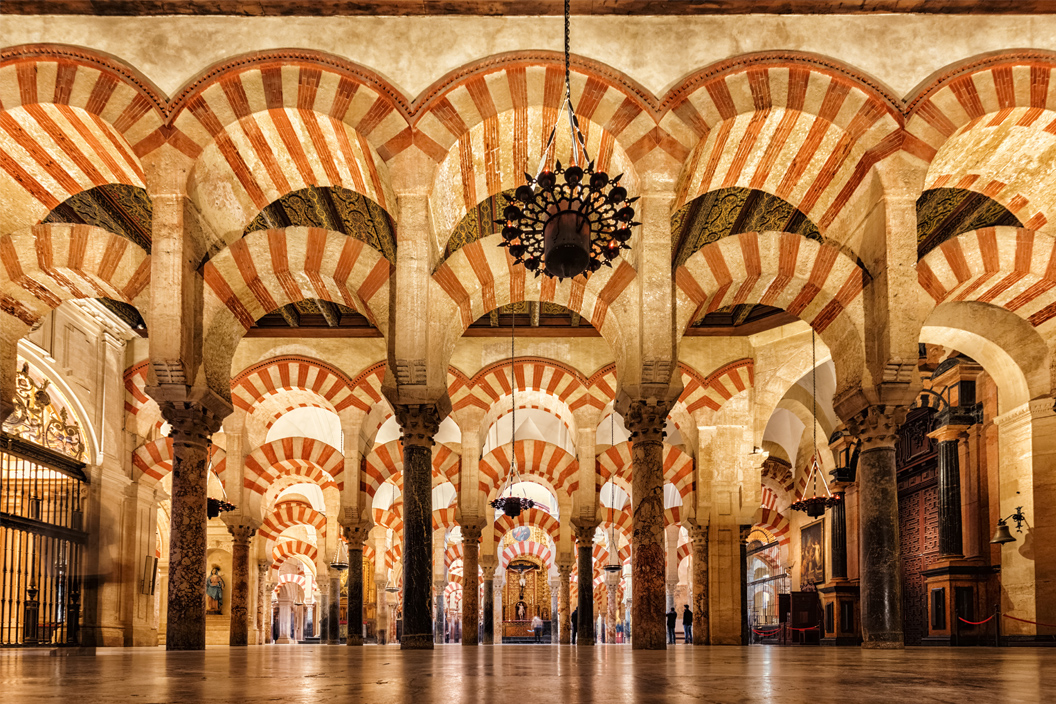
Córdoba: An interior province defined by Roman and Islamic legacies, centered around one of Europe’s most significant historic cities
Located in the interior of Andalusia, Córdoba Province stretches across broad plains and rolling countryside shaped by the Guadalquivir River. With a more continental climate than the coastal provinces, the landscape is defined by agricultural land, olive groves, and historic settlements. Much of the countryside is organized around small towns closely tied to farming and seasonal work, such as Priego de Córdoba and Montilla.
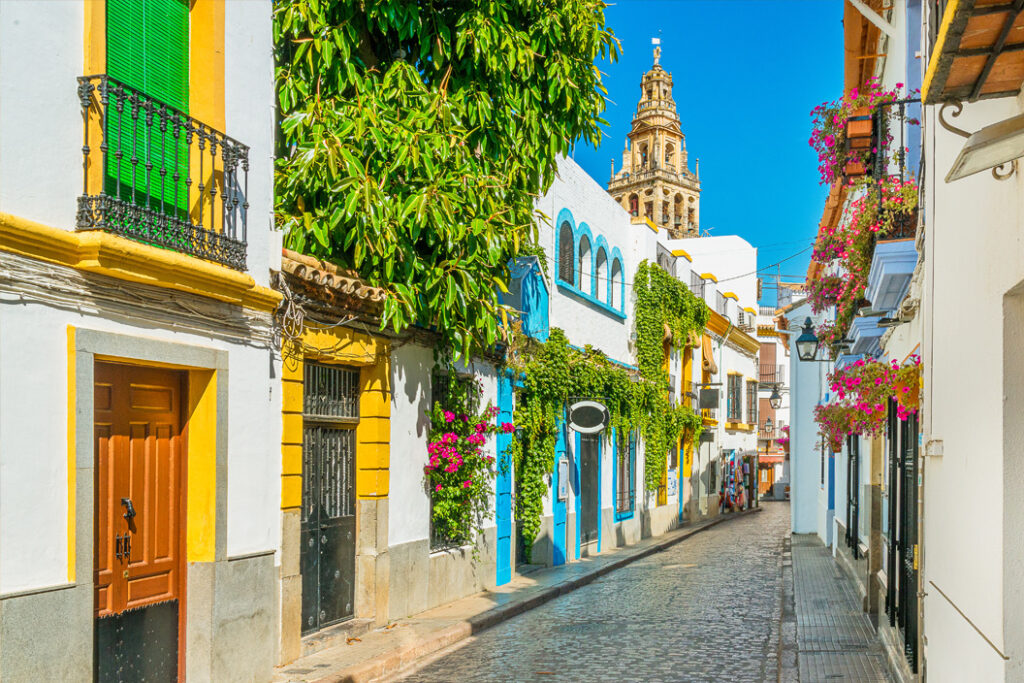
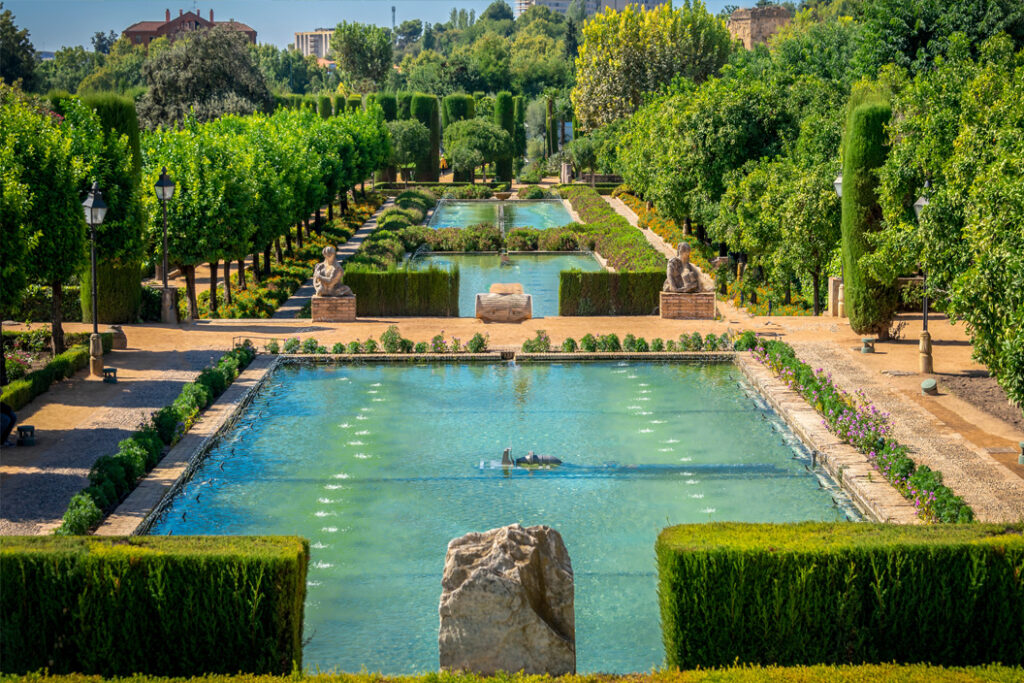
The capital, Córdoba the city, is organized around one of the largest historic centers in Europe, with Roman foundations alongside Islamic and later Christian urban development. This rich history is clearly seen in Mezquita-Catedral de Córdoba, a UNESCO World Heritage Site originally built as a mosque and later consecrated as a cathedral.
Granada
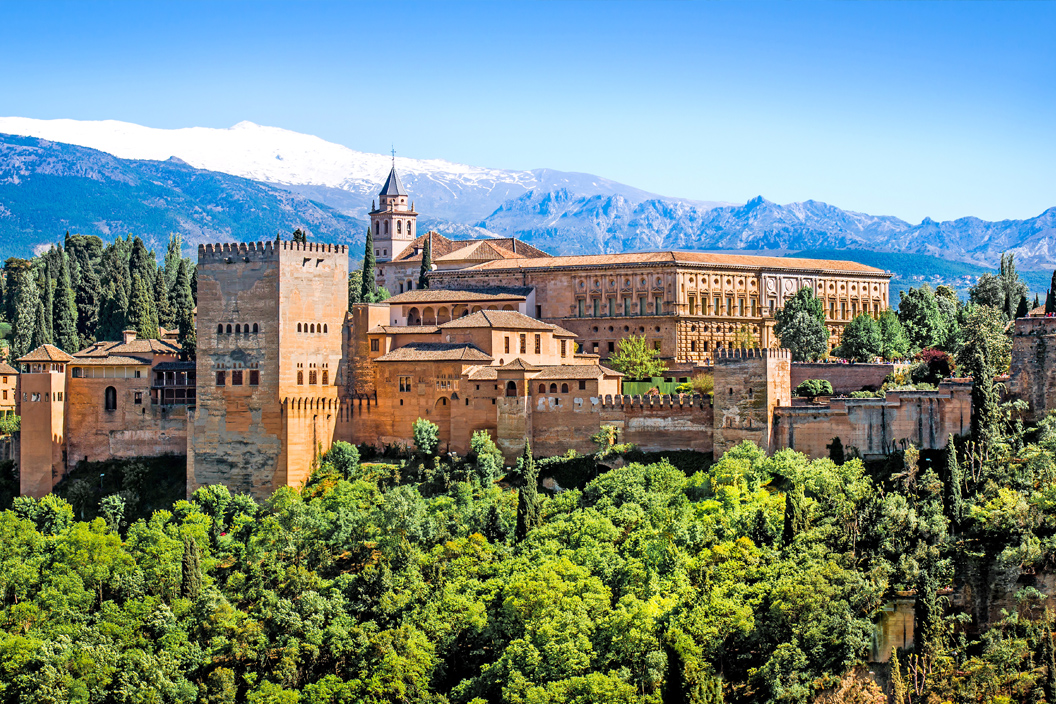
Granada: A province where Europe’s southernmost ski resort sits within reach of the Mediterranean coast, shaped by its Moorish architectural legacy
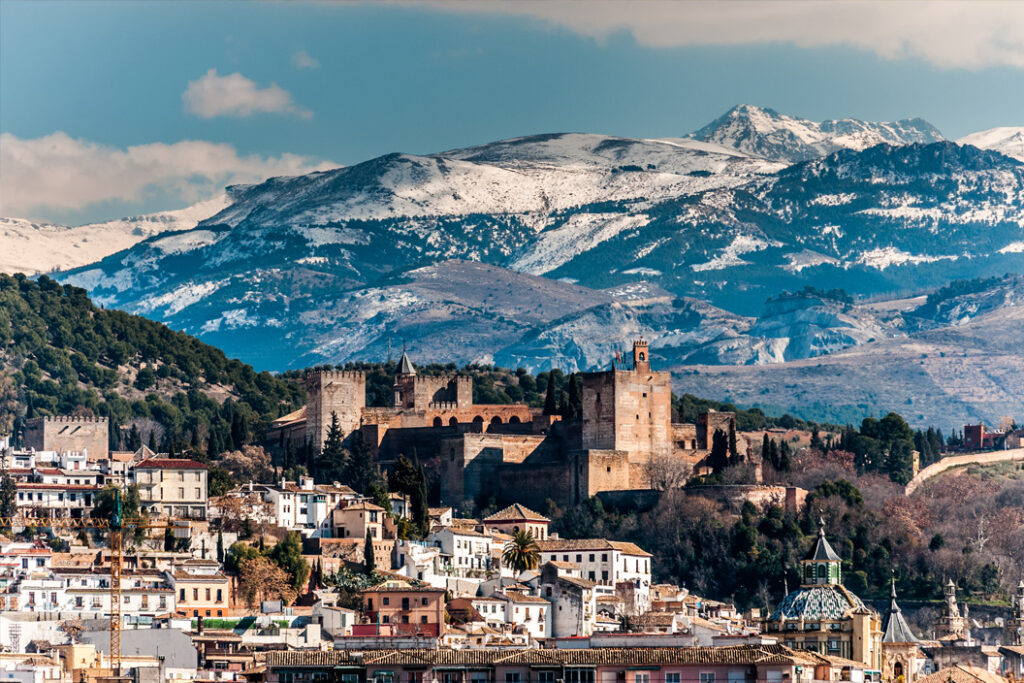
Located in eastern Andalusia, Granada Province stretches from high mountain terrain, including Andalusia’s only ski resort to fertile plains and Mediterranean coastline, making it one of the region’s most geographically varied provinces.
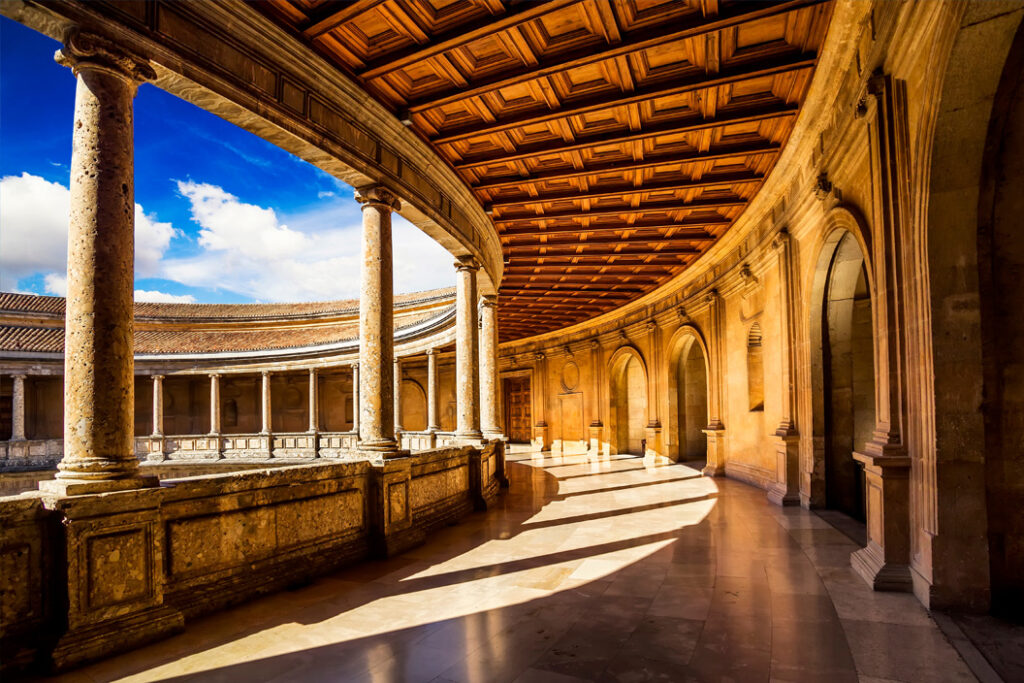
At the center of Granada city stands the Alhambra, a UNESCO World Heritage Site and one of Europe’s most significant architectural complexes. Built as a fortified palace and seat of power, its courtyards, carved stonework, and layered structures reflect the Moorish influence that has shaped Granada over centuries. Residential neighborhoods extend across surrounding hillsides and valleys, including Sacromonte, where flamenco traditions remain closely tied to place and community through performances held in historic cave dwellings and open hillside settings.
Jaén
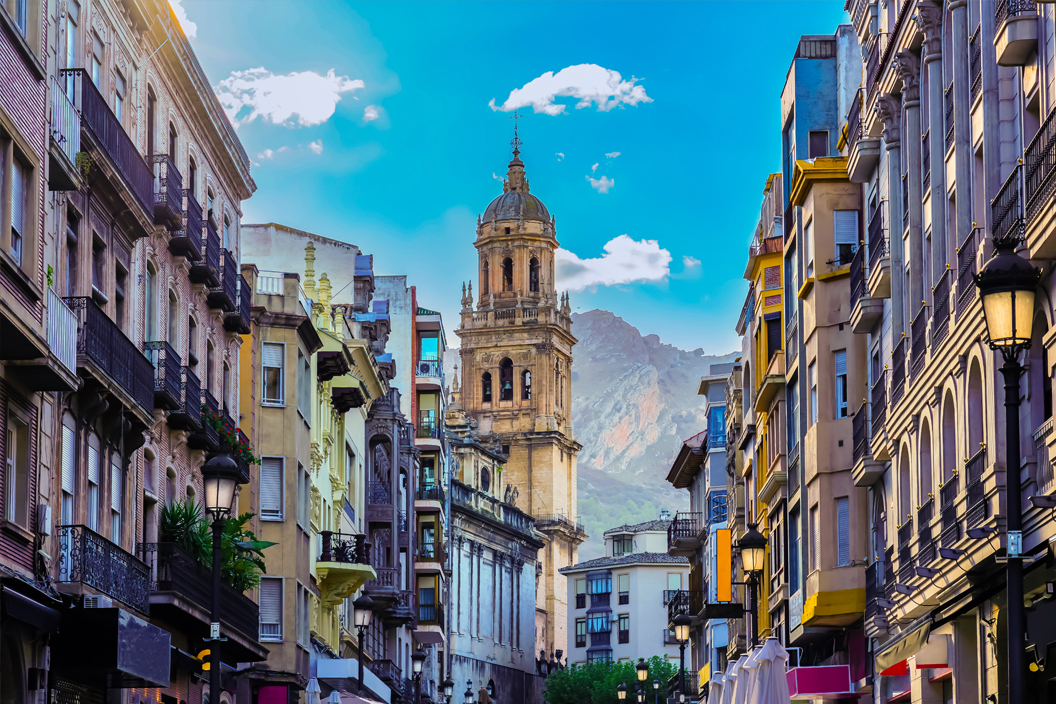
Jaén: The world’s largest producer of olive oil, anchored by historic hill towns and protected natural parks
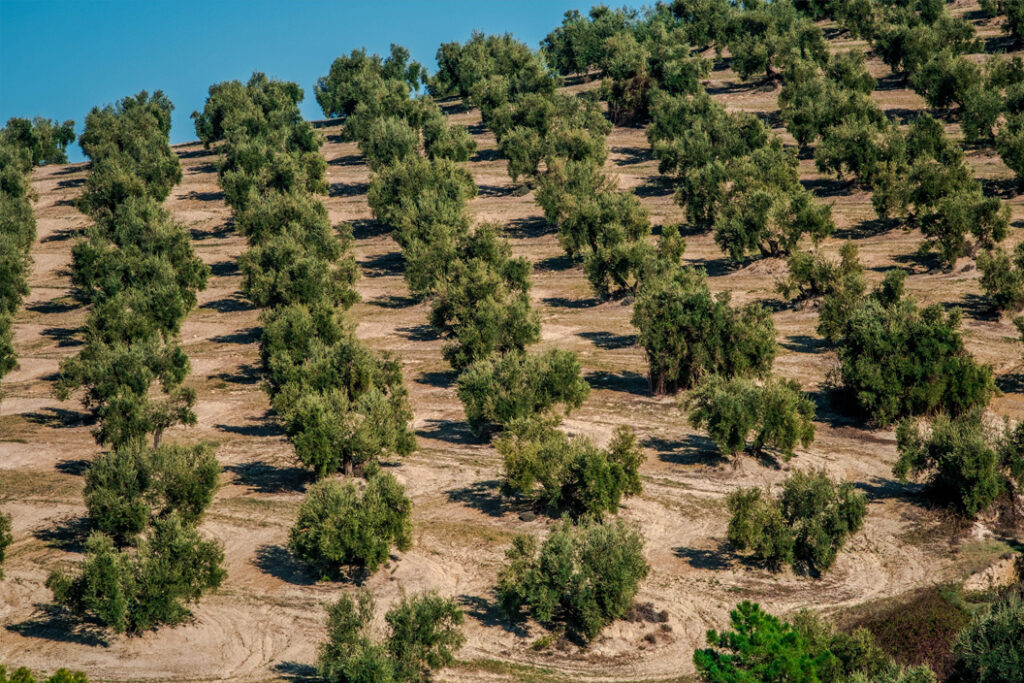
Andalusia produces roughly one-third of the world’s olive oil, with the large majority coming from Jaén, where extensive olive groves shape the province’s hills, valleys, and rural towns.
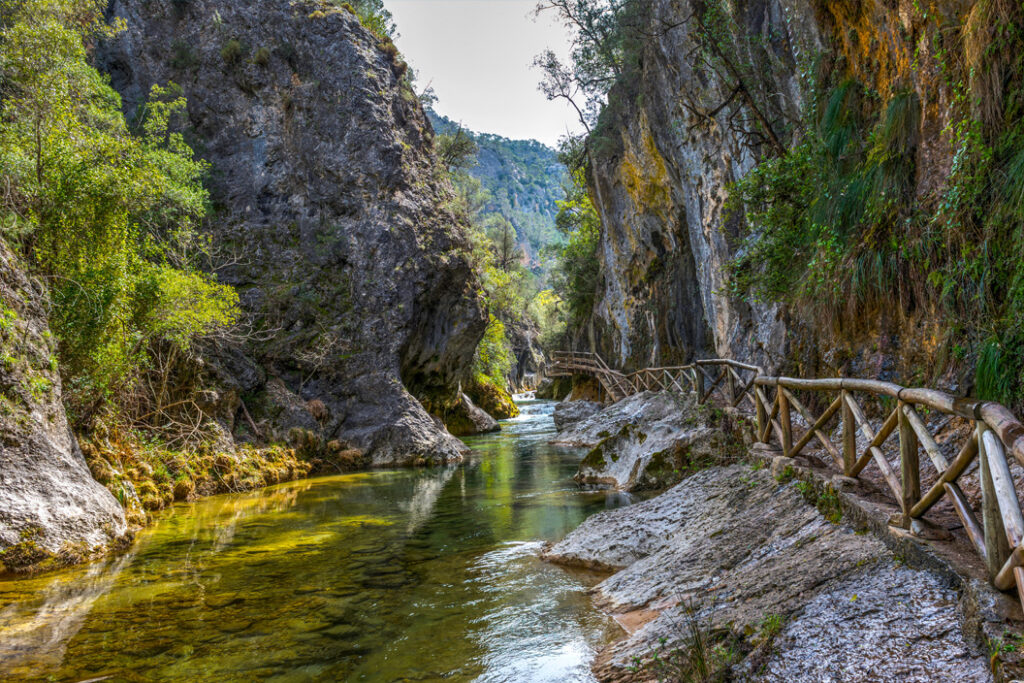
The province contains some of Andalusia’s largest protected natural areas, where mountain ranges, river gorges, and forested terrain introduce a sharp contrast to the surrounding agricultural land. Areas such as the Sierras de Cazorla, Segura y Las Villas reflect a long-standing relationship between environmental protection and land use.
Notably, cities such as Úbeda and Baeza, both UNESCO World Heritage Sites, hold comparable cultural and architectural significance, reinforcing Jaén Province’s more distributed urban structure.
Jaén the city serves as the provincial capital but remains similar in scale to several other cities across the province. Sitting at the edge of mountainous terrain, the historic streets and public spaces are shaped by elevation and views of surrounding olive tree-covered hills. Rising above the historic center, the Renaissance cathedral remains a defining presence, anchoring Jaén visually within its broader agricultural and mountainous setting.
Almería
Almería: Spain’s driest province, defined by desert landscapes, volcanic coastline, and the Mediterranean Sea
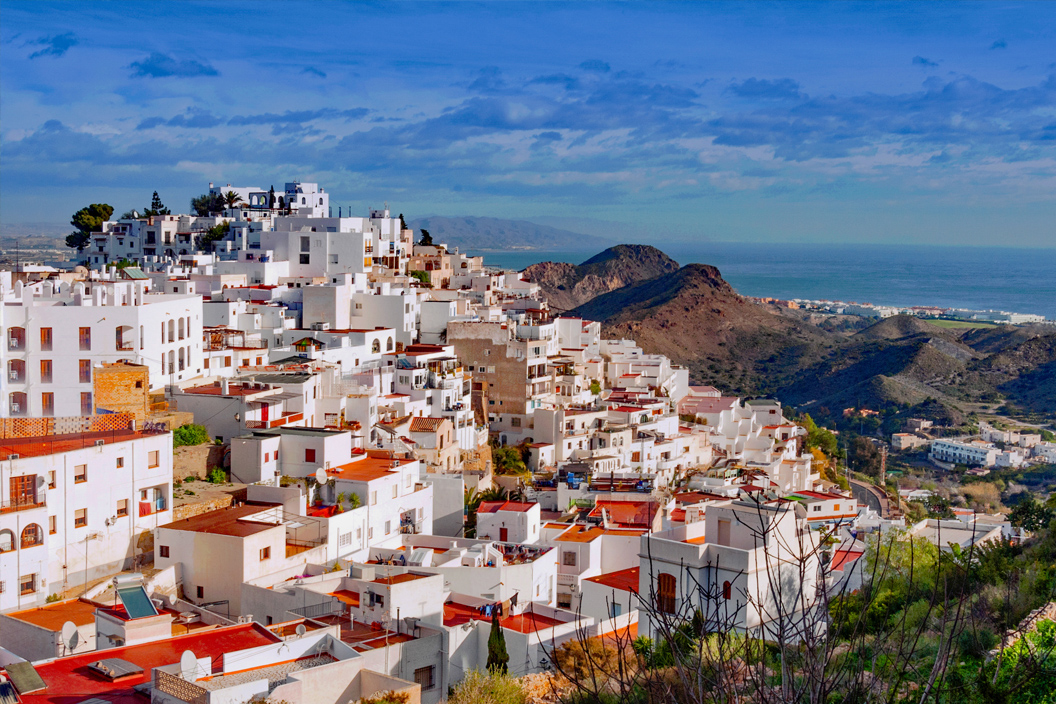
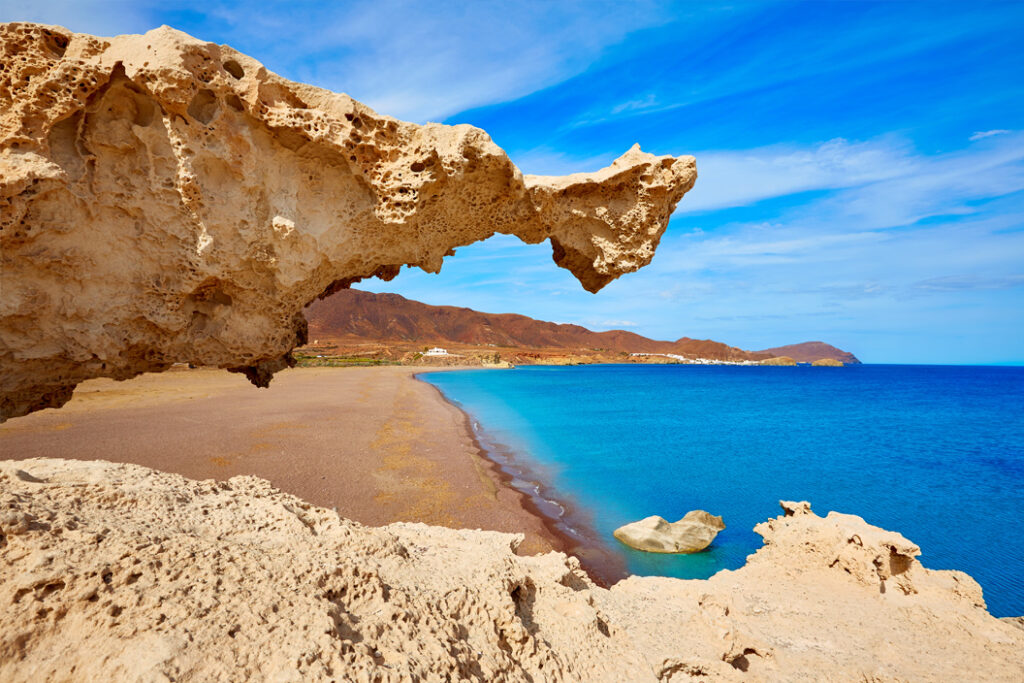
The province is home to the Tabernas Desert, widely considered the only true desert in Europe, where minimal rainfall and exposed terrain shape both the interior and the coast. Along the coast, hill towns such as Mojácar (pictured), set above the Mediterranean on steep slopes, reflect how settlement has adapted to intense light, dry conditions, and rugged terrain.
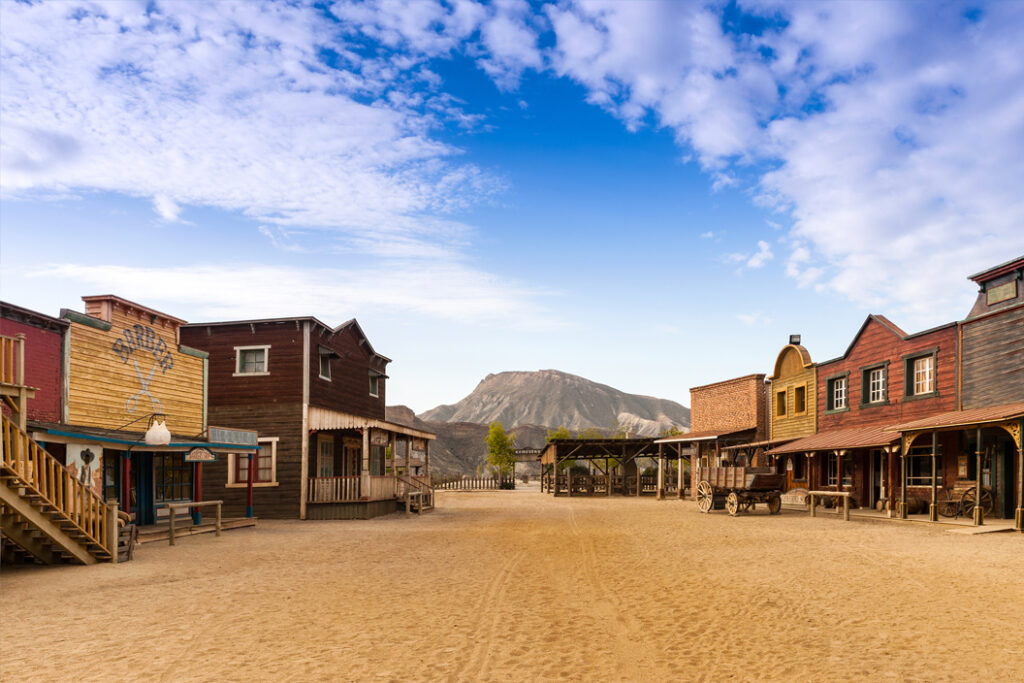
Almería’s desert landscapes stood in for the American West in numerous international productions in the mid-20th century, leaving behind purpose-built sets and a lasting association with cinematic imagery.
The namesake Capital City of Almería developed as a coastal port city shaped by trade. The historic core is anchored by the Alcazaba of Almería, one of the largest fortified complexes in Spain, which continues to define the cityscape and its relationship to the sea.
Málaga
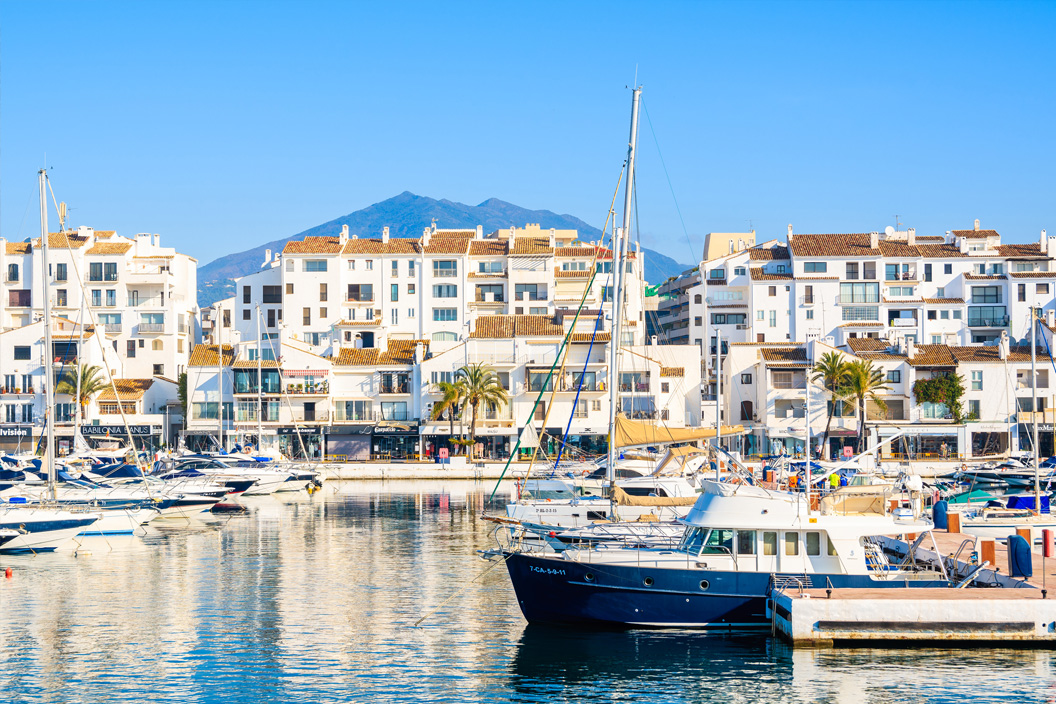
Málaga: A Mediterranean province known for its coastline, global connectivity, and role in shaping southern Spain’s luxury residential market
Located along Andalusia’s southern Mediterranean coast, Málaga is one of the region’s most internationally visible provinces, supported by a major international airport and anchored by destinations such as Marbella and the Golden Mile, a renowned stretch of high-end residential and resort development.
Beyond the coastline, Málaga extends inland into mountainous terrain and agricultural areas that operate at a quieter scale. Smaller towns and rural landscapes sit just behind the coastal corridor, creating a clear contrast between internationally oriented coastal destinations and a more traditional interior.
The namesake capital city of Málaga is structured as a large, multi-centered city. While the old town remains intact, daily life is spread across a wide urban area shaped by residential districts, cultural institutions, and transportation infrastructure that extend well beyond the center. Over the past two decades, the city has diversified beyond tourism, developing a notable concentration of museums, cultural venues, universities, and international technology companies. This expansion has positioned Málaga as one of southern Spain’s key centers for innovation and knowledge-based industries, alongside its established cultural and coastal identity.
Cádiz
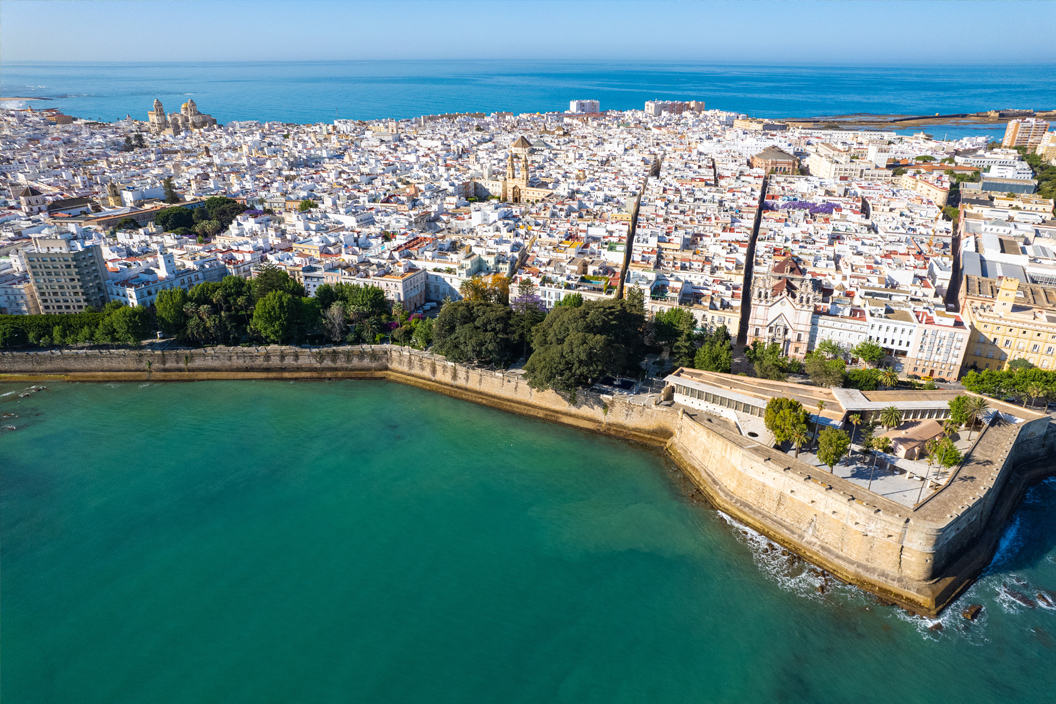
Cádiz: Home to one of Europe’s oldest continuously inhabited cities, shaped by sherry wine culture, distinctive mountain settlements, and the province’s Atlantic-facing coastlines
Cádiz Province has the longest coastline in Andalusia, where the Atlantic Ocean meets the Mediterranean Sea at the Strait of Gibraltar. This geographic position has shaped the province’s long relationship to trade, movement, and exchange. Cádiz Province is the only Andalusian province that does not revolve around its capital as the largest urban center. Jerez de la Frontera is the province’s most populous city and the fifth-largest in Andalusia overall, internationally recognized as the heart of sherry wine production and a historic center of Andalusian horsemanship.
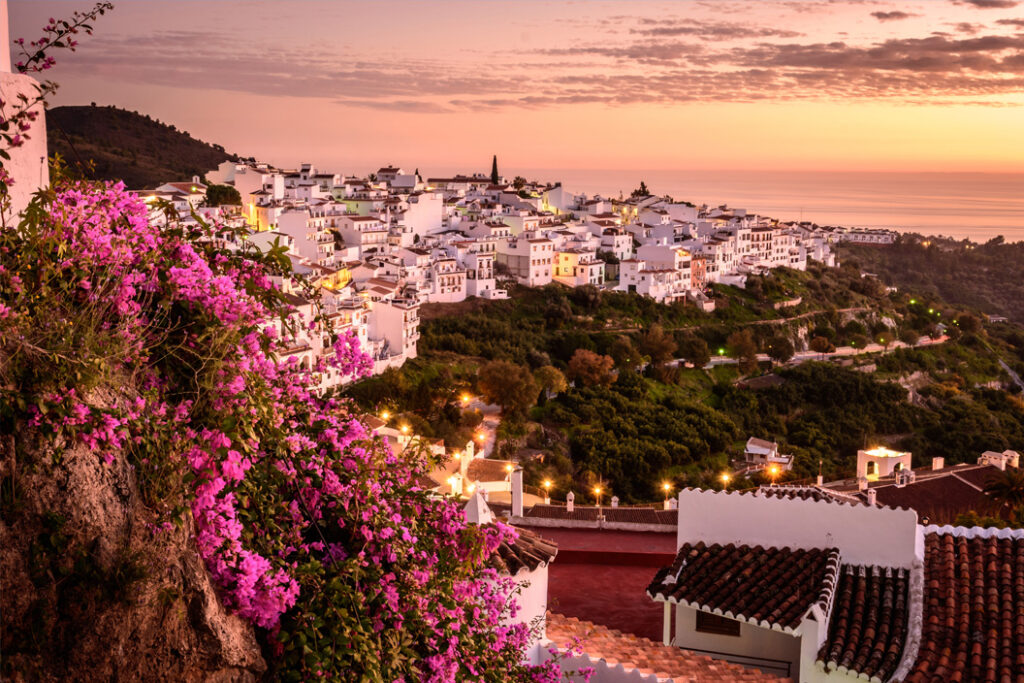
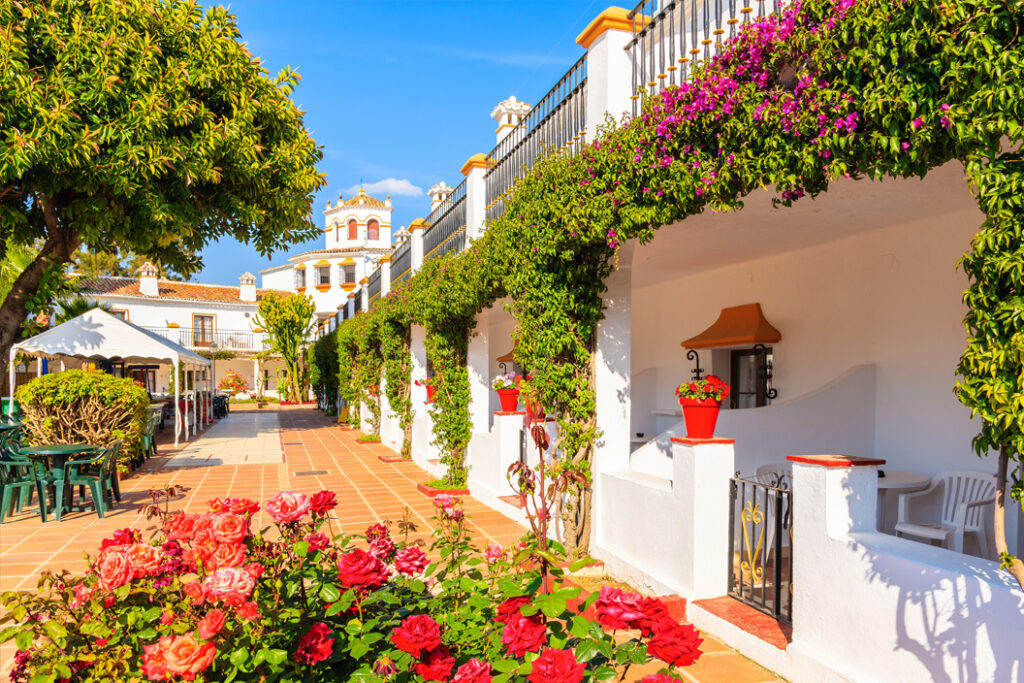
The close proximity of two historic cities, several coastal towns, and a network of interior mountain villages gives Cádiz province a geographic mix unlike any other in Andalusia.
The capital city Cádiz is often described as one of the oldest continuously inhabited cities in Western Europe, with a recorded history spanning more than 3,000 years. Set on a narrow peninsula and surrounded almost entirely by water, the city is organized around a dense historic old town at the tip of the peninsula.