


A practical, lifestyle perspective on second-home ownership in southern Spain
Owning a second home in Europe has long signaled both lifestyle and financial success. Yet in an economic landscape where ownership costs in the most iconic destinations—the French Riviera, the Balearic Islands, or Tuscany—continue to rise, the traditional model of sole ownership is beginning to feel, paradoxically, like a burden.
This is where a concept gaining traction emerges as a sophisticated and conscious solution—co-ownership. This approach redefines property investment, allowing buyers to access high-quality homes without the full financial and logistical demands of exclusive ownership. And across Europe, one region stands out as particularly well-suited to this model: Andalusia, Spain’s southernmost region.
While the spotlight often falls on saturated and speculative markets in Spain such as Barcelona or Mallorca, the lasting value and authentic connection to place are found in Andalusia’s vast interior and its lesser-known coastlines. The south offers not only a more sensible property economy, but also a way of life that extends well beyond a holiday season.
What this guide covers:
1. Understanding Co-ownership: Real Property, Not Calendar Time2. Why southern Spain Stands Out3. Beyond the Golden Mile: A More Grounded southern Spain4. Rooted Benefits5. About this Guide
​
Understanding Co-ownership:
Real Property, Not Calendar Time

Before exploring the nuances of the Andalusian market, it’s essential to clarify the fundamental difference between co-ownership (fractional ownership) and other shared-use models. Co-ownership is the acquisition of a real asset.
In this model, the buyer acquires a real, deeded, and legally registered share of a property through a structured entity, becoming the owner of a tangible portion of the home and its assets. This differs substantially from timeshare, where the buyer only purchases a right to use the property for a defined period each year, without owning the underlying real estate.
Second-home co-ownership allows multiple owners to share both the initial investment and the ongoing costs (maintenance, services, taxes). The result is access to a property of significantly higher quality—both in location and in finish—than the cost of an individual share alone, complemented by professional management that removes the stress of maintenance. In practice, the model aligns ownership with actual patterns of use, where second homes are often occupied for only part of the year.
For the buyer, it represents a legal share in a real property asset that can be sold or inherited, not merely a slot on a calendar.
​
Why southern Spain Stands Out
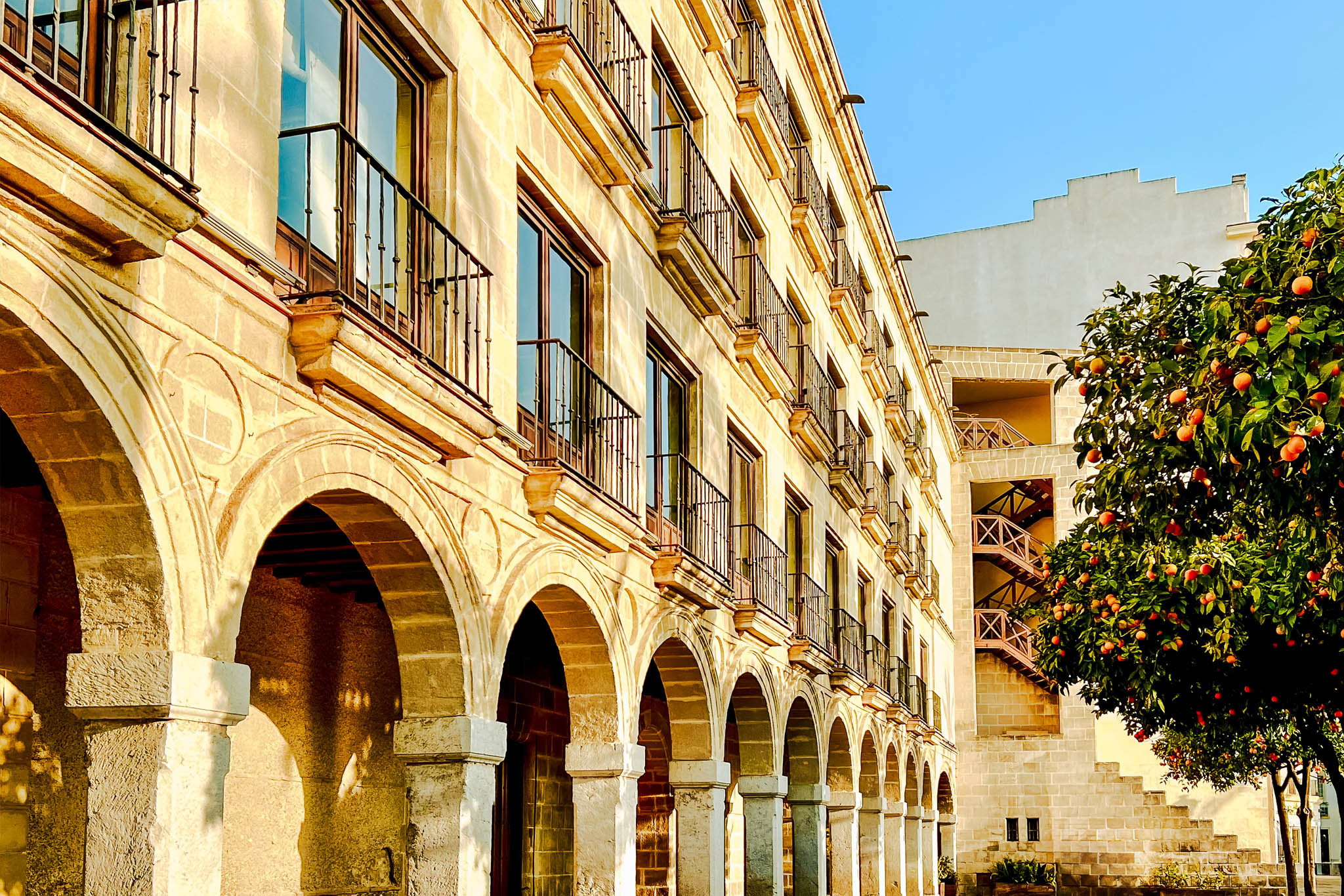
The Andalusian region presents a strong case for the co-ownership model. Its strengths lie in a rare combination of affordability, market stability, and quality of life.
Affordability relative to quality:
Although the price of pre-owned homes in Andalusia rose notably in 2024—exceeding Spain’s national average according to the Statistical Information Centre of the Notariat (an 8.1% increase versus 6.9% nationally)—the average price per square meter remains more competitive than in northern Europe’s luxury markets or the Mediterranean’s prime zones. Provinces such as Cádiz offer distinctive properties where this model is beginning to take shape.
Stable market and sustained demand:
Demand for second homes, particularly from international buyers, has remained strong, though it has shifted toward a higher socio-economic segment less affected by price volatility. This contributes to the long-term stability of quality properties.
Infrastructure and connectivity:
The south is well connected. The airports of Málaga, Seville, Jerez, and Granada offer key regional and international routes. In addition, the high-speed rail network (AVE) and healthcare infrastructure support frequent visits and day-to-day continuity for owners.
Lifestyle and climate factor:
With over 300 days of sunshine each year, a rich cultural heritage, and a rhythm of life centered on community and well-being, the region holds lasting appeal.
As one perspective noted in a recent Spanish market report:
“The south offers a balance between modern living and a connection to tradition—something more and more buyers value over pure capital speculation.”
​
Beyond the Golden Mile:
A More Grounded southern Spain

Some co-ownership platforms and investors focus on the well-known Costa del Sol or the exclusivity of the islands.
In particular, attention often centers around Marbella’s “Golden Mile,” a highly developed stretch known for luxury home prices, international buyers, and intense competition. Yet a different kind of value can be found in southern Spain’s lesser-known cities, inland villages, and coastal towns.
In these areas, second-home ownership is shaped more by local life than by the pace and dynamics of Spain’s established hotspots. Acquisition costs remain lower than in the western Costa del Sol or the islands, while construction standards remain consistent with those found across the broader Spanish market.
This perspective positions co-ownership within a setting defined by continuity, place, and long-term connection.
​
Rooted Benefits
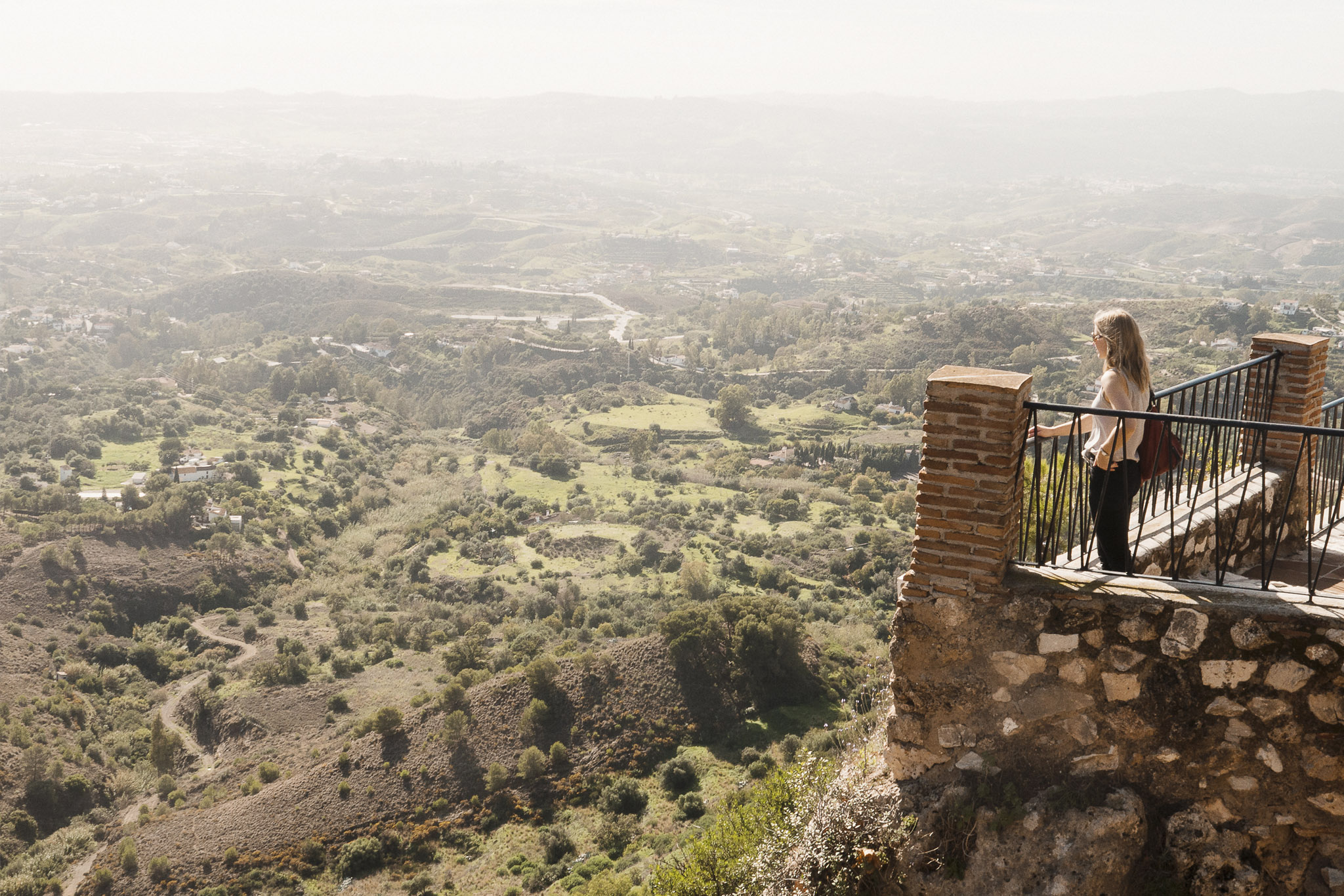
The greatest return from co-ownership in a destination like Andalusia is measured not only in euros, but in quality of life and well-being.
The recurring nature of co-ownership encourages the creation of routines and relationships within a familiar environment. By returning to the same home over time, each owner becomes part of the local fabric rather than a passing visitor. Connections form with shopkeepers, restaurant owners, neighbors, and the rhythm of daily life, creating a sense of belonging.
Shared stewardship is another key advantage. Centralized management reduces the responsibilities often associated with second-home ownership—repairs, upkeep, and administration—allowing time in the home to remain focused on enjoyment. In this way, co-ownership supports a more balanced experience, with less day-to-day responsibility for each owner.

Purchasing a second home in southern Spain through co-ownership offers a practical approach to ownership alongside a distinct lifestyle proposition. It offers shared financial responsibility and a connection to the region’s established rhythm of life, with the potential for long-term value appreciation, as with traditional real estate ownership.
In southern Spain, co-ownership offers not just an alternative way to own, but a more rooted way to belong.
​
About this Guide
This guide offers perspective on second home ownership in southern Spain, shaped by experience within the region. While it highlights key advantages and opportunities, individual circumstances, market conditions, and long-term outcomes will vary.