

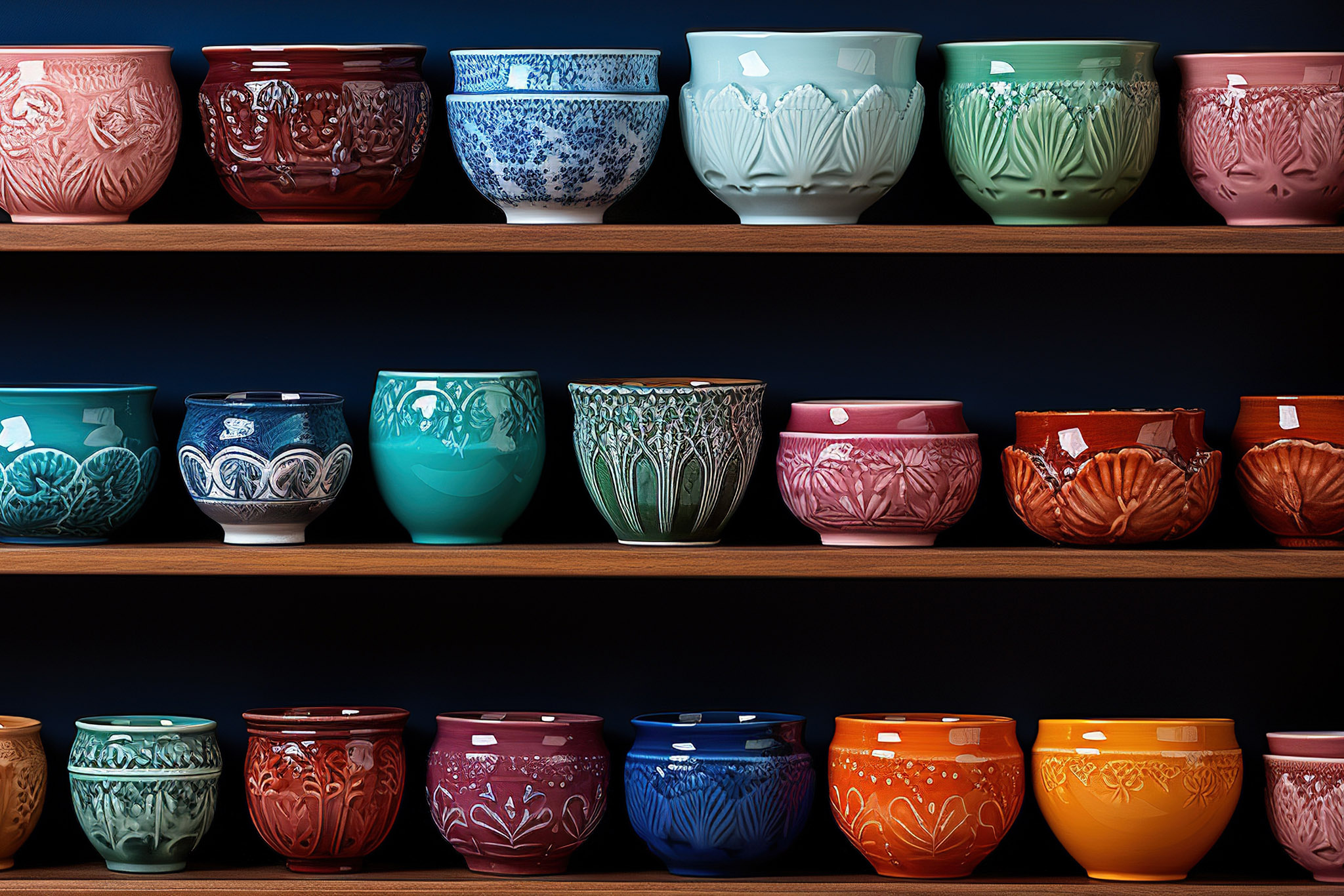
Wander through the streets of Arcos de la Frontera and you hear the steady turning of a pottery wheel from a nearby studio. In the woodlands near Vejer, the air carries the warm scent of freshly carved olive wood. In a small workshop in the sierra, hands move steadily over leather, cutting and stitching pieces that will travel far beyond the village. Across Cádiz, the landscape and its people have shaped a craft tradition that continues with care and intention.
Here, handmade objects aren’t souvenirs. They reflect a culture that values time, skill, and beauty, and carry a connection between past and present.
What follows is a closer look at the craft traditions that define Cádiz, shaped by its landscapes, its history, and the hands that continue to carry them forward:
1. Origins & Identity2. Craft Shaped by the Land3. Signature Trades of Cádiz4. Why Craft Still Matters
Origins & Identity
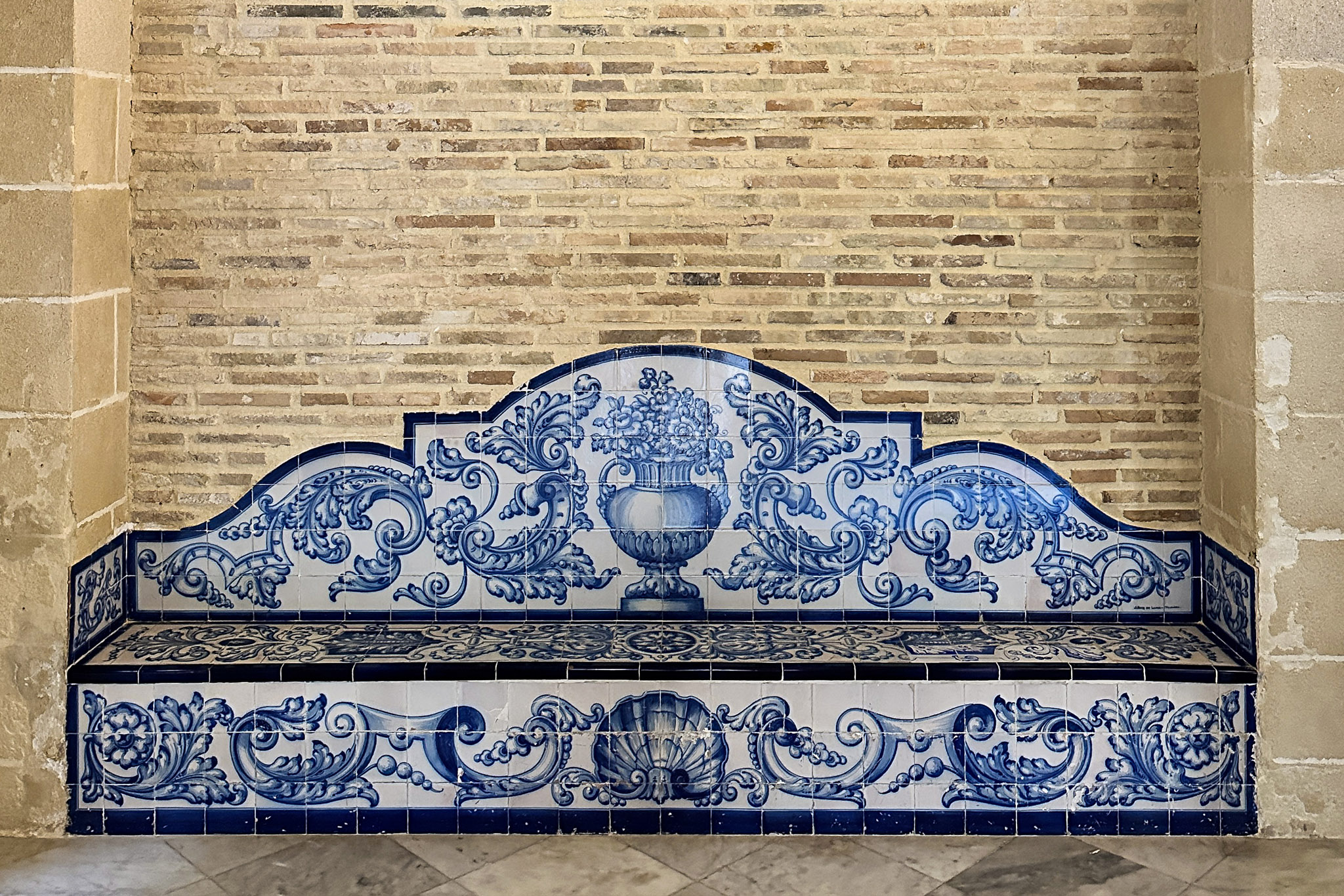
To understand the craft of Cádiz, you must first understand the land and history that shaped it. This province has long been a meeting point, a place where cultures crossed, settled, and traded, each leaving behind techniques, materials, and ideas that still define the built environment and local craftsmanship today.
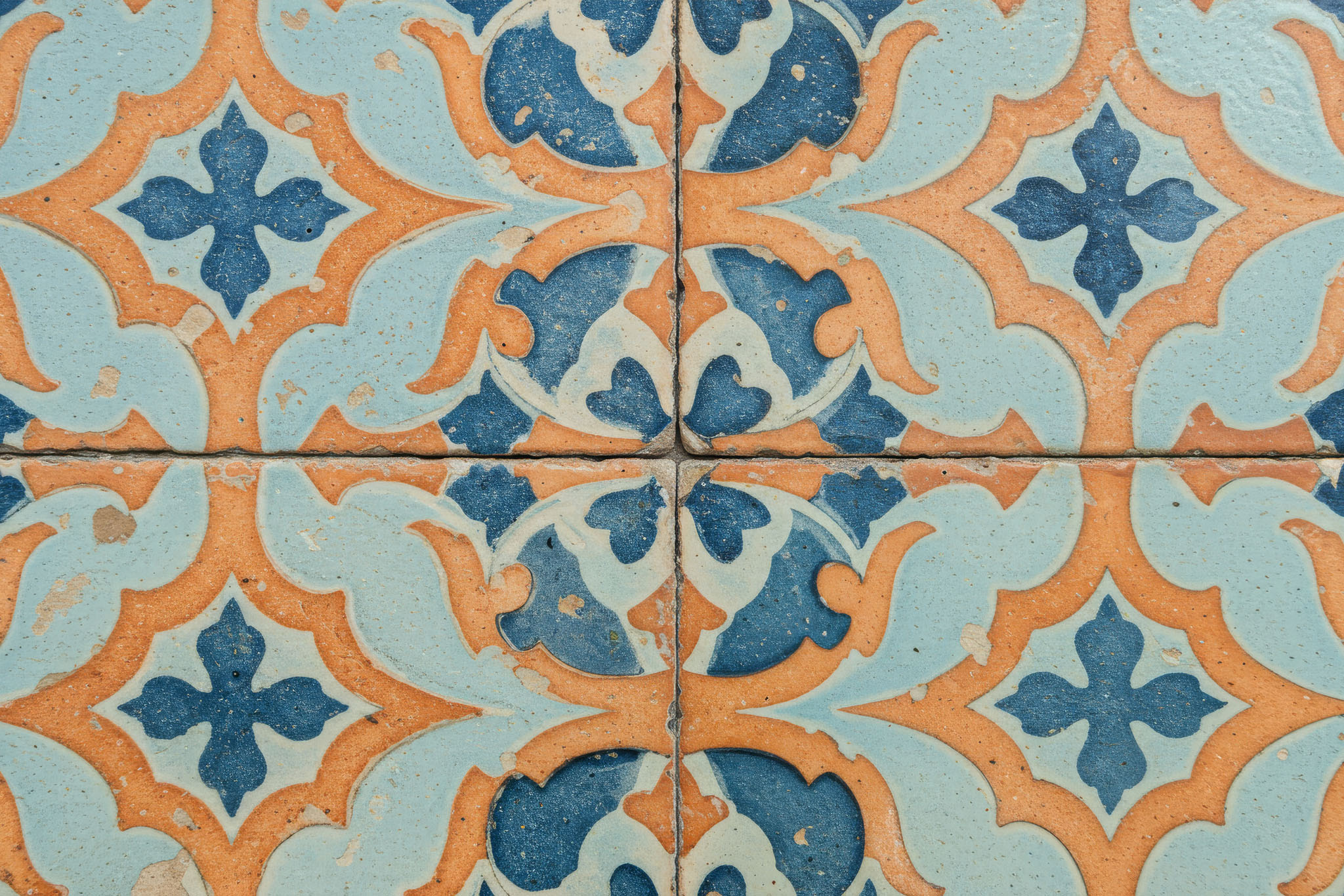
Cádiz’s craft is the product of centuries of cultures passing through
The Phoenicians introduced early metalwork, textiles, and coastal trade. The Romans strengthened roads and improved production methods. Later, Islamic art and Mudéjar geometry added new layers of pattern, precision, and design that still echo through the motifs of local ceramics and leatherwork. Cádiz’s craft is, quite literally, built on centuries of accumulated knowledge.
Craft Shaped by the Land

Craft in Cádiz is inseparable from its landscape
The province’s materials are not imported or invented; they are gathered, harvested, or dug from the very places where these traditions first emerged.
Clay is taken from the hills around Arcos de la Frontera (pictured) and Medina Sidonia, its natural tones forming the base of beautiful dishware and classic Andalusian tiles. Esparto grass grows along riverbeds and wetlands, ready to be braided into baskets, mats, and rope, a rural technique as old as the villages themselves. Cork is cut from the holm oaks that cover the countryside, while olive wood is carved into utensils, boards, and decorative pieces prized for their grain and warmth.
Higher in the sierra, Merino sheep graze in the cold winters of Grazalema (pictured). Their wool, dense and soft, has long been turned into blankets and textiles that carry the character of the mountains.
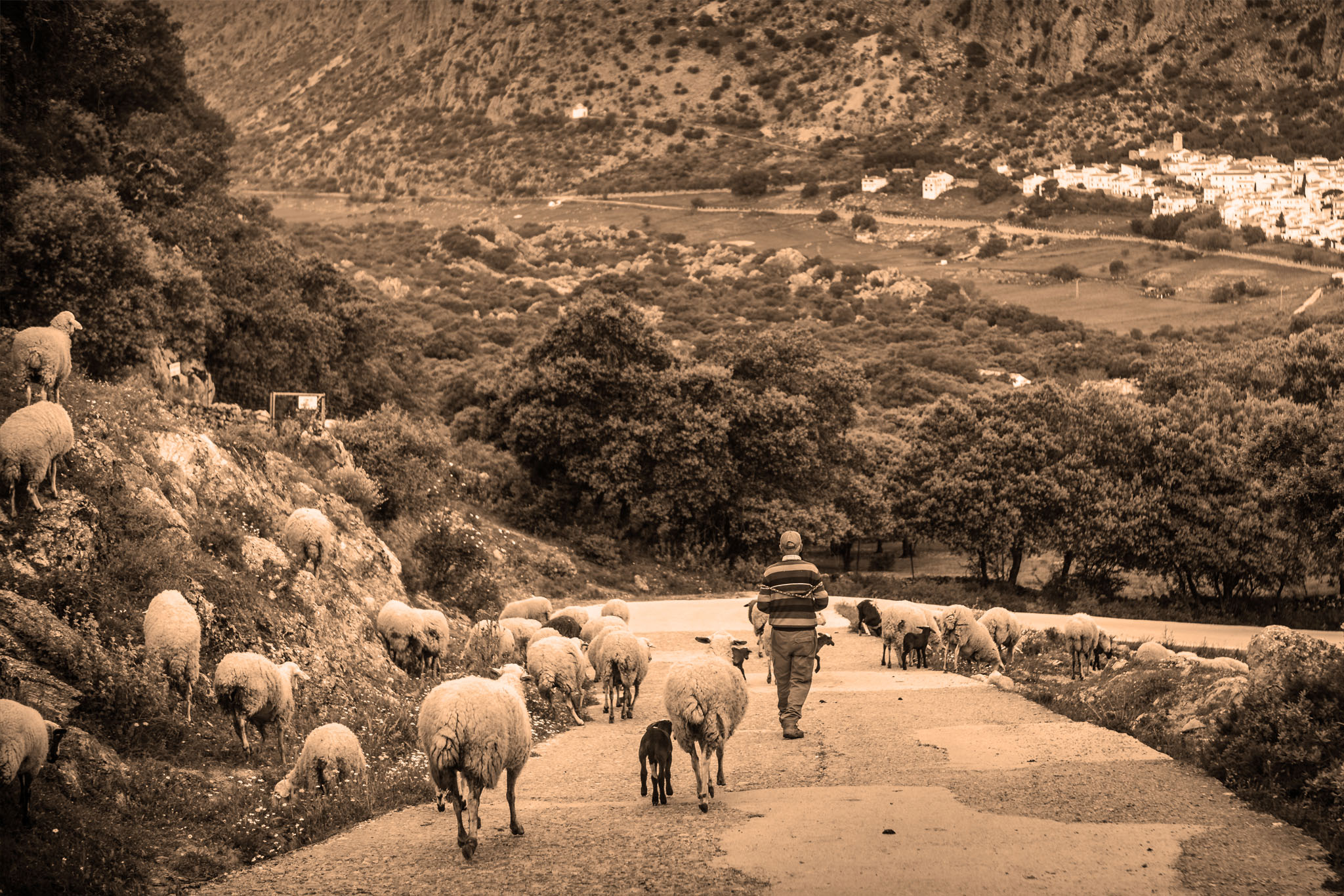
Here, materials don’t just support craft, they shape it. Each object reflects the terrain it came from: sturdy clay for a water jug, tough esparto for a working basket, resilient wool for a winter blanket. Over time, necessity gave way to artistry, and the result is a collection of traditions still deeply tied to the land that created them.
Signature Trades of Cádiz
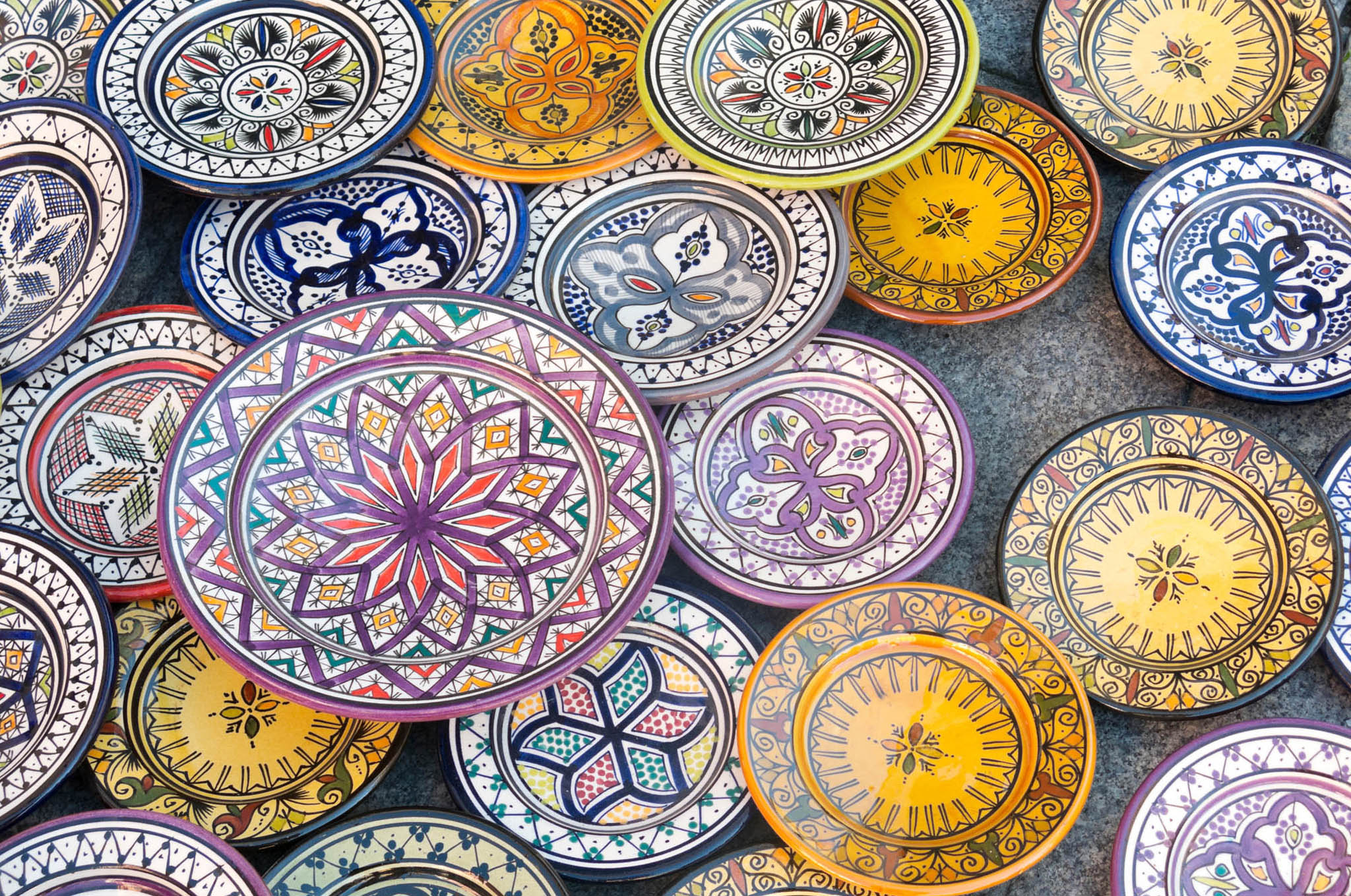
Across Cádiz province, craft is not a revived trend
Craft is a daily practice carried by people who have refined their skills over generations. Each village has its specialty, shaped by local materials, inherited techniques, and a shared devotion to well-made things.
Arcos de la Frontera & Medina Sidonia: Ceramic Towns
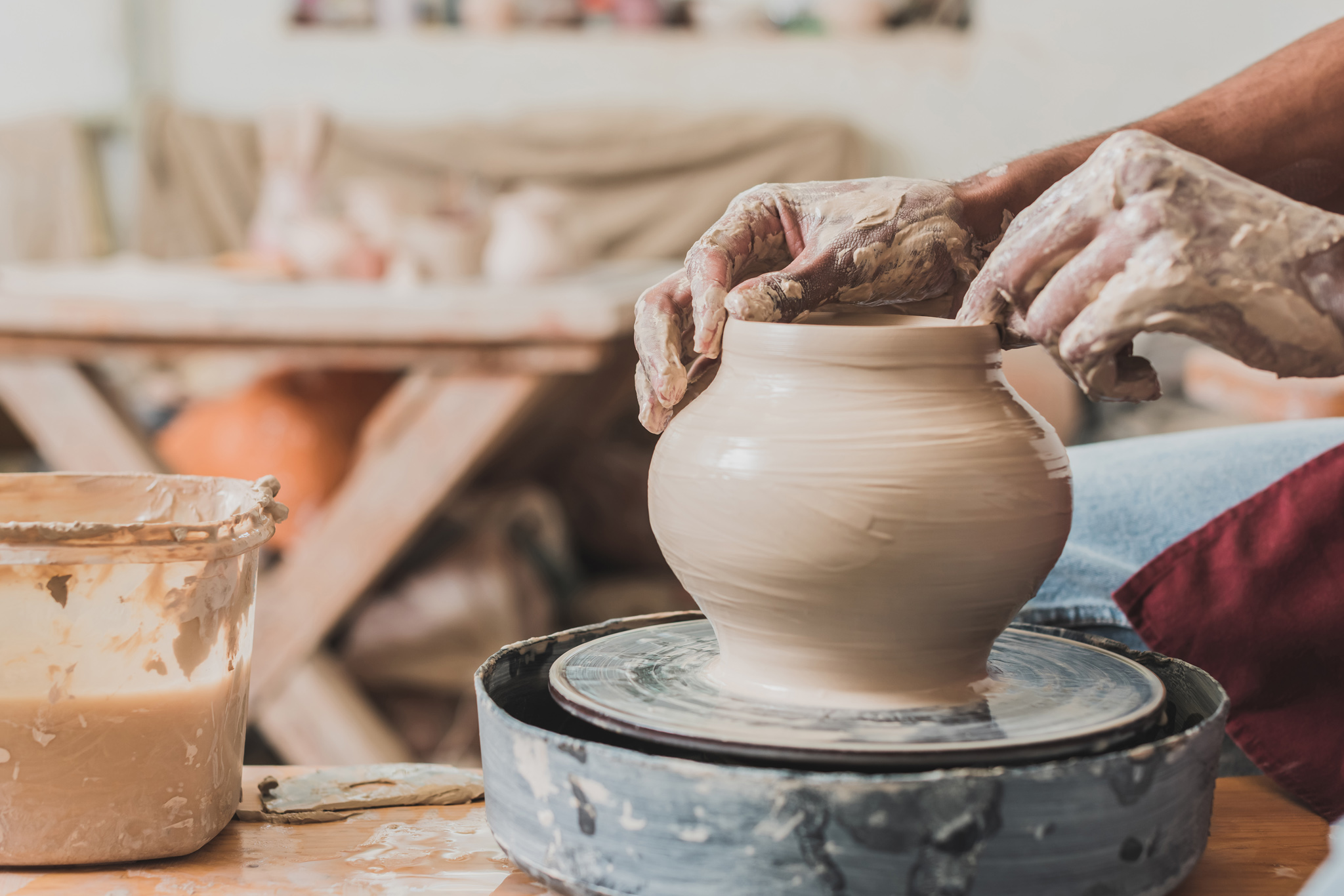
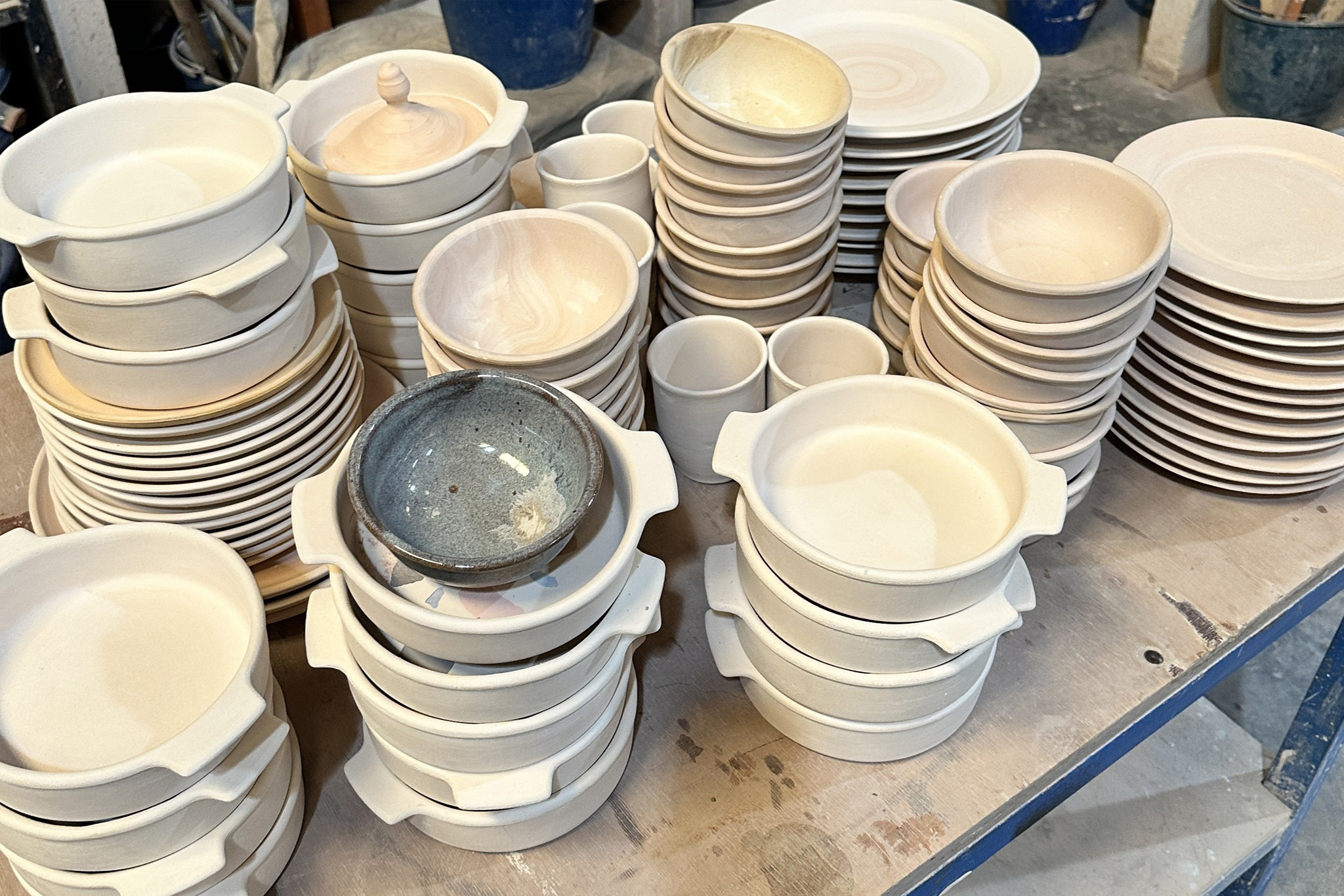
In these hilltop villages, clay has long been shaped into dishware, tiles, and decorative pieces. Workshops still use hand-painting and glazing methods passed down through families, producing tableware that feels timeless and quietly modern.
Ubrique: Leatherwork with a Global Reputation
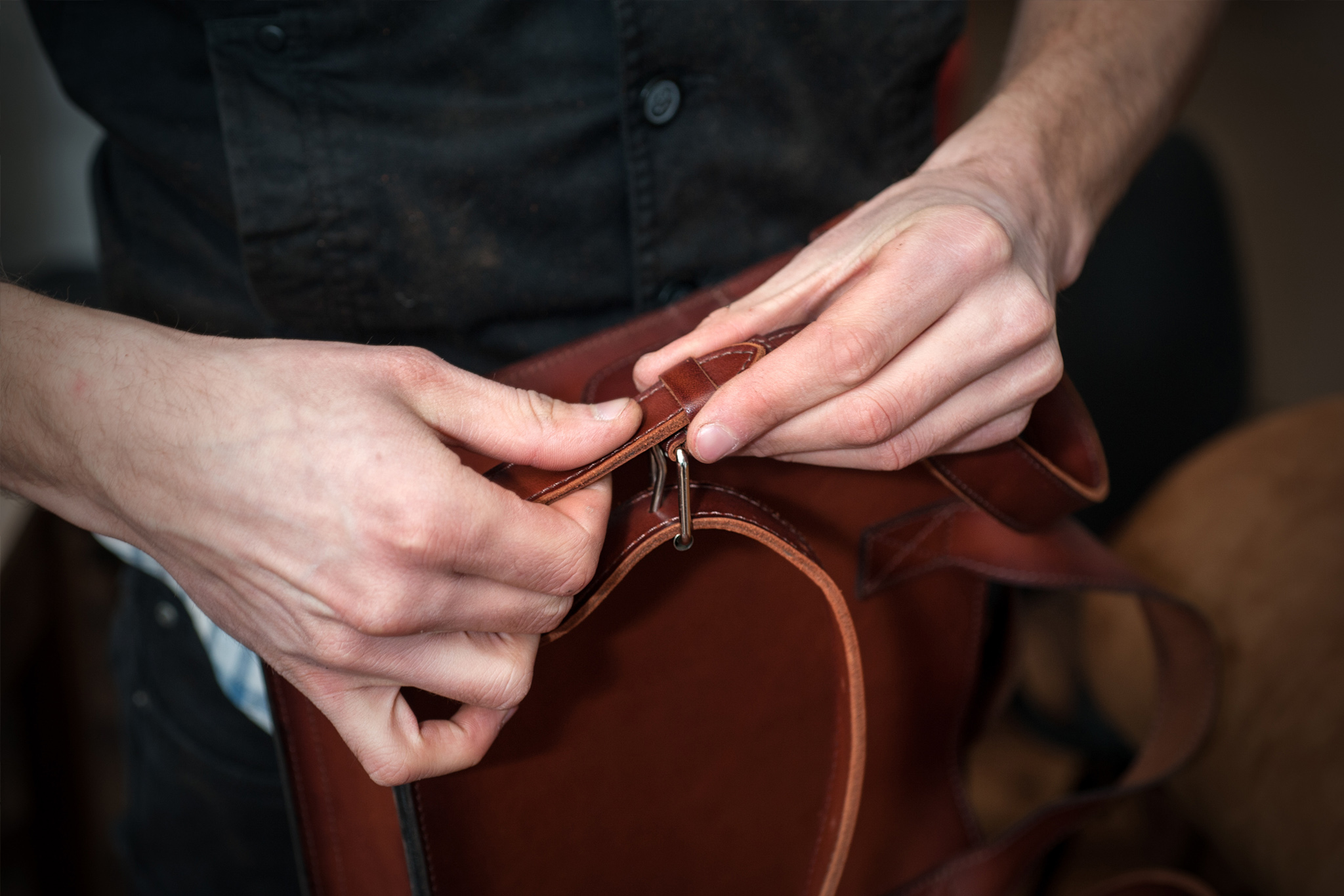
Tucked into the mountains, Ubrique is home to some of Spain’s most skilled leather artisans. Its workshops produce handbags, wallets, and small goods known for precise stitching and exceptionally finished hides. Many pieces are made for international fashion houses, yet the craftsmanship remains rooted in local tradition.
Grazalema: Textiles from the Sierra
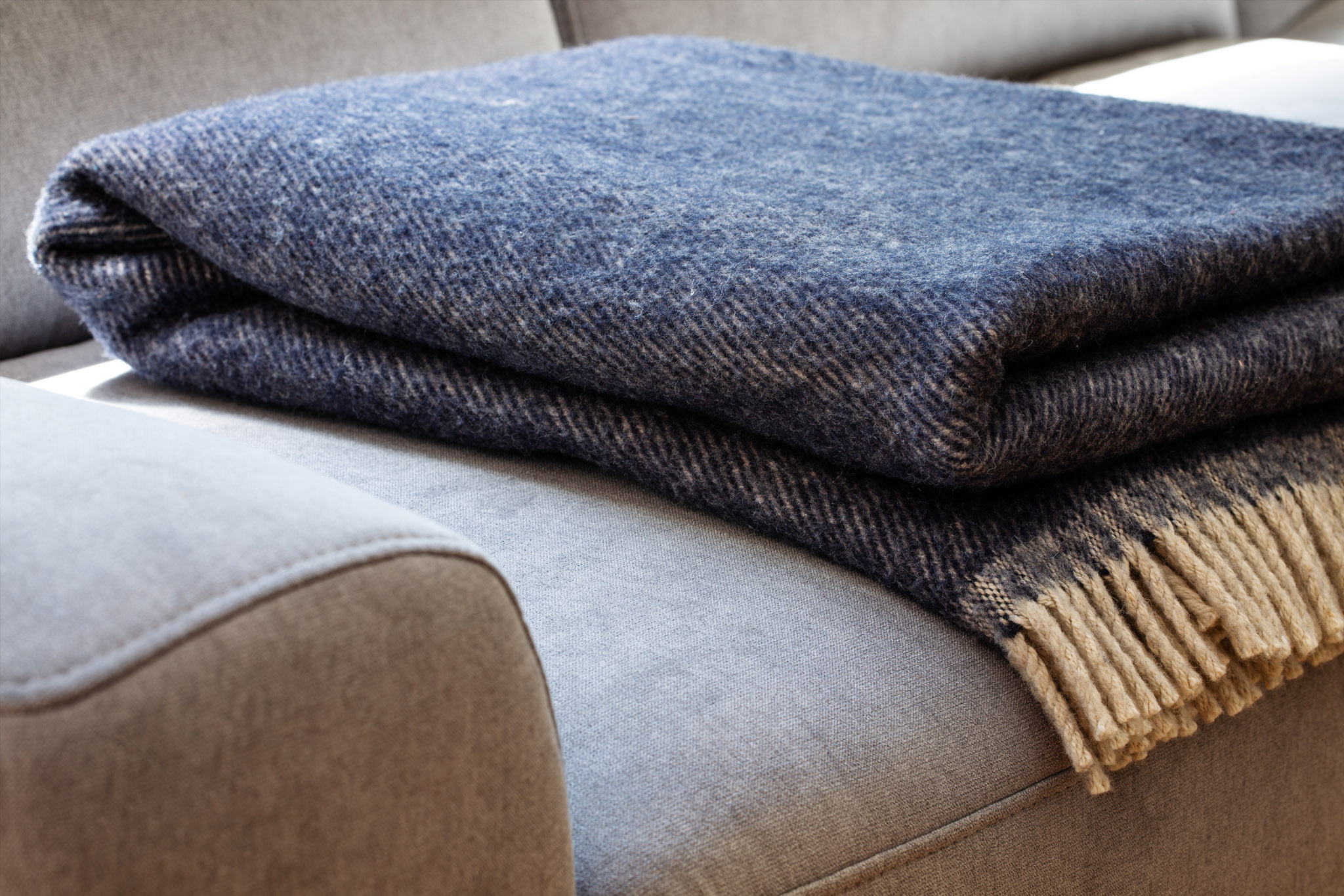
Higher in the mountains, the cold winters of Grazalema gave rise to a wool tradition that continues today. Blankets, shawls, and simple embroidered pieces reflect the character of the sierra: warm, durable, and deeply tied to the landscape.
Beyond its most renowned crafts, Cádiz is home to a broad spectrum of traditional trades that continue quietly in villages, small studios, and family-run workshops:
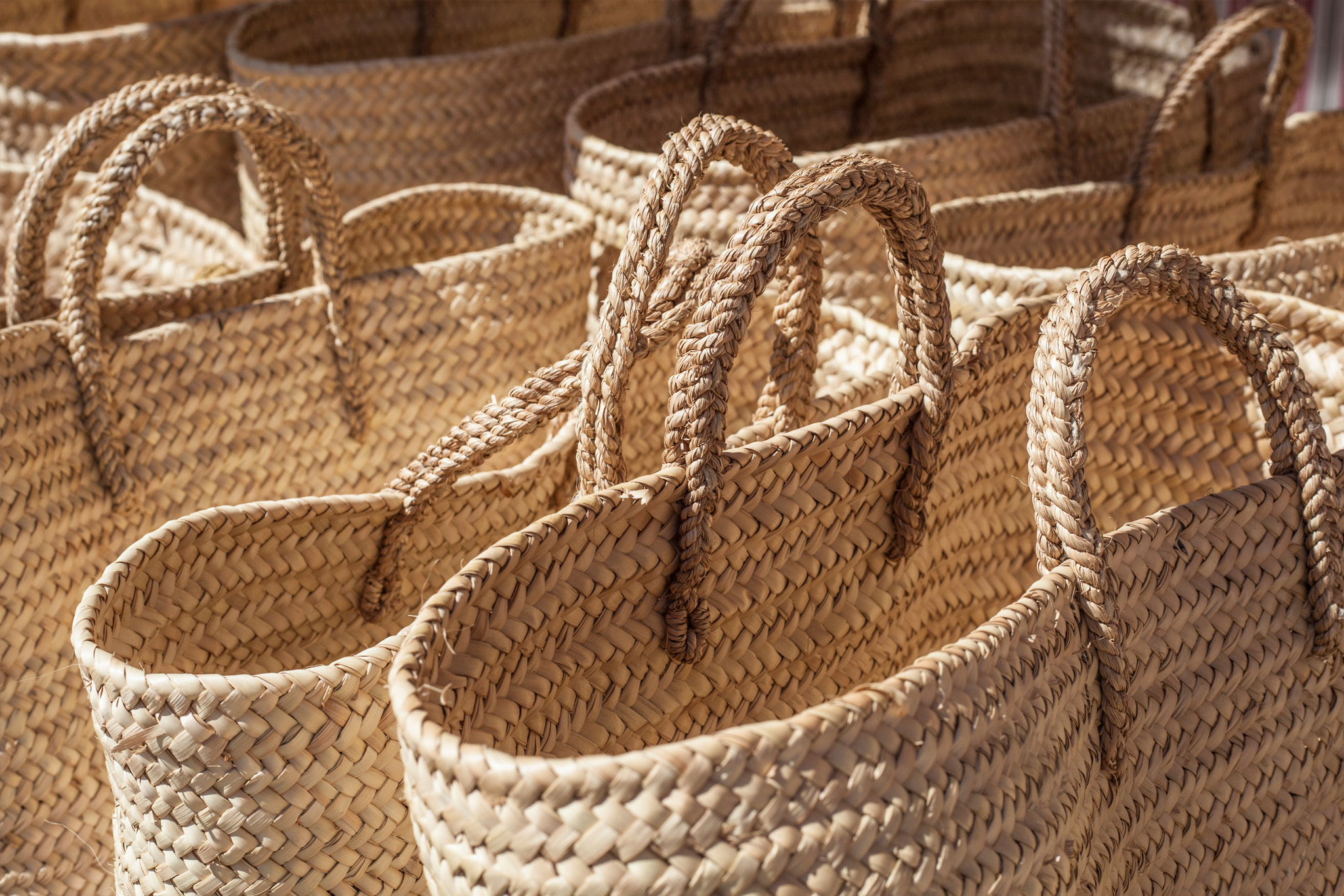
Esparto Weaving – A rural craft shaped by patience and repetition
Baskets, mats, bags, and household pieces are made from hand-braided esparto grass in villages like Medina Sidonia, Vejer, and La Janda. This tough, flexible fiber has been worked for generations, with family workshops preserving techniques that are as enduring as the material itself.
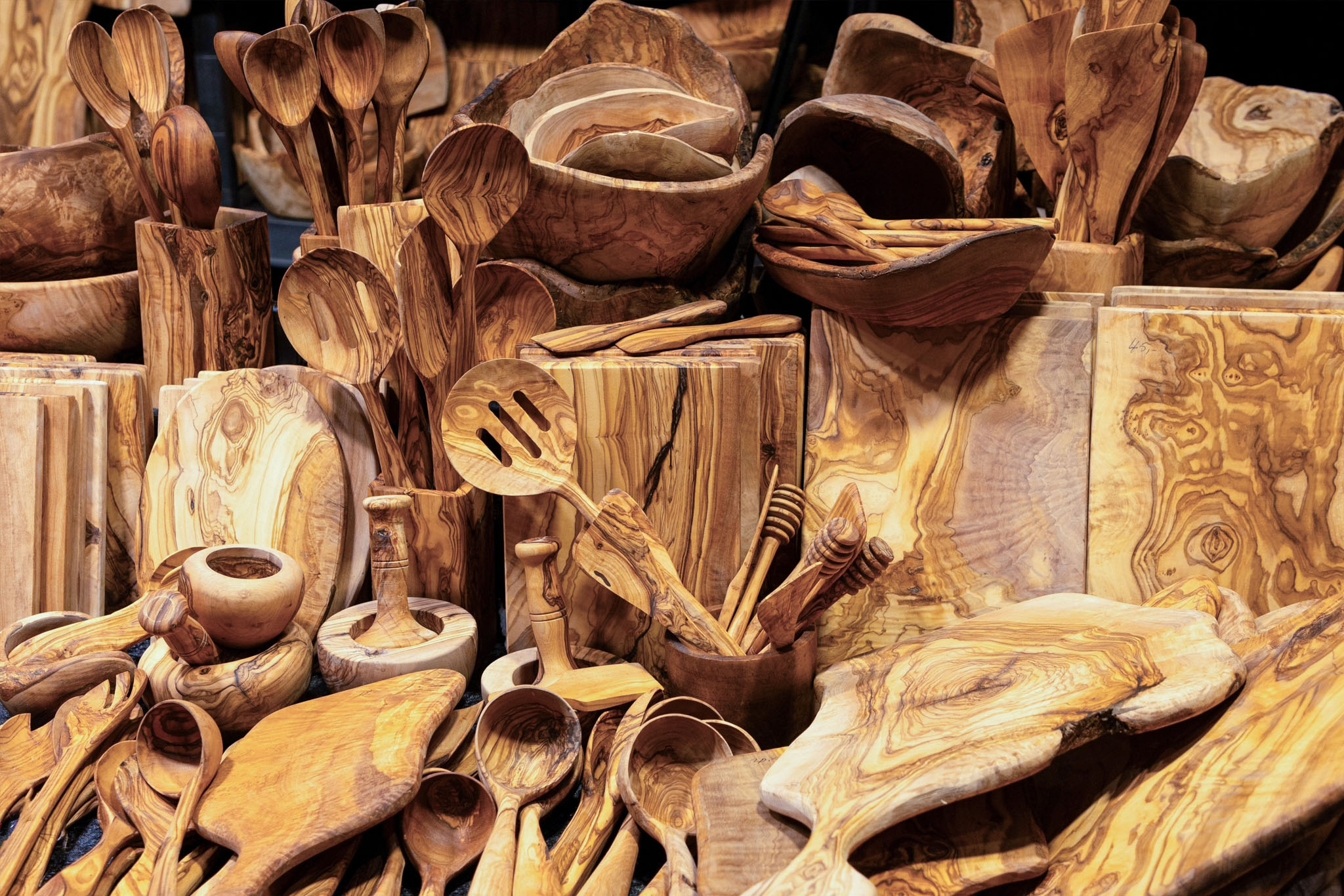
Olive-Wood Carving – Everyday objects shaped from the trees of Cádiz
Local olive wood is crafted into utensils, cutting boards, bowls, and decorative pieces. Dense, fragrant, and full of natural grain, each piece reflects the landscape and the understated elegance of slow, intentional workmanship.
Knife-Making – A revived mountain tradition of hand-forged blades
In Arcos and nearby serranía villages, smiths forge carbon-steel blades and pair them with olive-wood handles. The result is a knife valued not just as a tool, but as a testament to precision, durability, and a craft rebuilt with care.
Flamenco Instrument Craft – Sound shaped by hand and heritage
A handful of workshops in Cádiz and Jerez continue to build guitars, cajones, and flamenco instruments in small batches, tuning each piece by hand. These makers preserve a living musical tradition, crafting instruments that embody the rhythm and soul of the region.
Why Craft Still Matters
In an age shaped by speed, uniformity, and throwaway objects, handmade work offers something entirely different: intention
Craft invites us to notice the weight of a bowl, the grain of olive wood, the stitch of a leather edge. Each piece carries the choices, skills, and stories of the person who made it.
In Cádiz, that connection runs deep. To buy something crafted here is to support a lineage of knowledge passed down through families, workshops, and villages; traditions shaped by the land and refined over centuries. These objects endure because they were never meant to be disposable. They are made to be used, repaired, and lived with.
In the end, the beauty of Cádiz craft lies not in perfection but in humanity: the reminder that some of life’s most meaningful things are still made slowly, thoughtfully, and by hand.