

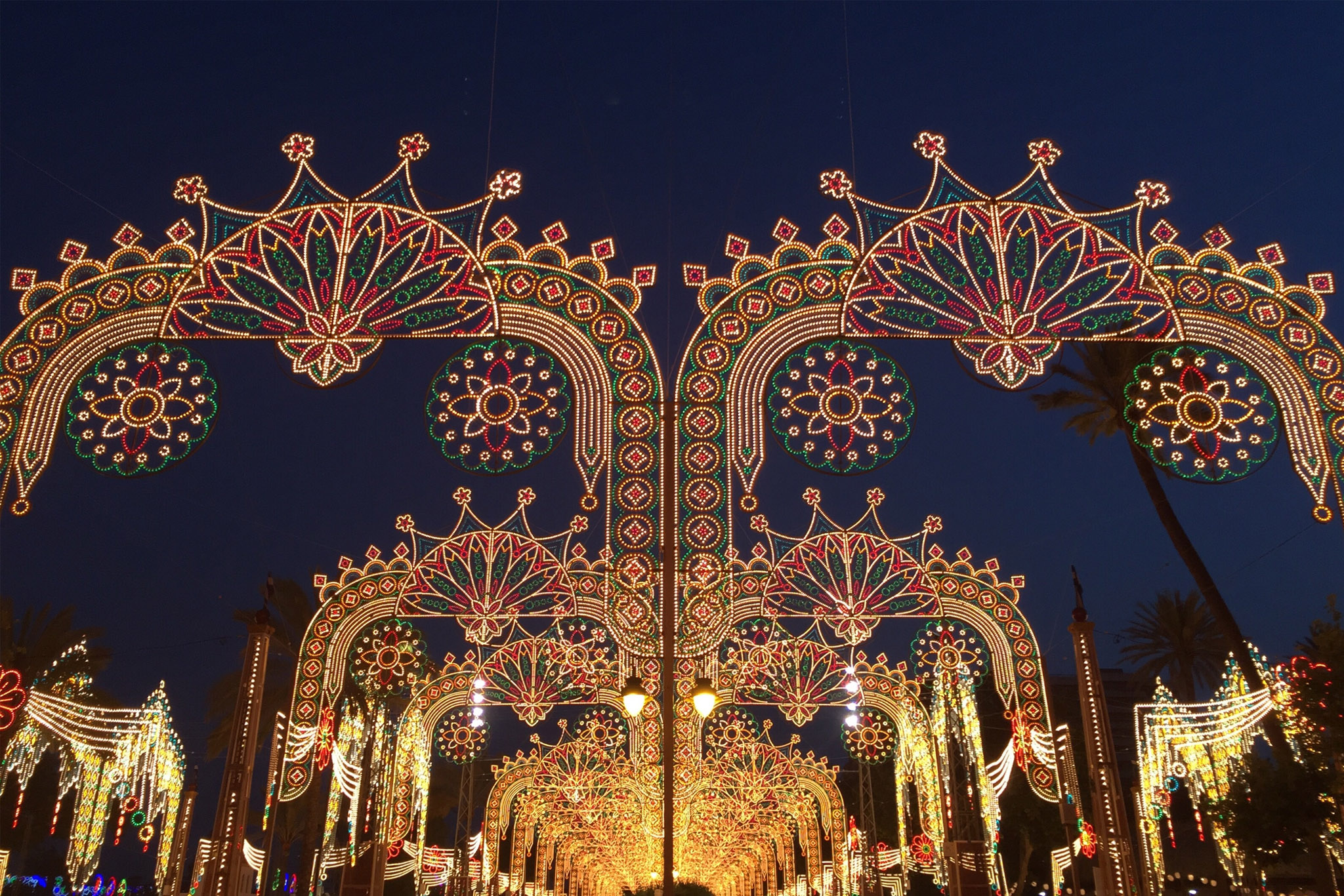
The morning air in Jerez feels fresh and scented with orange blossom. Church bells ring out across tiled rooftops, their echo rolling through the historic city center. The slow clatter of hooves rises and falls in rhythm, a horse-drawn carriage passing by, its driver tipping his hat to a friend walking along the cobblestone street. The low hum of conversation from a nearby cafe mixes with the faint strains of flamenco guitar. As the city wakes, so does the rhythm of Jerez.
How the day unfolds is shaped by the seasons, the city’s many celebrations, and the importance of time spent around the table. Here, these rhythms are intertwined with traditions that define the city, from flamenco and horsemanship to its sherry culture, all of which have carried through generations and remain part of daily life.
With 3,000 years of history, Jerez blends ancient heritage with a way of life that feels unmistakably its own. What follows is a closer look at what defines Jerez:
1. The Flavors of Jerez2. The Spirit in the Glass3. The Dance of Horses4. The Heartbeat of Flamenco5. A City of Celebration6. The Everyday Rhythm
The Flavors of Jerez
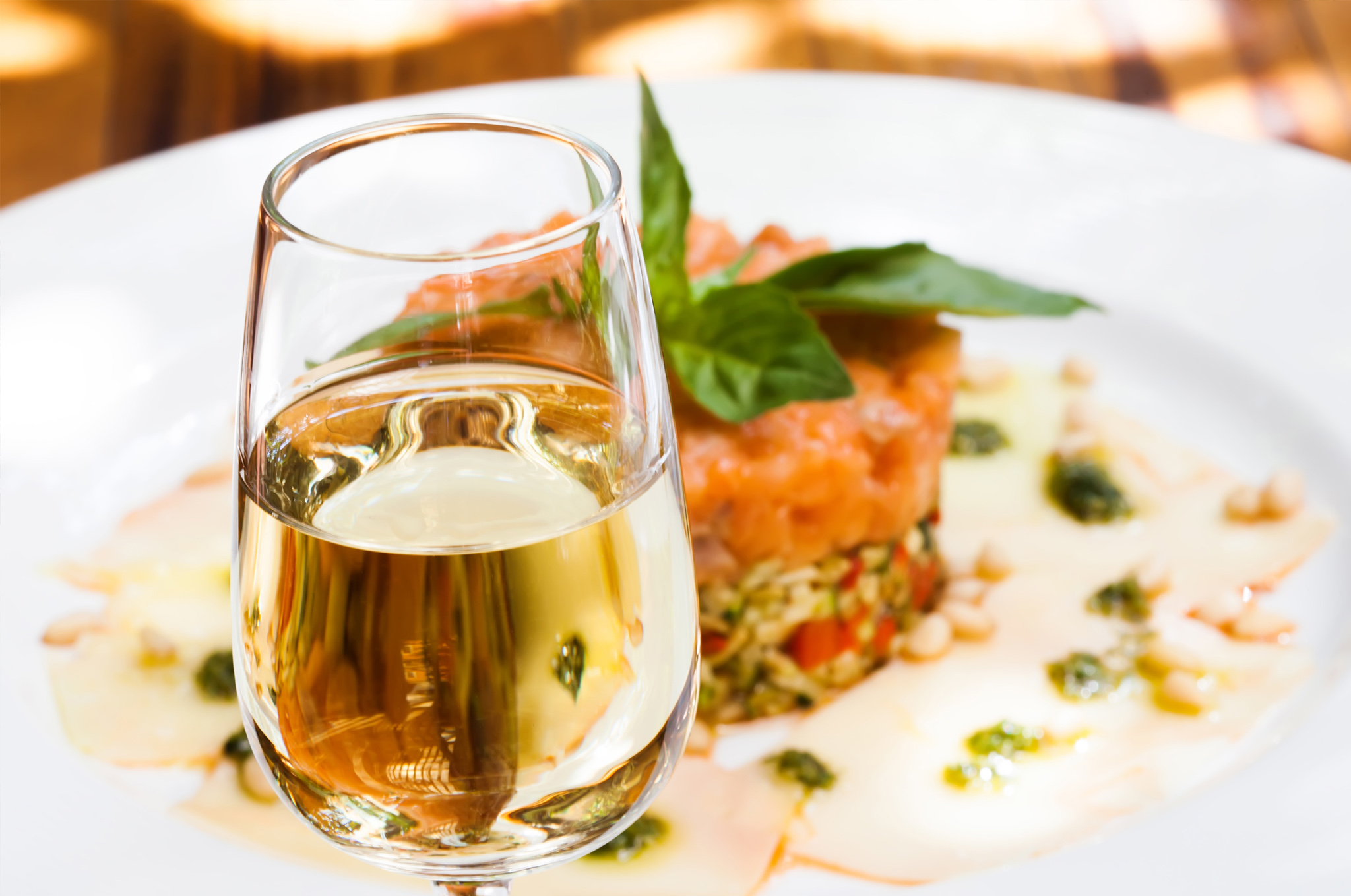
In Jerez, dining mirrors the city itself: unhurried and full of character. The approach to food is simple, always focused on the quality of local ingredients over elaborate techniques.
Breakfast is a ritual here, and most locals have their favorite spot for Spanish tortilla, a thick omelet made with eggs and potatoes that’s soft in the center and served warm. Or tostada con aceite, toasted bread drizzled with olive oil and topped with jamón and crushed tomatoes.
Lunch is the main meal, and tends to revolve around a single ingredient: grilled fish, flame-seared chorizo, a pan of prawn rice, or a thick local steak, sliced and sprinkled with flaky salt from the salinas, the nearby ancient salt fields of Cádiz. Tapas-style sides complete the table. Some local favorites include roughly chopped papas aliñás, fried peppers, and a simple plate of sliced tomatoes from nearby Conil, bright with flavor. What ties each dish together are regional staples: locally pressed olive oil and vinagre de Jerez, a sherry vinegar produced only here.
Dinner is light and social, with small plates shared over wine, often starting late and ending when the conversation ends.
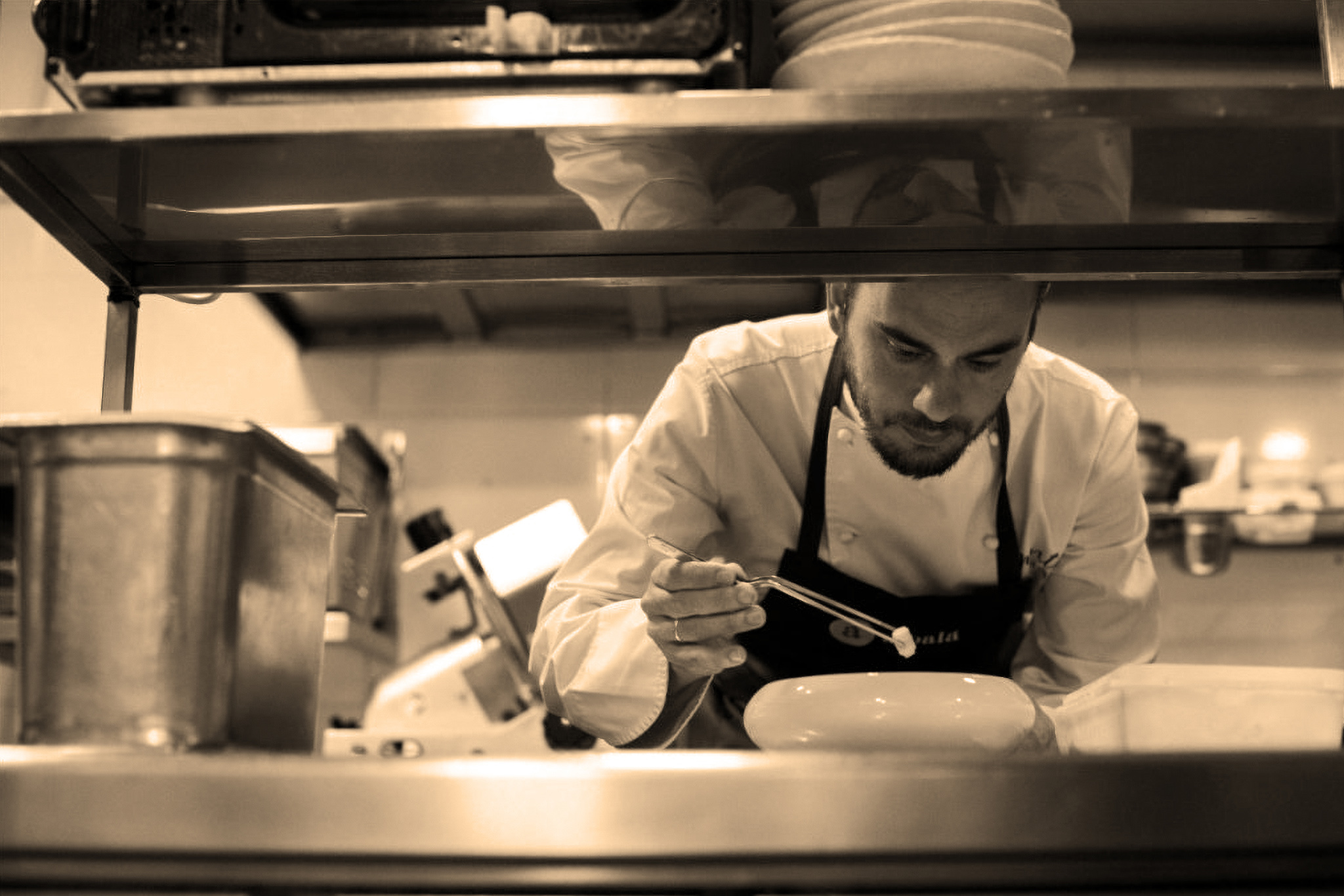
Jerez is home to more than a dozen Michelin-listed restaurants, two Michelin-starred establishments, and countless traditional tapas bars.
Here are a few places that capture the city’s flavor:
- Venta Estaban – A classic Jerez institution just outside the city center, known for its generous Andalusian dishes and traditional setting.
- A Mar – A Michelin-Guide listed restaurant in the old quarter, focused on seafood, with a menu centered around fresh fish and rice dishes.
- Albalá – A Michelin-Guide listed restaurant near the Royal Equestrian School, offering a more contemporary approach with tapas, stews, seafood, and meat.
- Mesón Asador – A traditional tapas bar tucked down an alley near the old center, known for its hearty, classic dishes.
- Las Banderillas – A lively, traditional bar with a strong local following and a menu rooted in everyday Jerez cooking.
The Spirit in the Glass
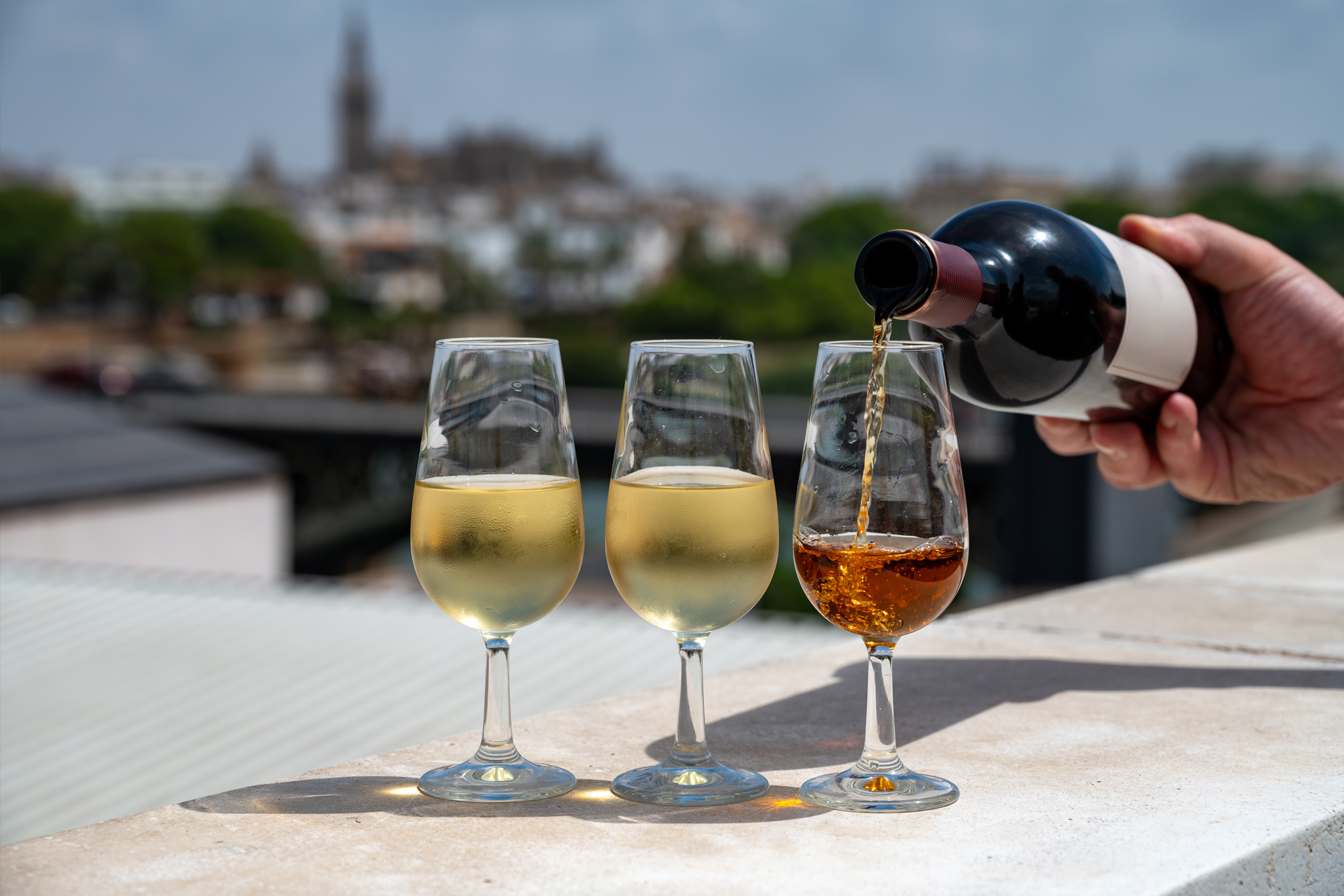
In Spain, Jerez is inseparable from sherry.
Sherry is more than a drink here; it’s part of daily life. From crisp, dry Fino enjoyed with tapas to rich Oloroso sipped slowly after a meal, each style reflects the character of the region.
Local bodegas, found throughout Jerez, are built for the long aging of sherry and remain central to the city’s identity. Many offer tastings and tours that provide a closer look at how it is made, including:
- Bodegas Tradición – Known for its extensive art collection and limited-production sherries, with smaller, more focused tastings.
- González Byass – One of the city’s most established producers, home to Tío Pepe, offering large-scale tours that trace the history of sherry-making.
- Bodegas Lustau – Known for its range of styles and more modern approach, with detailed tastings that explore the breadth of sherry.
The Dance of Horses
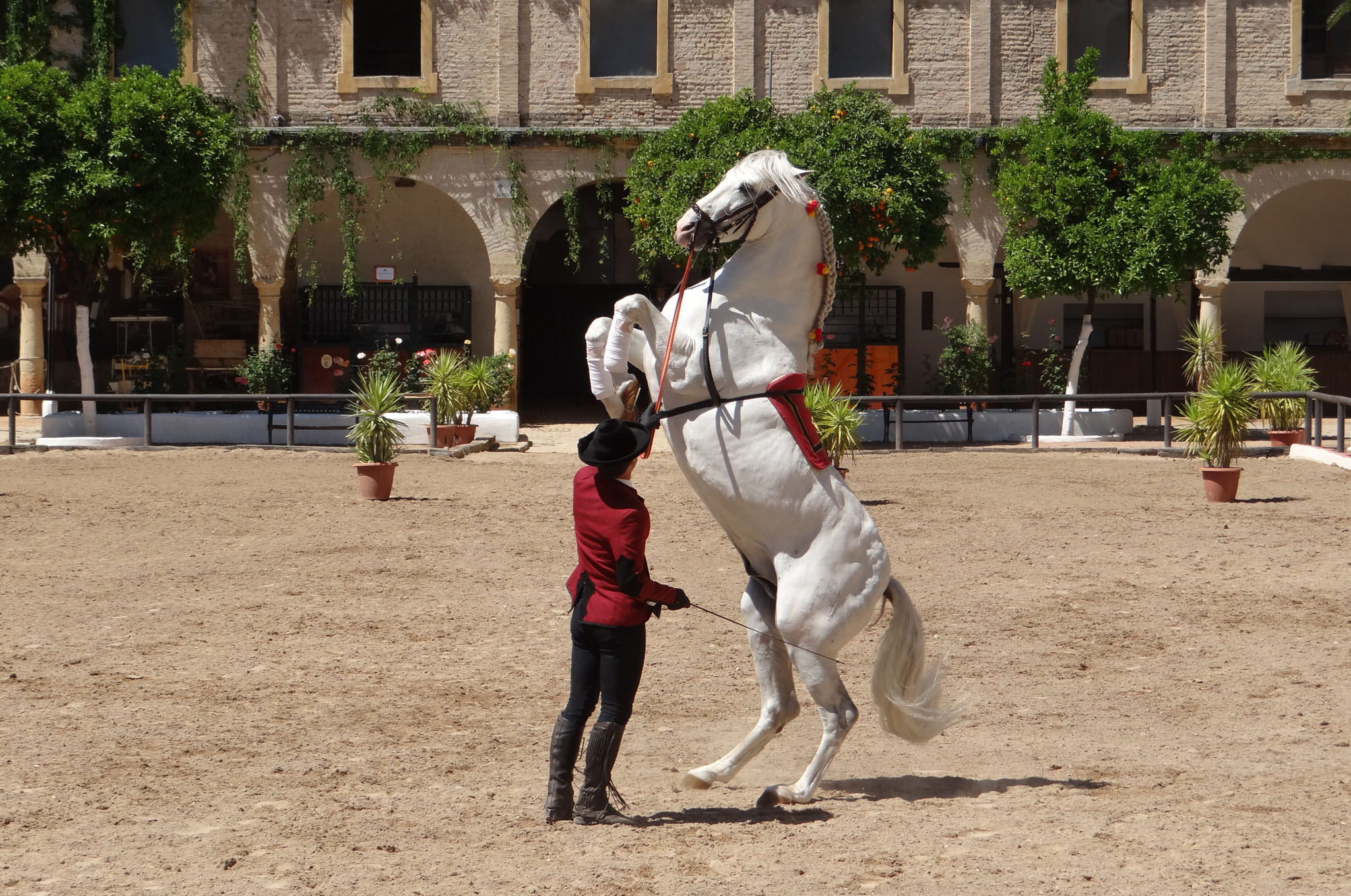
Long before Jerez became known for its wine, it was celebrated for its horses.
The city’s equestrian heritage predates Roman times and developed under Moorish rule, when the Andalusian horse was first bred in the plains surrounding the city. Centuries later, these bloodlines helped shape European breeds, establishing Jerez as a center of classical horsemanship.
That legacy continues at the Royal Andalusian School of Equestrian Art, a formal institution dedicated to preserving and presenting the traditions of classical horsemanship.
You don’t have to be a horse enthusiast to appreciate this aspect of Jerez; being around it makes clear how deeply it runs through the city. You can experience it firsthand through:
- See “How the Andalusian Horses Dance” at the Royal Andalusian School of Equestrian Art. Performances are held on Tuesdays and Thursdays. After the show, explore the grounds, museum, and stables.
- Take a tour of the city by horse-drawn carriage. Easily found in the historic center, they offer a unique way to move through Jerez’s streets and plazas.
The Heartbeat of Flamenco
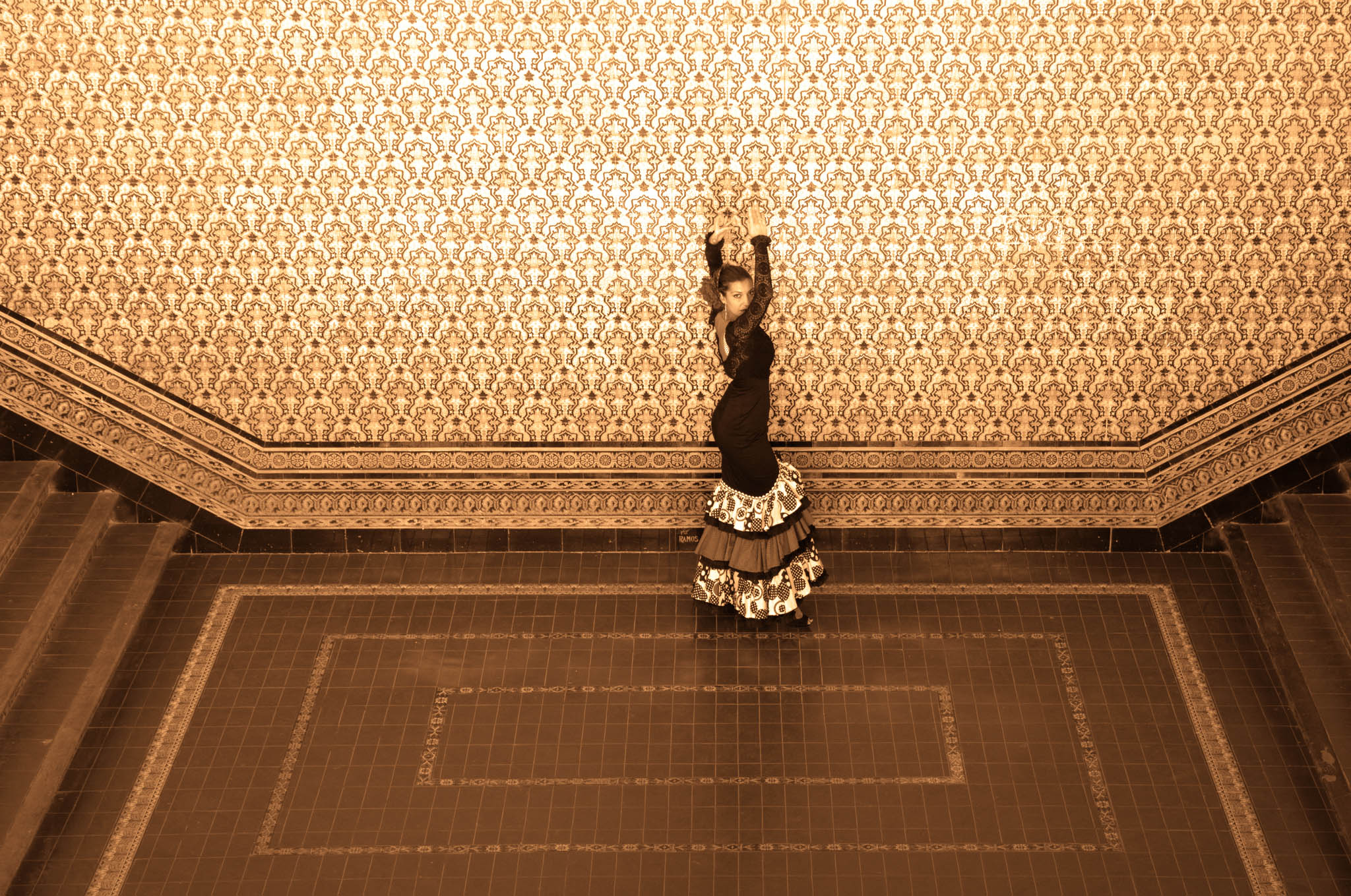
It’s often said that flamenco was born in Andalusia, though exactly where sparks debate.
Many point to Jerez de la Frontera, while others claim Seville, two cities whose streets still echo with its rhythm. What’s certain is that flamenco here is more than performance; it’s part of the city’s identity.
Flamenco is as much felt as it is seen, a conversation between voice, guitar, and dance. Rooted in centuries of cultural exchange among Andalusian, Moorish, Jewish, and Roma communities, it evolved into an art form defined by passion and presence. Every gesture, every note, every step is created in the moment, a spontaneous dialogue between the performers that gives flamenco its unmistakable energy and soul.
In Jerez, flamenco remains ever-present, carried through generations and still evolving today. You can experience flamenco at:
- Tabanco El Pasaje – A long-standing spot where sherry and flamenco come together, with live shows held daily.
- Peña Tío José de Paula – One of the city’s most respected peñas, known for traditional performances.
- Centro Andaluz de Flamenco – Housed in the 18th-century Palacio de Pemartín, preserving flamenco through archives, exhibits, and occasional performances.
A City of Celebration
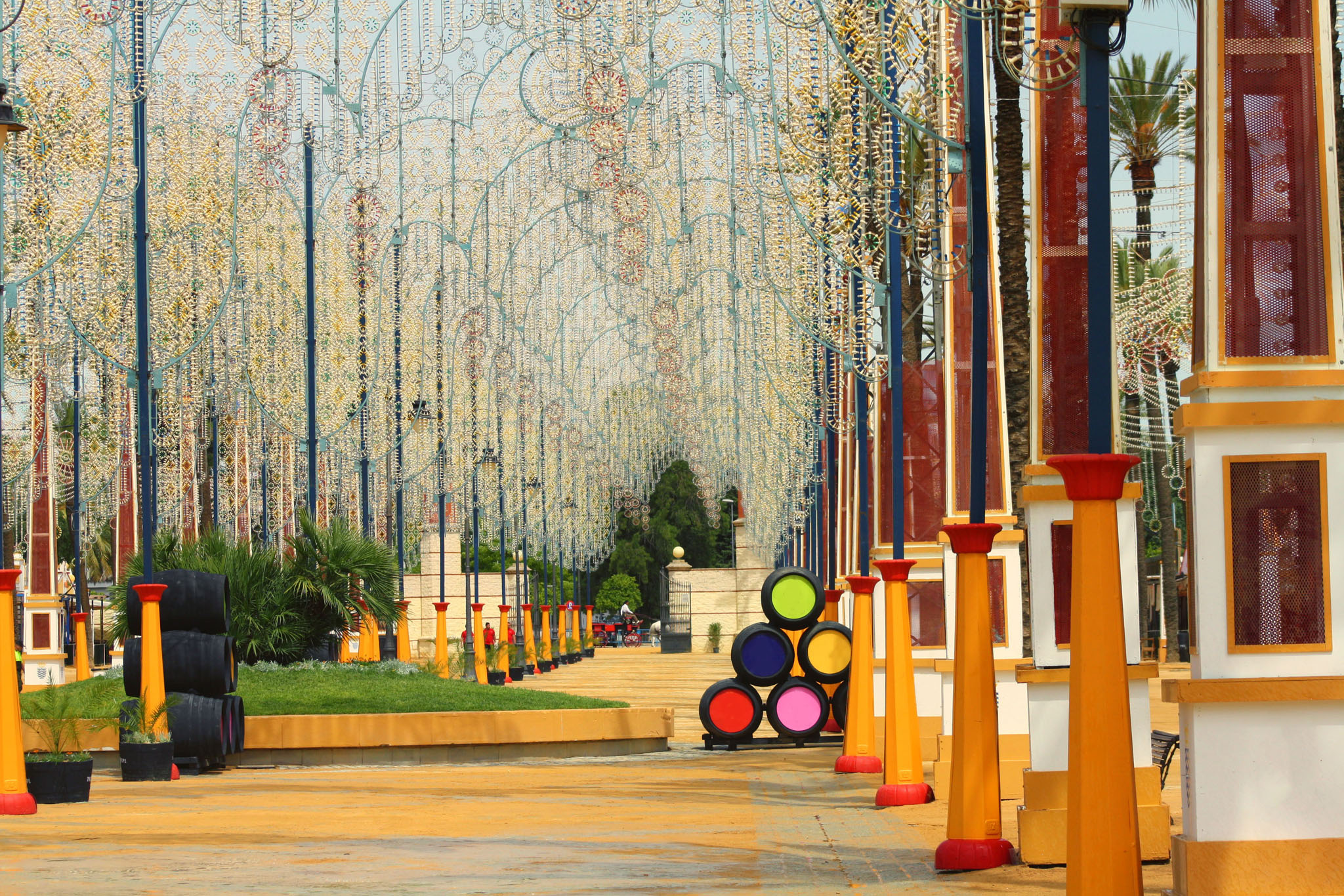
In Jerez, celebration is a way of life.
The city’s calendar is shaped by annual events rooted in cultural tradition, moments when people gather to mark heritage, harvest, and community. From solemn processions to week-long fairs, these celebrations return each year with a strong sense of continuity. Between them, smaller festivals, neighborhood gatherings, and seasonal traditions fill the streets with music and activity, making celebration a constant presence rather than something tied to a single season.
The events that shape Jerez include:
- Semana Santa (March or April – Palm Sunday to Easter Sunday) – A week of candlelit processions, music, and centuries-old traditions.
- Feria del Caballo (May) – A major celebration of Andalusian horses, sherry, and flamenco, drawing visitors from around Spain and beyond.
- Fiestas de la Vendimia (September) – The harvest season festival, with open-air tastings, parades, and local traditions.
- Zambombas (December) – Originally from Jerez, these street gatherings blend flamenco and Christmas songs, bringing people together throughout the holiday season.
- Cabalgata de Reyes Magos (January 5) – The traditional Three Kings Parade, with floats, music, and celebrations across the city.
The Everyday Rhythm
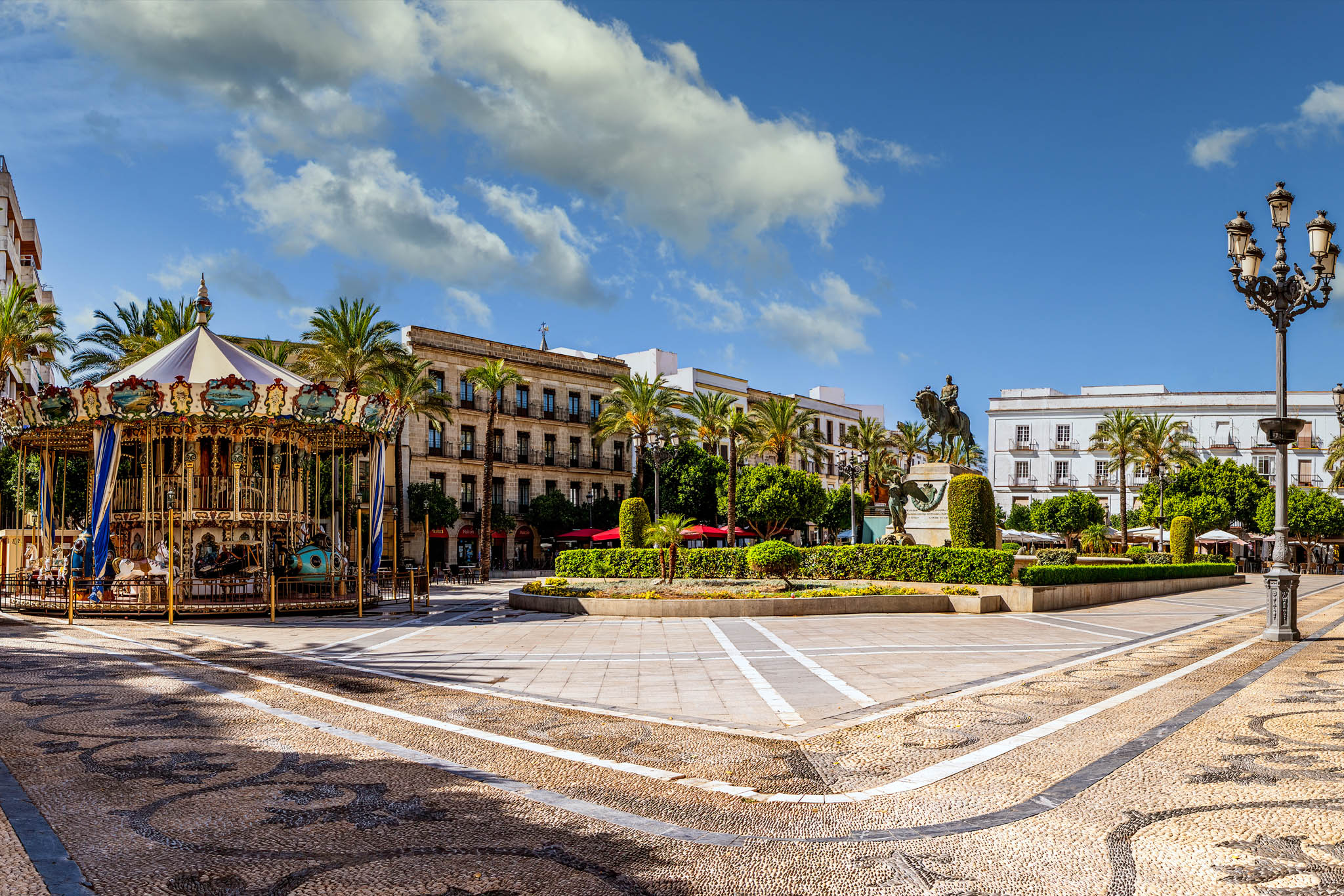
The beauty of life lived slowly and well.
Beyond its festivals and traditions, Jerez’s true charm lies in its everyday rhythm, the gentle cadence of a city that knows how to savor life. Here, time seems to expand. Days are marked less by schedules and more by simple moments: morning coffee in the plaza, a long lunch shared with friends, strolling through orange-tree-lined streets, a glass of sherry enjoyed slowly. In Jerez, life isn’t about chasing moments, it’s about inhabiting them fully.